
Malibu Wildfire Erupts as California Red Flag Warnings Raise Fire Risk

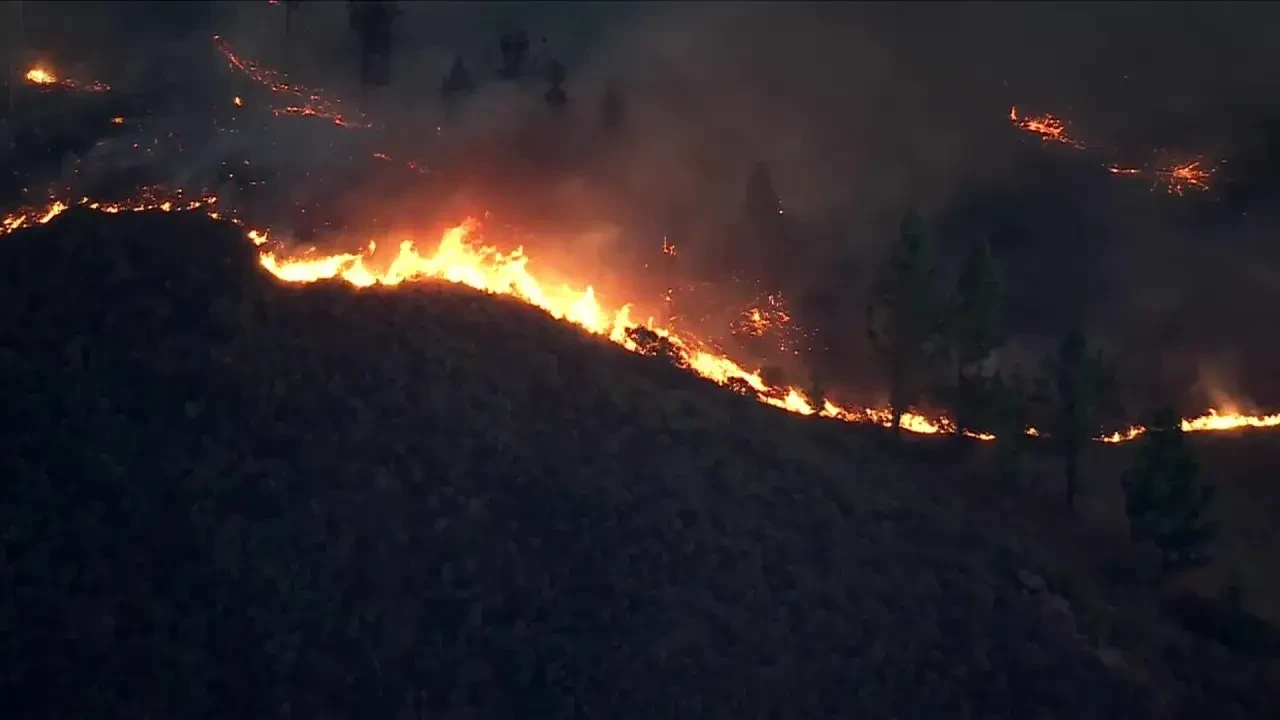
Malibu Wildfire Spreads as Red Flag Warning Remains in Effect
A brush fire erupted in Malibu, California, on Thursday, October 15, as a combination of high temperatures, low humidity and strong Santa Ana winds increased the threat of wildfires across Southern California.
The fire, identified as the Bryson Fire, broke out near Mulholland Highway and Encinal Canyon Road in the Santa Monica Mountains. Initial reports described a blaze covering approximately two acres, but subsequent reports said it had expanded to around 200 acres, prompting evacuation orders and warnings in nearby areas.
Firefighters responded with ground crews and aerial resources as authorities worked to contain the flames and protect nearby communities. The rapidly changing conditions raised concerns about the potential for the fire to spread towards structures and other vulnerable areas.
The incident unfolded as the National Weather Service maintained Red Flag Warnings across parts of Los Angeles and Ventura counties. These warnings indicate critical fire-weather conditions in which a new or existing fire can spread rapidly.
Santa Ana Winds and Extreme Heat Increase Wildfire Risk
The Malibu fire developed during a dangerous weather pattern affecting much of Southern California.
Santa Ana winds — dry winds that blow from inland areas towards the coast — can carry embers over long distances and accelerate the spread of brush fires. When these winds combine with dry vegetation, low humidity and hot temperatures, even a small ignition can quickly become difficult to control.
Forecasts ahead of the fire-weather event warned of wind gusts reaching 40–60 mph in some areas, with isolated gusts potentially reaching 70 mph in mountainous locations. Temperatures along parts of the coast were also expected to climb into the upper 80s and 90s Fahrenheit.
The National Weather Service warned that humidity levels could fall to around 5%–15% in affected locations, leaving vegetation highly susceptible to ignition.
These conditions created a wider wildfire threat beyond Malibu, placing communities across the Los Angeles region on alert.
Evacuation Warnings and Emergency Response in Malibu
As the Bryson Fire expanded, officials issued evacuation warnings and orders for areas considered vulnerable to the advancing flames. Residents were urged to monitor official alerts, prepare to leave if instructed and avoid travelling towards the fire area.
Authorities also warned that strong winds could make firefighting operations more difficult by changing the direction and speed of the flames.
Road restrictions and traffic disruptions were additional concerns during the high-risk weather period. Emergency services urged the public to follow instructions from local authorities and avoid activities that could create sparks.
Wildfire conditions can change rapidly, meaning areas outside an initial evacuation zone may also become threatened if winds shift or the fire spreads. Residents in fire-prone neighbourhoods were advised to keep essential items ready and remain informed through official emergency channels.
California Power Shutoffs as Utilities Try to Prevent More Fires
The wildfire threat extended beyond Malibu, with utilities preparing or implementing Public Safety Power Shutoffs (PSPS) in parts of California.
These precautionary outages are designed to reduce the possibility that electrical equipment, such as power lines, could ignite fires during periods of strong winds and dry conditions.
Reports indicated that Pacific Gas and Electric (PG&E) had cut power to tens of thousands of customers across multiple counties in Northern California as part of its wildfire-prevention measures. Southern California Edison also warned of potential shutoffs in areas including Malibu.
Although power outages can disrupt daily life, utilities use them as a risk-reduction measure when weather conditions make electrical infrastructure more hazardous. The decisions are generally based on forecasts, local vegetation and equipment conditions, and the potential consequences of a fire.
Residents were encouraged to charge mobile phones, keep flashlights available, secure backup power where possible and check utility updates for outage information.
California Wildfire Risk: What Residents Should Know
The combination of heat, low humidity and strong winds made preparedness especially important during the red flag period.
Residents in affected areas should:
- Monitor National Weather Service alerts and local emergency notifications.
- Follow evacuation orders immediately and prepare to leave when warnings are issued.
- Avoid outdoor activities that could produce sparks, including unsafe use of machinery or open flames.
- Keep phones charged and prepare for possible power outages.
- Avoid driving through smoke or into areas closed by emergency services.
People with respiratory conditions should also take precautions against smoke exposure, while everyone should limit strenuous outdoor activity if air quality deteriorates.
What Happens Next?
The immediate priority for firefighters is to contain the Bryson Fire, protect nearby homes and infrastructure, and prevent the flames from spreading under difficult wind conditions.
The broader wildfire threat will depend on how long the hot, dry and windy weather persists. Even if individual fires are brought under control, continued red flag conditions can leave the region vulnerable to new ignitions.
California regularly faces wildfire threats during periods of dry weather and strong winds. The latest incident reinforces the importance of early warnings, evacuation readiness, utility preparedness and coordinated emergency response.
The Malibu wildfire erupted as California faced dangerous red flag conditions, with Santa Ana winds and extreme heat increasing the risk of rapid fire spread. Evacuation measures and precautionary power shutoffs highlight the challenges facing residents and emergency crews during periods of elevated wildfire danger.