
Indian Rupee Rises to 94.79 Against Dollar as RBI Steps In; Oil Prices Remain a Risk

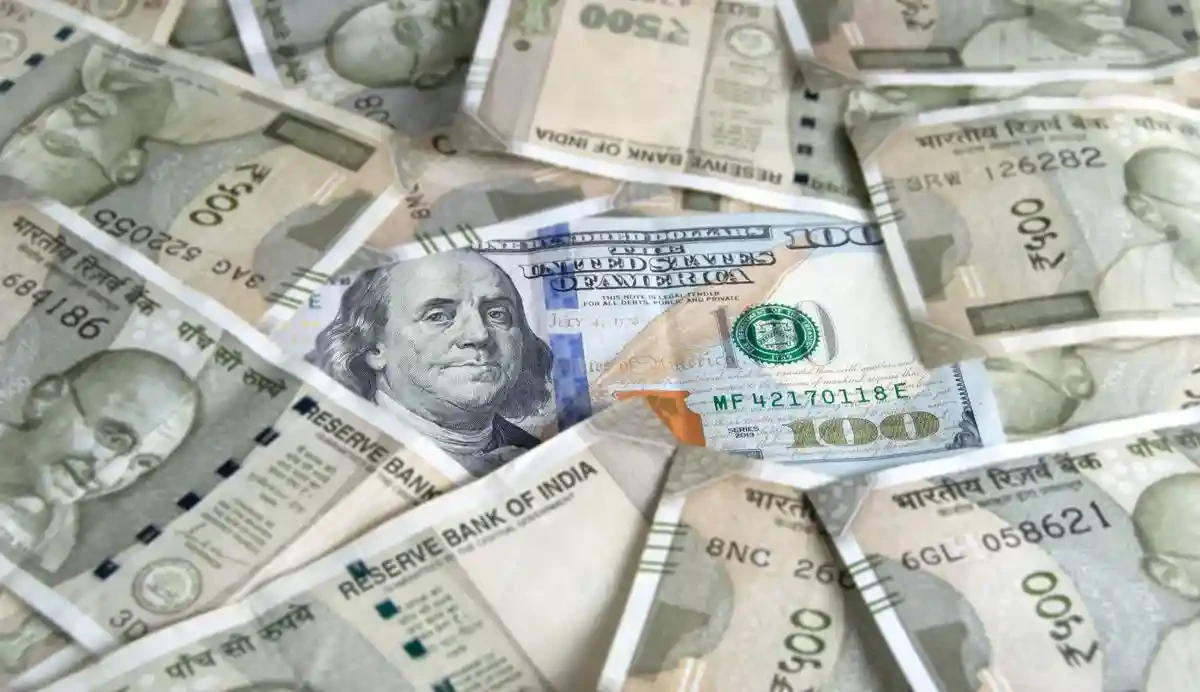
Indian Rupee Today: Currency Gains 20 Paise Against US Dollar
The Indian rupee gained 20 paise to trade at 94.79 against the US dollar in early trading on Friday, October 16, 2026, as support from the Reserve Bank of India (RBI) and weakness in the American currency helped the domestic currency recover.
The rise offered temporary relief after the rupee came under significant pressure in recent sessions, approaching the 97-per-dollar mark before recovering following a series of central bank measures.
According to market reports, the RBI's intervention has played an important role in stabilising the currency. The central bank has taken steps to manage dollar demand, discourage excessive speculative positions and reduce pressure on the domestic foreign exchange market.
However, currency market analysts caution that a short-term recovery does not necessarily indicate a lasting turnaround. India's dependence on imported crude oil, continuing foreign capital outflows and uncertainty surrounding the US-Iran conflict remain important risks for the rupee.
The currency's future performance will depend on whether RBI measures can contain volatility while broader economic conditions improve.
Why Is the Indian Rupee Recovering?
Several factors have supported the rupee's recent gains against the US dollar.
1. RBI Intervention Supports the Rupee
The Reserve Bank of India has stepped up efforts to stabilise the rupee after sustained selling pressure pushed the currency towards record lows.
One significant measure involved opening a special dollar supply window for major state-owned oil companies. This allows eligible oil companies to obtain dollars through the RBI rather than relying entirely on purchases in the regular foreign exchange market.
The move aims to reduce competition for dollars in the spot market, easing pressure on the rupee.
The RBI has also tightened rules governing certain foreign exchange derivative transactions. These measures are designed to discourage excessive speculative positions and manage risks associated with currency trading.
The central bank has indicated that it remains prepared to take additional steps if necessary. Nevertheless, intervention can help manage volatility without necessarily eliminating the underlying economic pressures affecting the currency.
2. A Weaker US Dollar Provides Additional Relief
The US dollar's performance is another important factor influencing the rupee.
When the dollar weakens against major currencies, emerging-market currencies can receive temporary support. Changes in US economic data, Treasury yields and expectations about Federal Reserve policy can influence international currency flows.
The rupee's gains on October 16 were supported by a softer dollar alongside RBI measures.
However, the impact of dollar weakness can be temporary. If US yields rise or global investors move towards safer assets, demand for the dollar could strengthen again, placing renewed pressure on the Indian currency.
Why Crude Oil Prices Remain the Biggest Concern
Despite the rupee's recovery, elevated crude oil prices remain one of India's most significant economic challenges.
India imports a large proportion of its crude oil requirements, meaning higher international oil prices increase the country's demand for dollars. Importers need foreign currency to pay for energy purchases, which can put downward pressure on the rupee.
Expensive crude oil can also increase transportation and manufacturing costs, raise inflationary pressures and widen the country's import bill.
Geopolitical tensions involving the United States and Iran have added uncertainty to energy markets, particularly because developments affecting oil supplies and shipping routes can trigger sudden price movements.
If crude oil prices remain elevated, the rupee could face renewed depreciation pressure even if the RBI continues intervening in the market.
Conversely, a sustained decline in oil prices could reduce India's import costs and provide more durable support to the currency.
Is the RBI's Rupee Rescue Over?
The latest recovery does not mean the RBI's efforts to stabilise the rupee are complete.
In its October 15 report, NDTV outlined several additional measures that policymakers could consider if pressure on the currency persists. These include further interest-rate increases, adjustments to the Marginal Standing Facility (MSF) rate, changes to foreign exchange regulations and measures intended to improve capital inflows.
The RBI has already raised its policy interest rate, signalling greater concern about inflation and currency pressures. Higher interest rates can make rupee-denominated assets more attractive and potentially support the currency, although they may also increase borrowing costs for businesses and consumers.
Another option would be to allow greater exchange-rate flexibility, enabling the rupee to adjust gradually to changing global conditions rather than relying exclusively on intervention.
However, additional measures involve trade-offs. Aggressive monetary tightening could weigh on economic growth, while prolonged foreign exchange intervention could reduce the country's reserves.
The challenge for policymakers is to maintain currency stability without creating unnecessary disruption to domestic economic activity.
Foreign Investment Outflows Add to Currency Pressure
Foreign investment flows are another key factor affecting the rupee.
When overseas investors sell Indian equities or debt and convert the proceeds into dollars, demand for foreign currency increases. This can weaken the rupee, particularly when capital inflows are insufficient to offset the outflows.
A weaker rupee can also make imported goods and overseas expenses more expensive for Indian businesses and households.
Investors will therefore watch foreign institutional investor activity, India's trade balance, foreign exchange reserves and movements in US interest rates for clues about the currency's direction.
While RBI intervention can smooth short-term market movements, sustained stability will depend on a broader improvement in India's external financial position.
What Lies Ahead for the Indian Rupee?
The rupee's rise to 94.79 against the dollar marks a recovery from recent weakness, but the outlook remains uncertain.
In the near term, the currency is likely to respond to RBI intervention, dollar movements, crude oil prices and geopolitical developments. Any sustained improvement in foreign investment flows could provide additional support.
At the same time, persistently high oil prices, a stronger US dollar or renewed capital outflows could reverse the recent gains.
For businesses, importers, exporters and individuals making international payments, currency volatility remains an important consideration.
The Indian rupee gained 20 paise on October 16 as RBI support and a weaker dollar helped ease pressure. However, the long-term outlook will depend on crude oil prices, capital flows and whether central bank measures can address the underlying causes of the rupee's weakness.