
IMF Sounds Alarm on AI Boom: Young Workers Face Job Risks as Global Markets Brace for Turmoil

IMF Warns AI Could Disrupt Career Opportunities for Young Workers
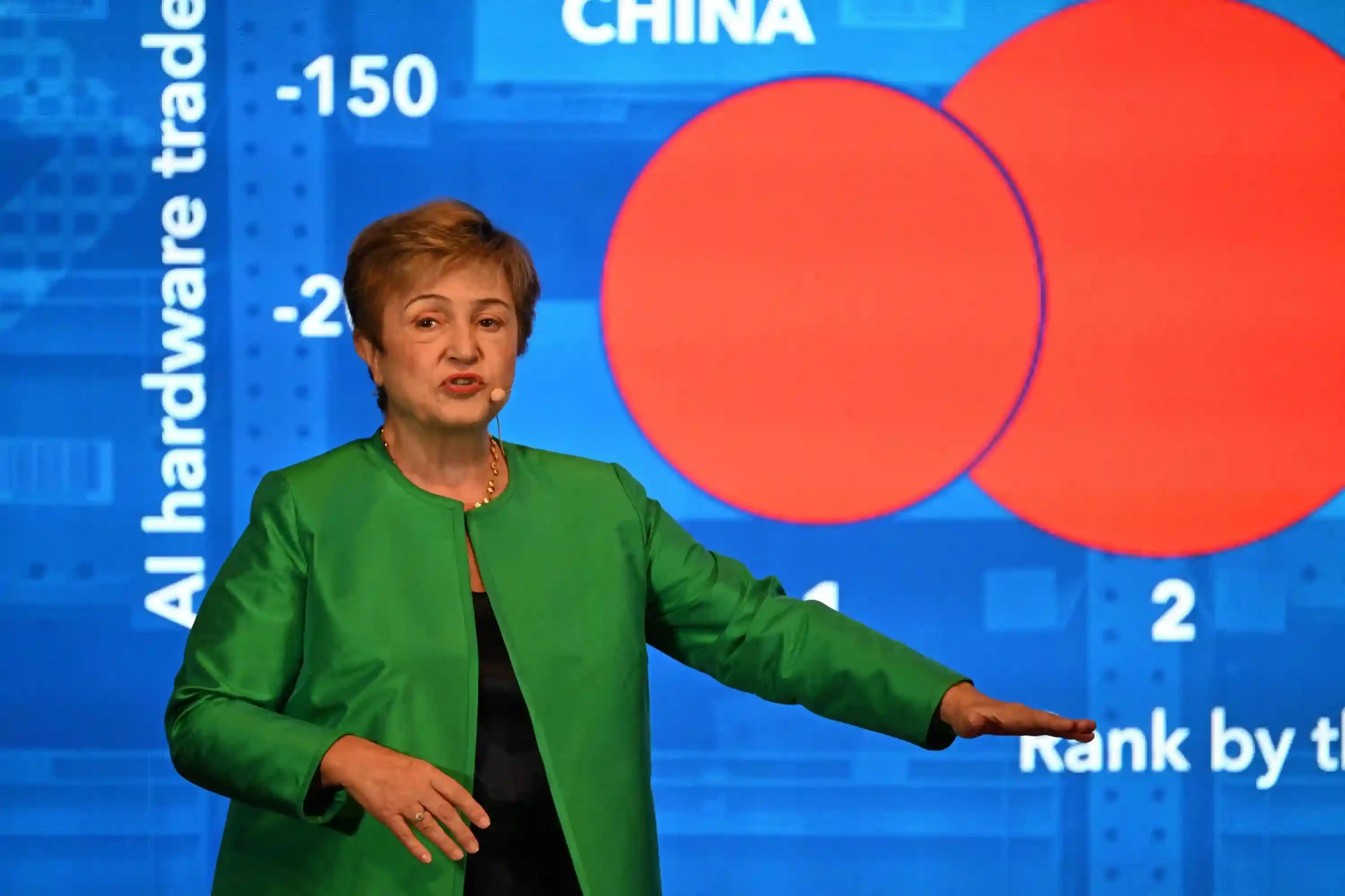
The rapid expansion of artificial intelligence is creating new opportunities for businesses, but it could also reshape the global job market and make it harder for young professionals to begin their careers. International Monetary Fund Managing Director Kristalina Georgieva has warned that AI-driven automation could eliminate some entry-level positions that traditionally help graduates gain experience and progress into senior roles.
Entry-level jobs often provide essential workplace training, practical experience and opportunities to develop professional skills. However, as companies increasingly use AI tools to perform routine administrative tasks, basic research, coding and content production, employers may reduce hiring for certain junior positions.
The IMF estimates that AI could affect approximately 40% of jobs worldwide, with the share rising to around 60% in advanced economies. The impact will vary across occupations, with some roles becoming more productive, others undergoing significant changes and some facing displacement.
For young jobseekers, the challenge is not simply competition with AI. It is also the possibility that fewer traditional entry-level opportunities could make it more difficult to acquire the experience needed to advance in the workplace.
AI Investment Boom Raises Concerns About Global Financial Stability
Alongside its concerns about employment, the IMF has warned that the rapid expansion of AI investment could create vulnerabilities in global financial markets.
Technology companies are investing heavily in data centres, advanced chips, cloud infrastructure and AI development. These investments have supported business activity and boosted investor interest in technology stocks. However, the Fund cautions that expectations surrounding future AI profits may be too optimistic.
If AI adoption or profitability falls short of expectations, investors could reassess company valuations, potentially triggering a sharp decline in technology shares. Such a correction could spread beyond the technology sector, affecting investment, business confidence and broader financial conditions.
The growing use of borrowing to finance AI infrastructure could amplify the risks. Companies and investors with substantial debt exposure may face greater pressure during a market downturn, potentially leading to forced asset sales and increased volatility.
Rising Government Debt and Cyberattacks Add to Market Risks
The IMF has identified rising government bond yields and major cyberattacks as additional threats to financial stability. Higher energy prices can fuel inflation, potentially forcing central banks to maintain tighter monetary policies or raise interest rates.
Higher borrowing costs could place additional pressure on governments already carrying substantial public debt, while businesses and households could face more expensive financing.
Cybersecurity is another growing concern as banks, investment firms and financial markets become increasingly dependent on digital infrastructure and third-party technology providers. A major cyberattack affecting a financial institution or critical service could disrupt operations and undermine market confidence.
These risks could become more serious if they occur simultaneously with an AI-related market correction or a sudden increase in borrowing costs.
Businesses and Workers Must Prepare for an AI-Driven Economy
The IMF's warnings highlight the need for businesses, governments and workers to prepare for an economy increasingly shaped by artificial intelligence. Companies may need to redesign entry-level roles, strengthen employee training and create new opportunities for workers to develop practical AI skills.
For young professionals, building AI literacy, critical thinking, communication and problem-solving abilities could improve their ability to adapt to changing workplace demands. Governments and educational institutions may also need to modernise training programmes to bridge the gap between education and industry requirements.
For investors and policymakers, the priority is to balance the economic benefits of AI innovation with stronger financial safeguards, responsible borrowing and effective cybersecurity.
The AI revolution could deliver substantial productivity gains, but its long-term success will depend on whether its benefits translate into sustainable growth, secure employment opportunities and a more resilient global financial system.