
Delhi Court Releases CJP Leaders After Jantar Mantar Protest Undertaking

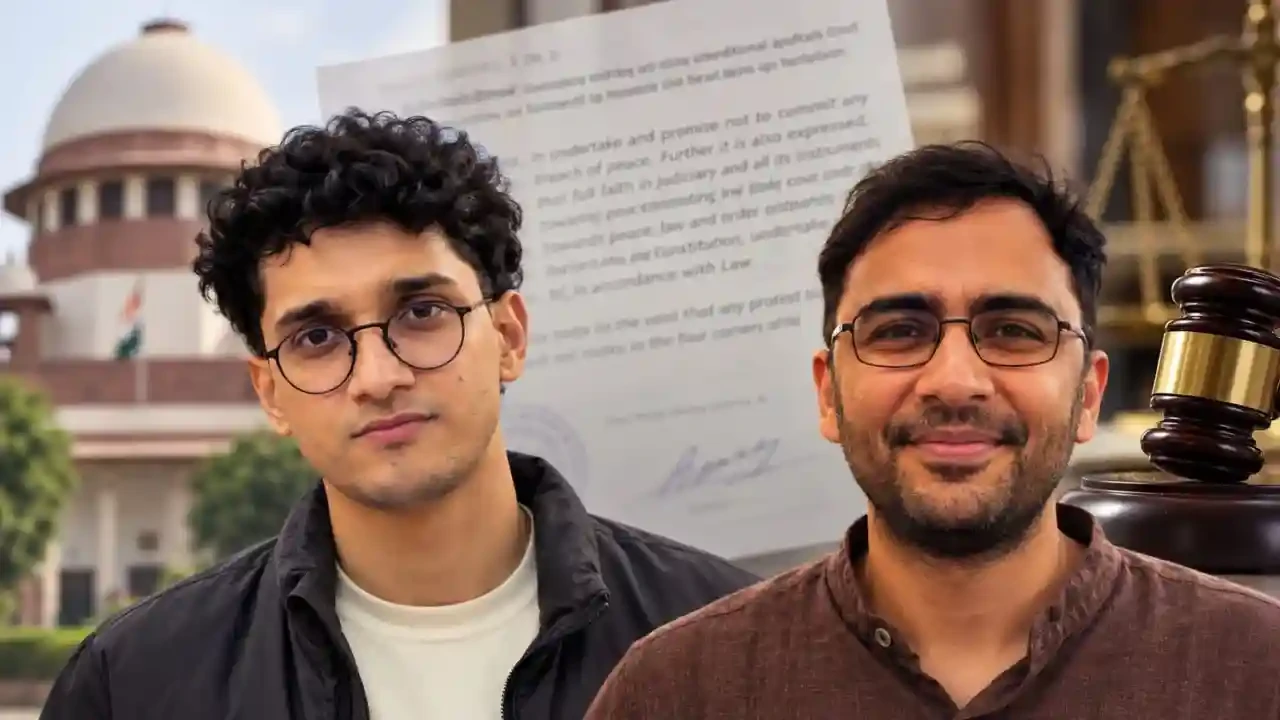
Delhi Court Releases CJP Leaders After Week in Custody Over Jantar Mantar Protest
Cockroach Janta Party (CJP) leaders Saurav Das and Ashutosh Ranka were released from judicial custody on October 21, 2026, after giving written undertakings before a Special Executive Magistrate in Delhi. The leaders agreed not to call for protests at Jantar Mantar for as long as the site remains legally de-notified as a designated protest venue.
The decision came after a week of custody linked to a protest over the status of Jantar Mantar and demands concerning Chief Election Commissioner Gyanesh Kumar. The court ordered their release after directing both leaders to furnish personal bonds and surety bonds of ₹50,000 each. The preventive inquiry against them will continue.
Court Accepts Written Undertakings on Peace and Public Order
Special Executive Magistrate Ritu Raj ordered the release of Das and Ranka after considering their written assurances and the submissions made by both sides. The Delhi Police had sought a further three-day extension of their judicial custody, citing concerns about a possible breach of peace and disruption of public order.
In their undertakings, the two leaders promised to maintain peace, respect the judicial process and refrain from calling for demonstrations at Jantar Mantar while it remains de-notified in accordance with law. They also stated that any future protests they undertake would remain within the constitutional framework.
The magistrate concluded that continued custody was not necessary at that stage, as the immediate preventive measures could be secured through bonds and the leaders’ written commitments.
The court directed both individuals to appear at every scheduled hearing and comply with the conditions imposed. Their personal and surety bonds will remain in force until the conclusion of the inquiry.
The next hearing is scheduled for October 23, 2026, at 3 p.m.
Why Were Saurav Das and Ashutosh Ranka Arrested?
The case stems from events at Jantar Mantar on October 13, when the two CJP leaders and other members allegedly entered the barricaded protest area by climbing over a locked gate. The group unfurled the national flag and raised slogans as part of a demonstration against the site's de-notification.
The protest was connected to demands for the resignation of Chief Election Commissioner Gyanesh Kumar, with the party raising allegations of irregularities in the Special Intensive Revision (SIR) of electoral rolls.
The Election Commission and the protesters have been at the centre of a wider public debate about voter-list revisions and electoral processes. Allegations raised by political groups remain distinct from any findings established through official investigations or judicial proceedings.
Das and Ranka had previously been subjected to preventive proceedings and had furnished assurances relating to public peace. Authorities subsequently alleged that their actions at Jantar Mantar breached those commitments.
They were placed in judicial custody on October 14 for five days. On October 19, the Special Executive Magistrate extended their custody by a further two days after considering police submissions about the risk of renewed protests and possible disturbances.
Delhi High Court Proceedings and the Custody Challenge
Before their release, the two leaders approached the Delhi High Court to challenge the extension of their custody. During the October 21 hearing, Justice Subramonium Prasad questioned whether the petitioners should pursue an alternative legal remedy available under the applicable procedure.
The leaders subsequently withdrew their petition. The High Court permitted the withdrawal without deciding the substantive merits of their challenge, leaving the question of the legality of the custody order unresolved through that proceeding.
The court also discussed the circumstances surrounding the alleged breach of earlier peace bonds and the potential consequences of demonstrations conducted in violation of restrictions. Its observations formed part of the hearing and did not amount to a final determination of the allegations.
The legal dispute highlights the distinction between challenging a restriction or detention order and obtaining permission to hold a public demonstration at a particular location.
Jantar Mantar's De-Notification and the Right to Protest
Jantar Mantar in New Delhi has long been associated with public demonstrations, political gatherings and civic campaigns. Its status as a designated protest venue has therefore become a significant issue in the current dispute.
The CJP leaders' undertaking specifically links their commitment not to call for demonstrations there to the site's continued de-notification in accordance with law. Their statement also recognises that any protest they organise must be conducted within constitutional limits.
The broader legal question involves balancing the right to peaceful assembly with restrictions intended to protect public order and safety. While peaceful protest is a constitutional right in India, its exercise remains subject to lawful and reasonable restrictions. Authorities may regulate demonstrations, including their location and manner, under applicable legal provisions.
The dispute over Jantar Mantar's status remains separate from the preventive proceedings against the two leaders. The release order does not, by itself, restore the site’s previous designation or resolve the wider challenge concerning its de-notification.
What Happens Next?
Although Das and Ranka have been released, the case is not over. Both must comply with their undertakings, maintain peace, provide the required bonds and appear before the Special Executive Magistrate as directed.
The inquiry will continue, with the next hearing scheduled for October 23. Further proceedings may clarify the status of the preventive action and the conditions imposed on the leaders.
The development marks a change in the immediate custody proceedings, rather than a final ruling on the allegations surrounding the protest. The dispute also keeps attention on the legal boundaries governing public demonstrations, preventive custody and access to designated protest sites in the national capital.
For now, the CJP leaders' release is conditional on their commitments to public peace and their undertaking not to call for protests at Jantar Mantar while its de-notified status remains in force under law.