
Collegium Recommends Three High Court Chief Justices for Elevation to the Supreme Court

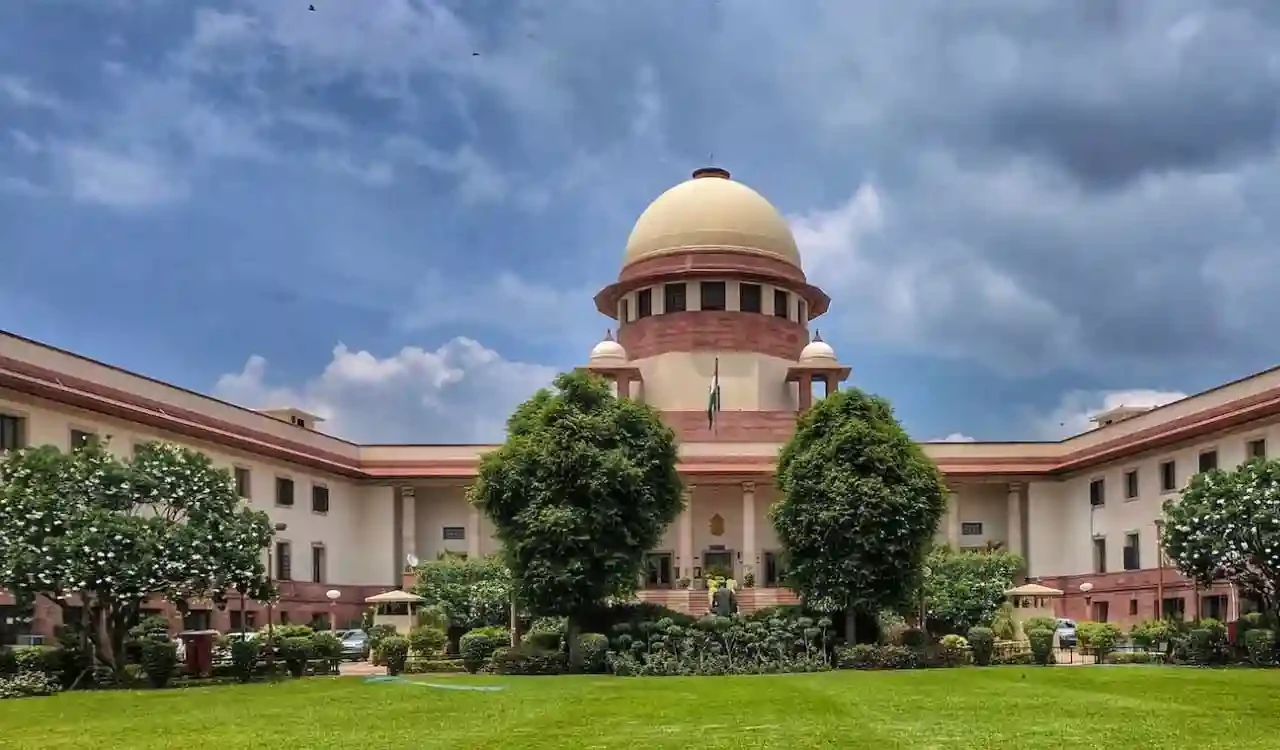
New Delhi, October 1, 2026: The Supreme Court Collegium has recommended three serving High Court Chief Justices for elevation as judges of the Supreme Court, according to a statement issued after its meeting on September 28, 2026.
Who Has Been Recommended
| Judge | Current post | Parent High Court |
|---|---|---|
| Justice Sunita Agarwal | Chief Justice, Gujarat High Court (since July 2023) | Allahabad |
| Justice Devendra Kumar Upadhyaya | Chief Justice, Delhi High Court (since January 2025) | Allahabad |
| Justice Aparesh Kumar Singh | Chief Justice, Telangana High Court (since July 2025) | Jharkhand |
Backgrounds
- Justice Sunita Agarwal enrolled as an advocate in 1990 and was elevated to the Allahabad High Court in November 2011. If appointed, she would have close to five years on the Supreme Court before reaching the retirement age of 65.
- Justice Devendra Kumar Upadhyaya enrolled in 1991, was elevated to the Allahabad High Court in November 2011 and served as Chief Justice of the Bombay High Court from July 2023 before moving to Delhi. He earlier served as Uttar Pradesh's Chief Standing Counsel.
- Justice Aparesh Kumar Singh was elevated to the Jharkhand High Court in 2012 after practising before the Patna and Jharkhand High Courts, and later served as Chief Justice of the Tripura High Court.
Why It Matters
The Supreme Court has a sanctioned strength of 38 judges and, according to ANI, currently has 34. The three appointments would take the court to 37, easing pressure on benches handling a heavy case load, including constitution bench matters.
The recommendation is also notable because two of the three Chief Justices come from the Allahabad High Court, India's largest High Court by sanctioned judge strength.
How the Process Works
Under India's collegium system, the Chief Justice of India and the senior-most Supreme Court judges recommend names. The Union government processes the recommendations, and appointments are made by the President through a warrant. The collegium statement did not specify when the appointments would be notified.
What Happens Next
The recommendations now go to the Union Ministry of Law and Justice. Once the government clears them, the President issues appointment warrants and the judges take oath in the Supreme Court.
FAQ
What is the retirement age for Supreme Court judges?
Supreme Court judges retire at 65. High Court judges retire at 62.
Can the government return a collegium recommendation?
The government can send a recommendation back for reconsideration once. If the collegium reiterates it, the appointment is expected to proceed.