•
•
•
•
•
•
•

How a Leningrad intelligence officer came to dominate Russian politics for more than a quarter century
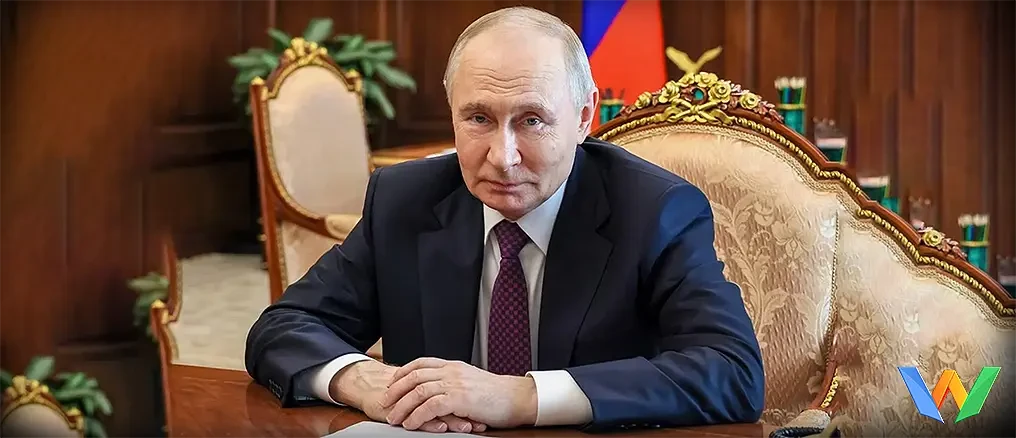
Vladimir Putin is the President of Russia and the dominant figure in Russian politics since the end of the 20th century. Alternating between the presidency and the post of prime minister, he has held power longer than any Russian or Soviet leader since Joseph Stalin. Supporters credit him with restoring stability and national pride after the chaotic 1990s; critics accuse him of dismantling democratic institutions, suppressing dissent and waging aggressive wars.
Putin was born on 7 October 1952 in Leningrad (now St Petersburg), into a working-class family that had lived through the Nazi siege of the city during World War II. He grew up in a communal apartment, took up judo and sambo as a teenager, and later became a black belt in judo.
Putin studied law at Leningrad State University, graduating in 1975, and immediately joined the KGB, the Soviet security service. From 1985 to 1990 he served in Dresden, East Germany, witnessing the fall of the Berlin Wall and the collapse of Soviet influence in Eastern Europe — events he later described as deeply formative.
| Year | Milestone |
|---|---|
| 1990s | Adviser and deputy mayor in St Petersburg under Anatoly Sobchak |
| 1996 | Moves to Moscow to work in the Kremlin administration |
| 1998 | Appointed director of the FSB (successor to the KGB) |
| Aug 1999 | Appointed Prime Minister by Boris Yeltsin |
| 31 Dec 1999 | Becomes acting President after Yeltsin resigns |
| 2000 | Wins first presidential election |
Putin's early years coincided with high oil prices that fuelled rapid economic growth and rising living standards. He reasserted central control over regions, brought major television networks under state influence, and confronted powerful oligarchs. He also led the Second Chechen War.
Barred by the constitution from a third consecutive term, Putin became Prime Minister under President Dmitry Medvedev while remaining the country's most powerful figure. The 2008 war with Georgia took place during this period.
Putin returned as President in 2012 amid large street protests in Moscow. Key events since then include:
The war in Ukraine has continued into its fifth year. US-mediated efforts to negotiate an end to the fighting have produced short ceasefires and prisoner exchanges but no lasting settlement, with the two sides divided over territory in eastern Ukraine. In September 2026, the Kremlin said it did not rule out new three-way talks with Ukraine and the United States. Putin also made a state visit to China in May 2026, underlining Moscow's close partnership with Beijing.
Human-rights groups and Western governments accuse Putin's government of jailing opponents, restricting independent media and civil society, and of responsibility for the deaths of critics, including opposition leader Alexei Navalny, who died in an Arctic prison in 2024. The Kremlin denies wrongdoing.
Putin married Lyudmila Shkrebneva in 1983; they announced their divorce in 2013. They have two daughters, Maria and Katerina. He keeps much of his private life out of public view.
He has led Russia as president or prime minister since 1999 — more than 25 years.
He was a KGB intelligence officer for about 16 years.
Constitutional amendments passed in 2020 allow him to seek two more six-year terms, potentially until 2036.
No. As of October 2026, the war continues, with intermittent negotiations but no peace agreement.
Vladimir Putin has shaped Russia's direction for a generation, centralising power and challenging the post-Cold War order in Europe. The outcome of the war in Ukraine and the eventual question of succession will determine how history judges his long rule.
