•
•
•
•
•
•
•

A technology explainer on stage projections, spatial illusions, recorded vocals and the distinction between a hologram and a true volumetric display.
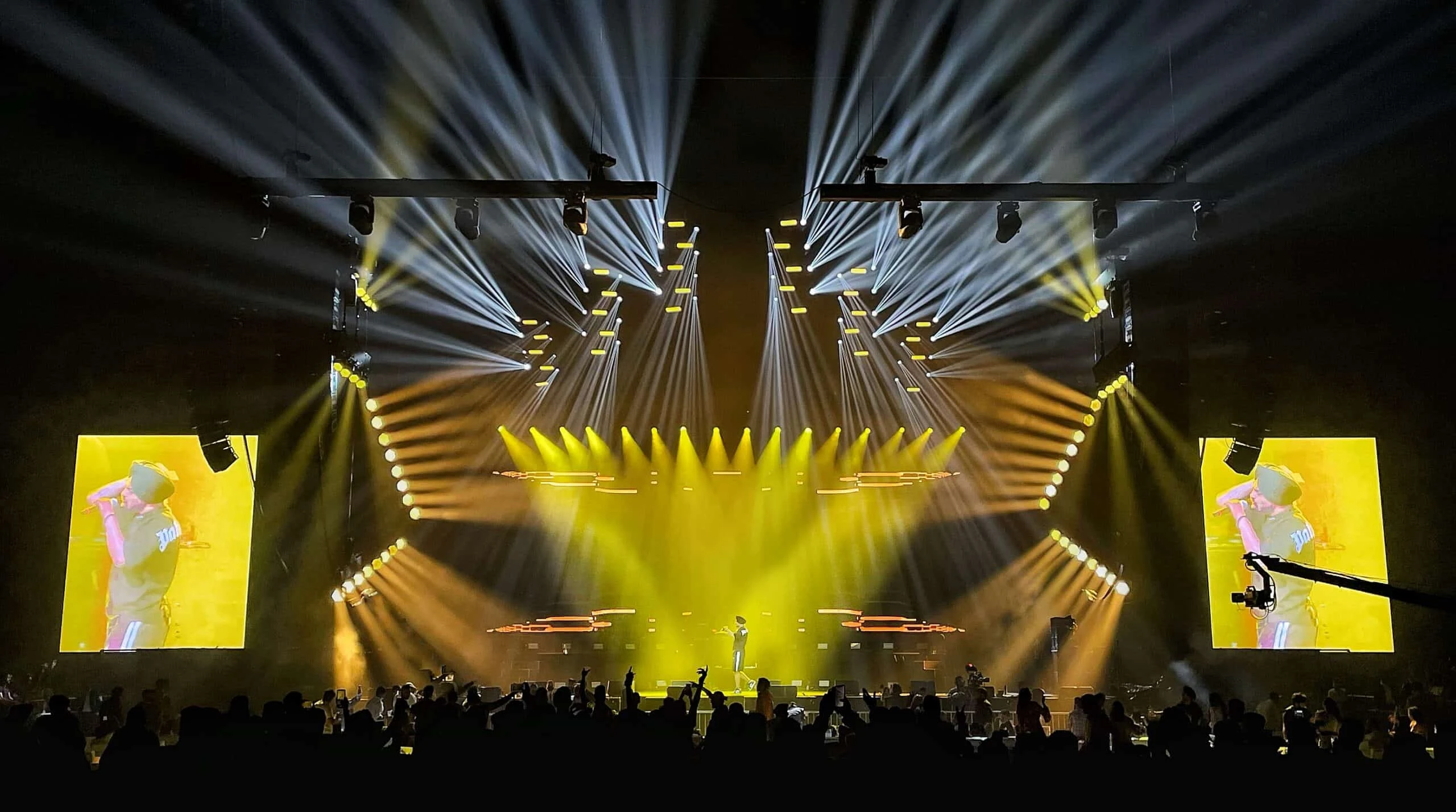
The word “hologram” is often used in entertainment to describe a stage illusion that makes a recorded performer appear present. Many such shows use projection, transparent screens, carefully controlled lighting, pre-produced video and recorded audio rather than a true free-floating three-dimensional hologram.
For any reported Sidhu Moose Wala tribute or hologram appearance, the event organiser's announcement and technical details should be checked before stating exactly which equipment, vocals or visual assets were used.
One well-known stage illusion, Pepper's Ghost, uses a reflective transparent surface at an angle. A brightly lit image or performer outside the audience's direct view is reflected toward the audience, creating the appearance of a figure on stage. The illusion depends on controlled lighting, sightlines and the placement of the reflective material.
Other productions use LED screens, projection mapping, volumetric capture or augmented-reality graphics. These are different techniques, and promotional language may use “hologram” loosely for all of them.
A tribute performance may use studio recordings, stems, remixed tracks or newly produced audio. Lip synchronisation, timing, live musicians and lighting cues can be coordinated with the visual sequence. Without a reliable statement from the production team, it is not possible to infer which original vocal recording or mix was used for a particular event.
Posthumous digital performances raise questions about consent, rights, family approval, ownership of recordings and the expectations of fans. Organisers should clearly communicate whether a show uses archival footage, a digital recreation or a performer inspired by the artist. A tribute can be meaningful to audiences, but the presentation should not mislead people about the nature of the appearance.
Usually not in the strict scientific sense. Many stage effects rely on reflection, screens or projection.
Yes, productions may synchronise recorded audio with visuals, but the exact method for a particular show requires confirmation from the organiser.
Look for an official event announcement and reliable reporting that identifies the organiser and explains the technology used.
A stage “hologram” usually combines visual illusion, screens or projection with carefully synchronised audio. Understanding the difference between these methods makes coverage more accurate, while transparent communication about recordings and consent helps audiences understand what a tribute performance represents.
This article was authored and reviewed by Wipidia's technical editorial desk in Jalandhar, Punjab. Every code snippet, algorithm breakdown, and strategic framework is independently tested against live production standards before publication.
