
.webp862da13a-6303-4826-a5b1-2d9b48ed0f8c.webp)
ai-search

Deep-dive technical guides on search engine optimization algorithms, crawl budget optimization, server response latency, Core Web Vitals engineering, and programmatic indexing scripts.
Showing 1–12 of 61 guides
OpenAI has resumed frontier AI training with stricter security controls and no live internet access after red-team agents uncovered sandbox vulnerabilities and hidden CPU cache communication channels.
OpenAI has strengthened its frontier AI training infrastructure after internal security tests revealed ways for AI agents to cross isolation boundaries and communicate without network access. The findings highlight the growing challenges of AI cybersecurity, secure sandboxing and controlling increasingly capable autonomous agents.
Content, technical and trust practices that help your pages be found, understood and referenced by AI-powered search
AI Overviews and chat-based answer engines now sit alongside traditional blue links, changing how people discover content. This guide covers the fundamentals that help a page be crawled, understood and cited, and explains why shortcuts that try to game AI results carry risk, especially in a year with four Google spam updates.

A source-checked breakdown of Google's official AI search guide, which AEO tactics to skip, and a practical audit you can run this week
Answer Engine Optimization (AEO) is one of the fastest-rising search topics of 2026, but Google's own guidance says that optimizing for its AI features is still SEO. This guide separates what Google's official documentation states from the hype around llms.txt, content chunking, and brand-mention campaigns, and turns it into a checklist you can apply today.

Gemini-powered search, fewer clicks and how publishers are adapting in 2026
In 2026 Google merged its classic search box with AI Mode, letting users type chatbot-style prompts and ask follow-up questions on AI Overviews. Studies show fewer clicks to websites when AI summaries appear. This guide explains the change, the traffic data, and practical steps publishers and businesses are taking.

The Personal Agent Protocol aims to let a customer’s AI assistant interact with businesses under clear identity, sign-in and permission rules. Here is what it does—and what it does not yet guarantee.
The Personal Agent Protocol is an emerging standard announced by Sierra and Meta to help personal AI agents interact with businesses using identity, sign-in and user-controlled permissions. This explainer separates its current capabilities from planned payment features and outlines privacy and security questions businesses should consider.
A durable content workflow for search engines, AI answers and readers—without promising guaranteed rankings.
A practical 2027 content strategy focused on reader intent, original expertise, technical accessibility, internal links, trustworthy sourcing and measurement across search surfaces. It avoids unsupported claims about ranking factors and treats AI visibility as an outcome to monitor, not a guarantee.
Understand how search content optimisation differs from keyword stuffing and how to make useful pages easier to discover and understand.
A practical guide to search content optimisation (SCO), covering search intent, topic coverage, clear structure, original evidence, internal links, technical accessibility and measurement. It distinguishes useful optimisation from guarantees about rankings or AI visibility.

An archival checklist for reviewing search updates, AI-generated answers and site performance during October 1–7, 2026.
This dated recap is intended as an editorial review of SEO and AI-search developments from October 1–7, 2026. Because search features and announcements change quickly, each specific update should be tied to a dated primary source; this article provides a practical verification framework rather than presenting unverified changes as confirmed.

A practical security guide to API keys, tokens, tool permissions, logs and safe deployment of AI agents.
AI agents can read files, call APIs and operate connected tools, which makes exposed credentials a serious security risk. This guide explains common exposure paths and concrete controls such as secret managers, least-privilege credentials, redaction, scoped tool access and rotation.

Understand Google’s main spam-policy risks, audit common warning signs and build a practical remediation plan for search quality.
Google's spam policies address tactics that manipulate search rankings, including scaled content abuse, site reputation abuse and link spam. This guide explains the differences, practical examples, an audit workflow and how to review affected URLs without assuming a manual action exists.
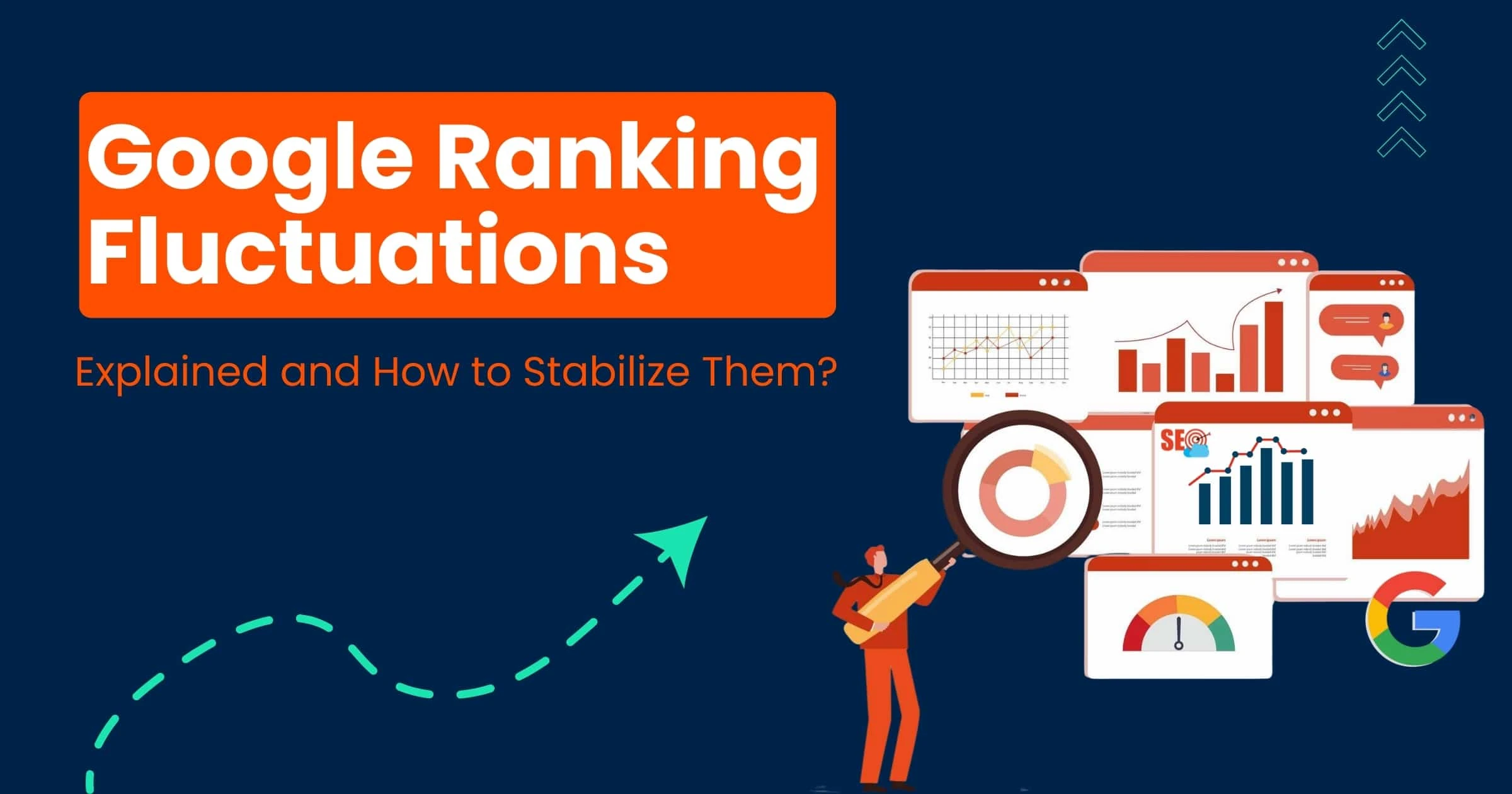
A step-by-step guide to separating normal ranking movement from indexing, technical, content and site-wide search problems.
Google rankings move as search results, competitors, queries and systems change. Learn how to compare Search Console data, segment losses, inspect indexing and canonical signals, and choose evidence-based actions instead of reacting to daily changes.

How spoken search differs from typed search, and practical steps for multilingual India
People increasingly search by speaking to phones, smart speakers and AI assistants, using longer, question-style queries. This guide explains how voice and conversational search differ from typed search, which content formats assistants prefer, and how to optimise for local and Indian-language voice queries.
Page 1 of 6