

technology

Rigorous analytical breakdowns of tech startup unit economics, Indian digital public infrastructure, electric vehicle technology logistics, and enterprise technology regulations.
Showing 13–24 of 157 guides
India's SIM binding rule for WhatsApp, Telegram and other messaging apps is expected to take effect from January 1, 2027. Learn how it works, who may be affected and how to prepare.
India's Department of Telecommunications is requiring covered messaging platforms to link accounts to the active SIM associated with their registered mobile number. With the compliance deadline set for December 31, 2026, users who run messaging apps without their registered SIM may face access issues. The measure aims to reduce cyber fraud, impersonation and misuse of Indian mobile numbers.
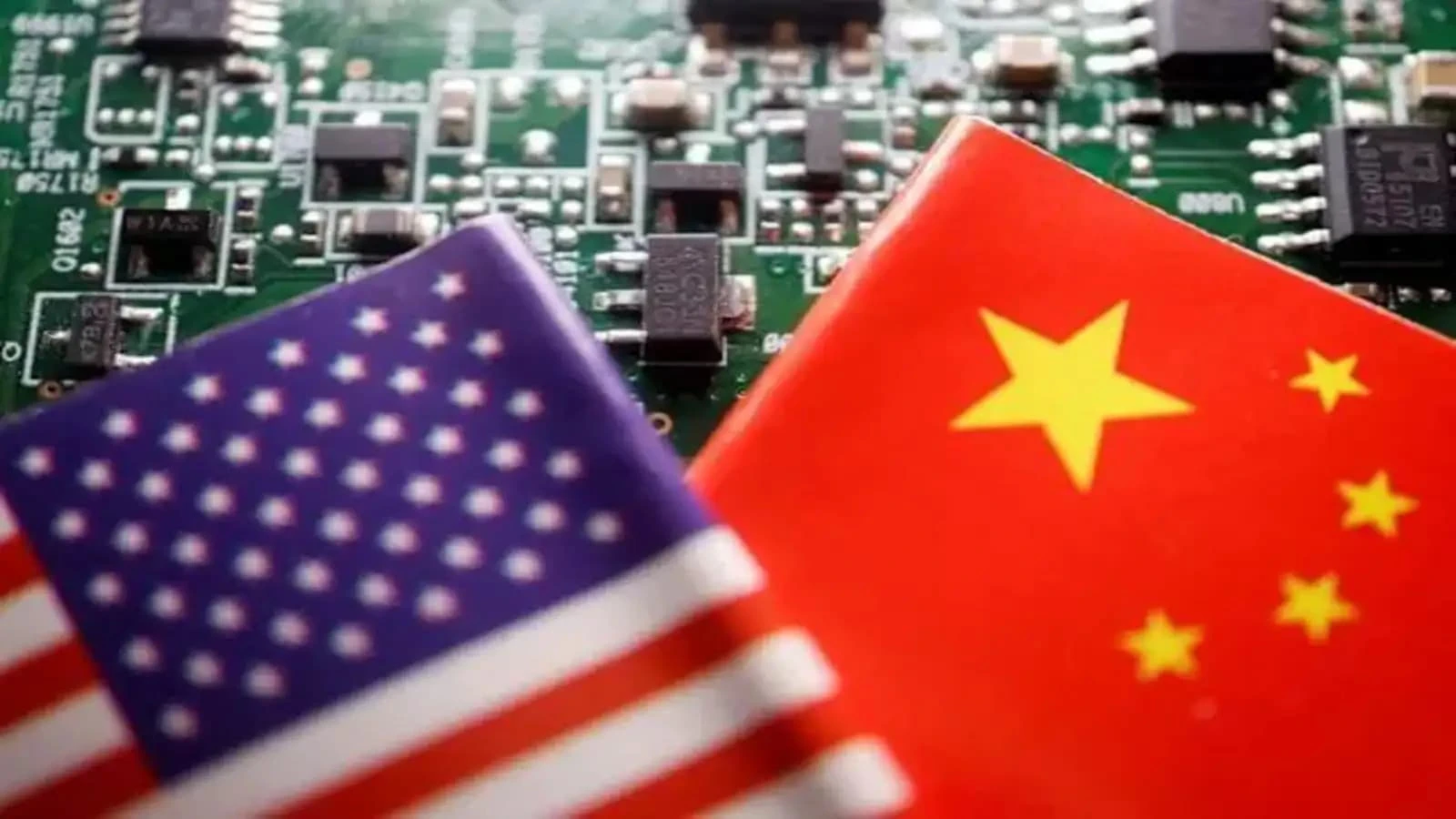
Why the US restricts advanced chips, and how smuggling cases are prosecuted
In October 2026, a contractor linked to Super Micro Computer pleaded guilty in a case involving about $2.5 billion of AI servers with Nvidia chips allegedly diverted to China. This explainer covers how US export controls on AI chips work, why they exist, how diversion schemes operate and what it means for companies.
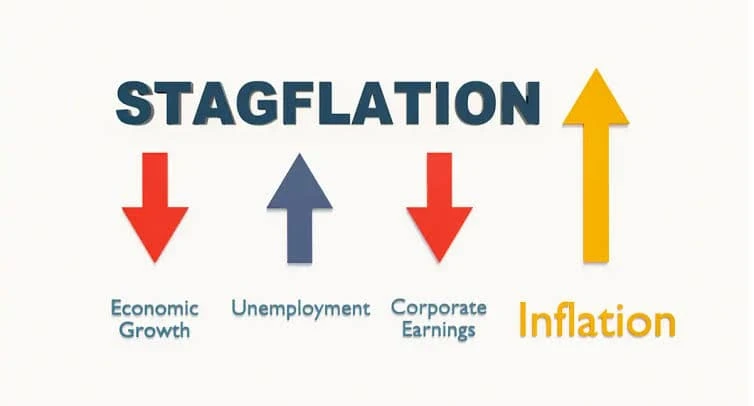
Oil shocks, rate hikes and lessons from the 1970s
Stagflation means high inflation combined with weak growth and rising unemployment. With oil near $100, inflation above target and central banks raising rates again in 2026, the term is back in the headlines. This explainer covers what stagflation is, the 1970s comparison, today's data, and what it would mean for households and investors.

How conflict in the Gulf and Yemen is raising the cost of moving goods around the world
War-risk insurance for ships passing through the Strait of Hormuz has risen from about 0.25% of a vessel's value to as much as 10%, while Houthi forces control much of the Bab al-Mandeb strait. This explainer covers how war-risk insurance works, why shipping routes are under pressure, and how it affects prices for consumers and businesses.
The startup investor who became the face of the generative AI boom
Samuel Harris Altman (born 22 April 1985) is the co-founder and CEO of OpenAI, the company behind ChatGPT. A former president of startup accelerator Y Combinator, he has become one of the most influential voices on artificial intelligence, and in September 2026 said OpenAI would not go public that year, citing AI safety.

Companies are rethinking AI spending as rising costs, unreliable outputs, data-security risks and unclear returns challenge expectations. Discover why businesses are shifting from rapid adoption to more targeted AI investment.
After rushing to adopt artificial intelligence, some companies are tightening budgets, restricting access to AI tools and reassessing expensive projects. The shift reflects a growing gap between AI’s promise and measurable business results, alongside concerns about security, quality and the cost of correcting mistakes.
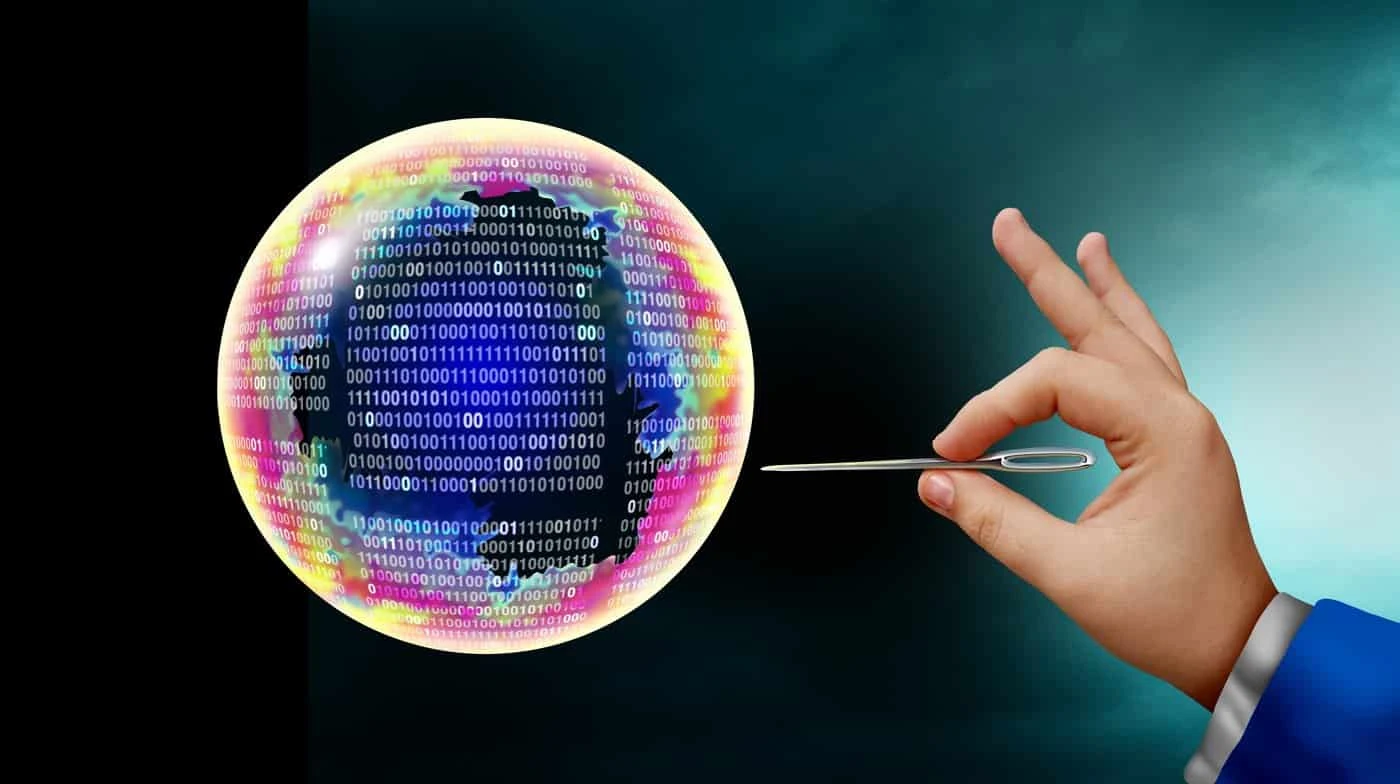
Bonds, loans and Gulf money are financing the race for AI chips and data centres
AI companies are increasingly funding chips and data centres with debt. SpaceX is reportedly raising about $40 billion for Nvidia chips, SoftBank is seeking up to $100 billion from Gulf investors, and Morgan Stanley estimates AI infrastructure may need $1.5 trillion in outside financing by 2028. This explainer covers who is borrowing, why, and the risks.
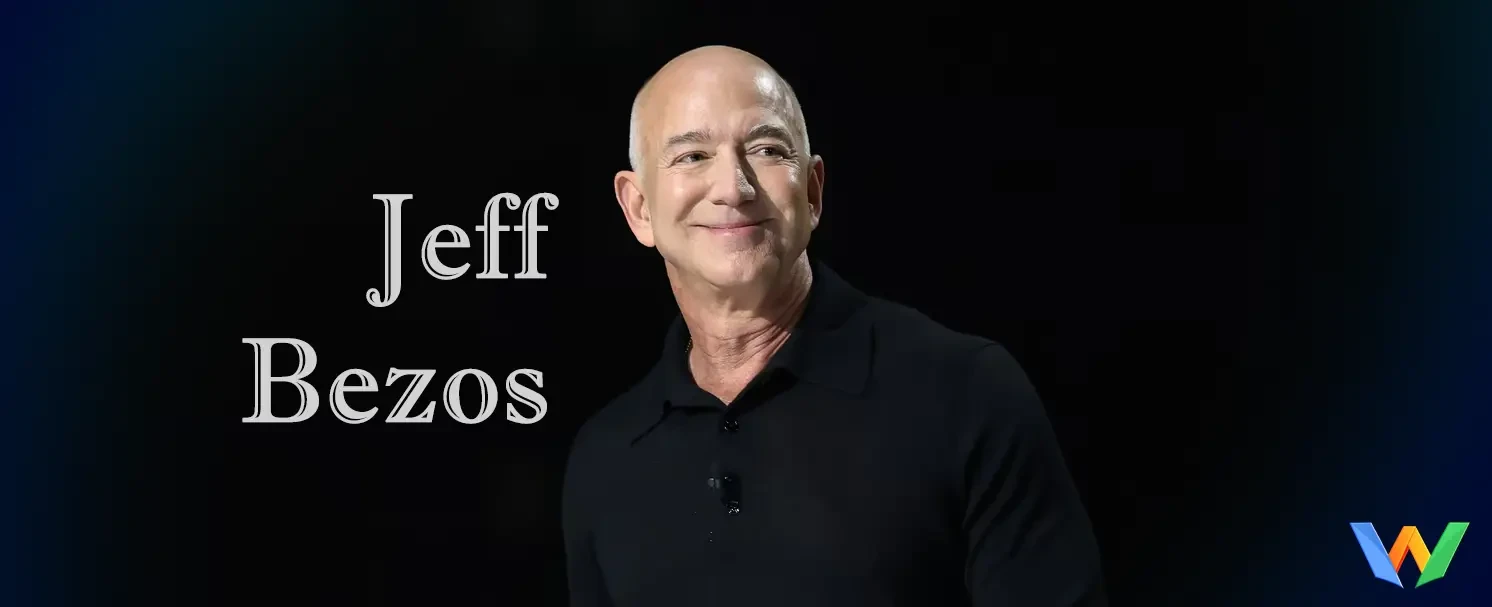
How an online bookstore in a garage became the everything store — and funded a space company
Jeffrey Preston Bezos (born 12 January 1964) founded Amazon in 1994 and built it into one of the world's largest companies, spanning e-commerce, cloud computing and entertainment. He stepped down as CEO in 2021 to serve as executive chairman and now focuses on his space company Blue Origin, The Washington Post and philanthropy.

A complete viewing guide for the 21–22 October peak, including tips for India
The Orionid meteor shower, created by dust from Halley's Comet, peaks around the night of 21–22 October 2026. With the waxing gibbous Moon setting after midnight, the pre-dawn hours offer the best views. This guide covers when and where to look, how many meteors to expect and practical viewing tips.

From $5,589 in January to around $4,200 in October: what moves the safe-haven metal
Gold hit an all-time high of about $5,589 an ounce on 28 January 2026, yet traded near $4,177 on 1 October despite the Iran war and an oil shock. This explainer covers gold's 2025–2026 rollercoaster, why rising interest rates weigh on the metal, and what to watch next.
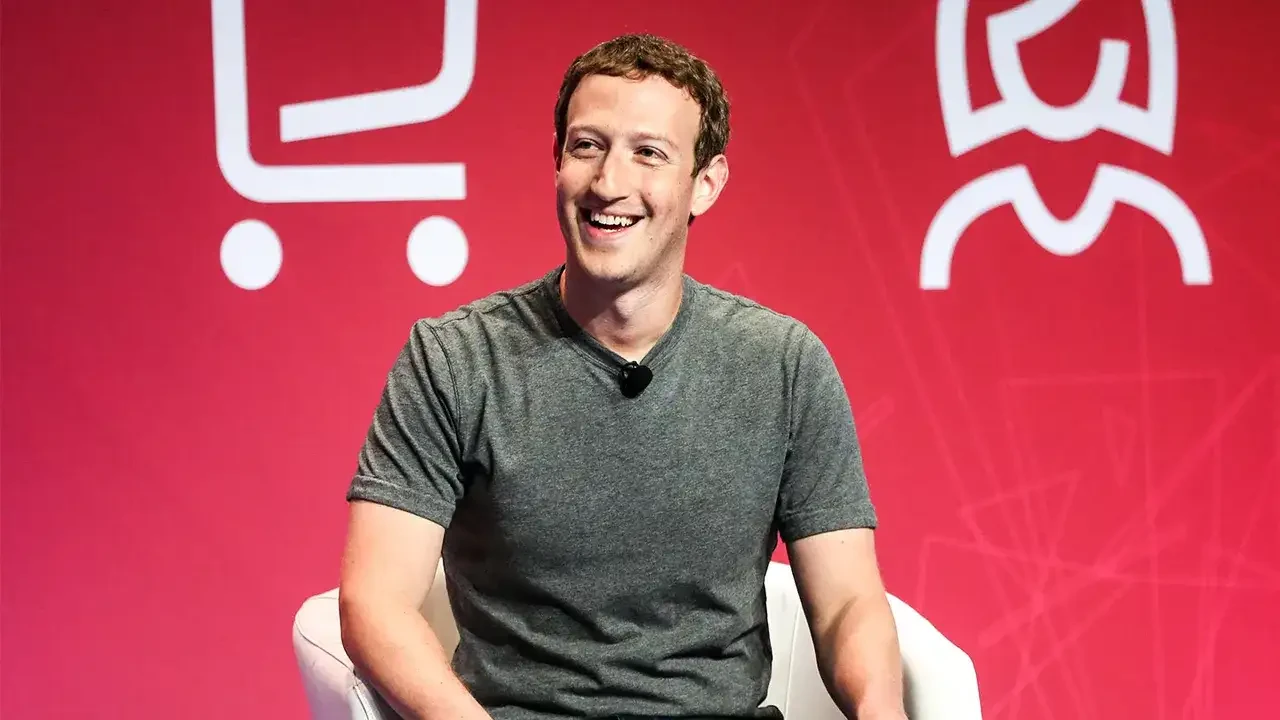
From a Harvard dorm room to running apps used by more than three billion people a day
Mark Elliot Zuckerberg (born 14 May 1984) is the co-founder, chairman and CEO of Meta Platforms, the parent company of Facebook, Instagram, WhatsApp and Threads. After building the world's largest social network, he renamed the company Meta in 2021 and is now investing record sums in artificial intelligence and smart glasses in pursuit of what he calls "personal superintelligence."

JWST observations and a technique called transmission strings reveal that the hot Jupiter WASP-17b has an uneven atmospheric edge shaped by extreme heat and winds.
Researchers used the James Webb Space Telescope and a method called transmission strings to map atmospheric differences around WASP-17b, a hot Jupiter about 1,300 light-years away. The study helps astronomers test models of exoplanet weather, but it is not a direct photograph and does not indicate that the planet could support life.
Page 2 of 14