•
•
•
•
•
•
•

Why voters across the region are turning right, and what Brazil's runoff could add
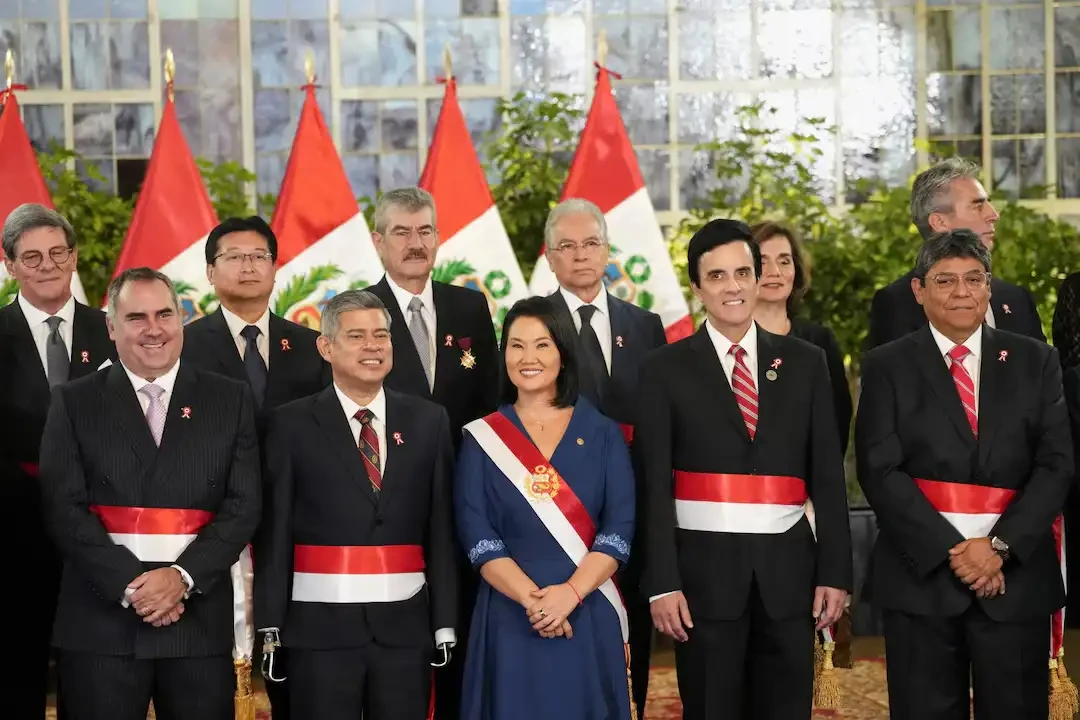
Latin America has moved sharply to the right. According to the Associated Press, conservative candidates have won seven major presidential elections in the region in the past few years, most of them since Donald Trump's return to the White House in January 2025. The latest are Keiko Fujimori in Peru and Abelardo de la Espriella in Colombia, both elected in June 2026. Crime, drug trafficking, migration and economic frustration are driving the shift. Brazil could join the trend if Flávio Bolsonaro wins the 25 October runoff against President Lula.
| Country | Leader | Elected | Signature promises |
|---|---|---|---|
| Argentina | Javier Milei ("The Lion") | Nov 2023 | Libertarian austerity, ending money-printing |
| Ecuador | Daniel Noboa | Re-elected Apr 2025 (56%) | Military role against gangs, US anti-drug cooperation |
| Honduras | Nasry Asfura | Nov 2025 | Trump-endorsed; deportee agreement with US |
| Chile | José Antonio Kast | Dec 2025 (58%) | Crime, expelling irregular migrants, border trench |
| Costa Rica | Laura Fernández | Feb 2026 (48%) | State of exception, CECOT-style mega-prison |
| Colombia | Abelardo de la Espriella ("The Tiger") | Jun 2026 | End peace talks with armed groups, mega-prisons |
| Peru | Keiko Fujimori | Jun 2026 | New prisons, militarised borders, deportations |
An economist and former TV commentator, Milei won in 2023 as a libertarian outsider. He stopped the central bank from financing deficits by printing money, cut public jobs and investment, and reduced utility subsidies. Inflation fell from 211% in 2023 to 32% in 2025, though critics blame austerity for falling living standards.
A conservative Catholic, Kast won with 58% in December 2025, ending four years of progressive government. He has expanded a border trench with Peru and Bolivia to curb drug trafficking and migration. His government faces protests over unemployment and budget cuts.
The 51-year-old daughter of former president Alberto Fujimori won the June 2026 runoff on her fourth attempt. She promises four new prisons, including one modelled on El Salvador's CECOT, militarised borders and deportation of migrants without legal residency.
A lawyer and businessman endorsed by Trump, he narrowly beat progressive lawmaker Iván Cepeda in June 2026. He promises to cancel peace talks with rebel groups, build mega-prisons and tackle extortion. He succeeds Gustavo Petro, a former guerrilla member who opposed Trump's immigration and anti-drug policies.
Analysts, including the Barcelona think tank CIDOB, stress that the wave is not uniform. Milei is a libertarian economist, Kast a social conservative, Noboa a centre-right businessman, and de la Espriella a security-focused outsider. Their policies on trade, China and the state differ widely.
In Brazil's first round on 4 October, Flávio Bolsonaro won about 47% against Lula's 45%. He has pledged to join the US-backed Americas Shield security coalition. A win on 25 October would put Latin America's largest country in the conservative camp too.
They include Argentina (Milei), Chile (Kast), Ecuador (Noboa), Peru (Fujimori), Colombia (de la Espriella), Costa Rica (Fernández), Honduras (Asfura) and El Salvador (Bukele).
Mainly because of concern about crime and drug trafficking, migration, economic frustration and anti-incumbent sentiment.
El Salvador's Terrorism Confinement Centre, a mega-prison that has become a model for leaders promising crackdowns on gangs.
Abelardo de la Espriella, who narrowly beat Iván Cepeda in June 2026.
Latin America's political map has changed quickly, driven mainly by voters' fears about security. The coming years will test whether tough-on-crime governments can reduce violence without weakening democracy, and Brazil's runoff will show how far the trend reaches.
