•
•
•
•
•
•
•

Everything to know before Brazil's 25 October presidential runoff
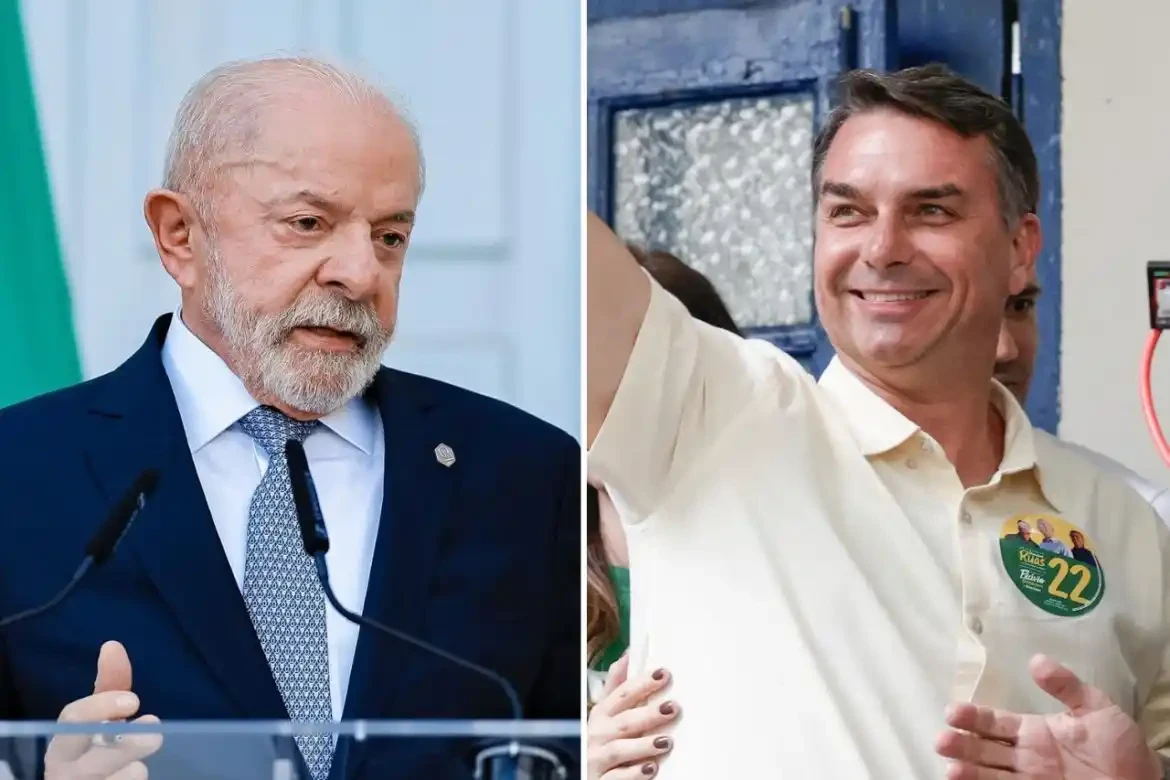
Brazil will choose its next president in a runoff on Sunday, 25 October 2026. In the first round on 4 October, Senator Flávio Bolsonaro of the Liberal Party (PL) won about 47% of valid votes. Incumbent President Luiz Inácio Lula da Silva of the Workers' Party (PT) won about 45%, according to the Superior Electoral Court's count reported by MercoPress. Neither reached the 50% needed to win outright. The result surprised pollsters, most of whom had Lula ahead.
| Candidate | Party | Approx. share of valid votes |
|---|---|---|
| Flávio Bolsonaro | Liberal Party (PL) | ~47% |
| Luiz Inácio Lula da Silva | Workers' Party (PT) | ~45% |
| Others (Ronaldo Caiado, Renan Santos, Augusto Cury, Romeu Zema) | Various | ~8% combined |
The final Datafolha poll before the vote had Lula at 45% and Bolsonaro at 42%. Quaest had Lula five points ahead. Flávio Bolsonaro led the count from start to finish.
On the same day, Brazilians also elected governors, the entire Chamber of Deputies, two-thirds of the Senate and state assemblies.
Flávio is a senator from Rio de Janeiro and the eldest son of former president Jair Bolsonaro. Jair Bolsonaro is serving a 27-year sentence under house arrest after being convicted of attempting a coup. Flávio has promised an amnesty for his father if he wins. After the first round he said that "Brazil wants change" and thanked roughly 56 million voters, more than his father received in the first round of 2022.
His proposals include:
Flávio is under investigation in the Banco Master case but has not been formally charged.
Lula, 80, is a former metalworker and union leader who served as president from 2003 to 2010 and returned to office in 2023. He said after the first round that "the second round is the real test." His campaign is targeting people who did not vote in the first round and voters over 70.
The winner will govern a country of more than 200 million people and Latin America's largest economy. Policy on courts, security, the Amazon and public spending could change sharply depending on the result.
According to a related MercoPress report, São Paulo stocks jumped about 8% and the real strengthened after Flávio Bolsonaro's first-round lead. Investors are pricing in a possible shift in economic policy.
A Bolsonaro win would continue a run of conservative victories in Latin America, including José Antonio Kast in Chile, Abelardo de la Espriella in Colombia and Keiko Fujimori in Peru.
Since Brazil returned to direct presidential elections in 1989, no candidate who finished second in the first round has gone on to win the runoff. The gap is small, though. Two things will decide the result:
Sunday, 25 October 2026.
Flávio Bolsonaro, with about 47% of valid votes, ahead of President Lula at about 45%.
Yes. He is the former president's eldest son.
If no candidate wins more than 50% of valid votes in the first round, the top two candidates face each other in a second round.
Voting is compulsory for literate citizens aged 18 to 70 and is done on electronic voting machines. MercoPress reported that storms caused power cuts at some polling stations, but the machines were not affected.
Brazil's 2026 runoff is a choice between two very different directions: the continuity of Lula's centre-left government or a right-wing turn led by the Bolsonaro family's next generation. With only about two points between them after the first round, the 25 October vote is likely to be close.
