•
•
•
•
•
•
•

How value-seeking shoppers, cleaner labels and constant innovation are shaping the holiday quarter
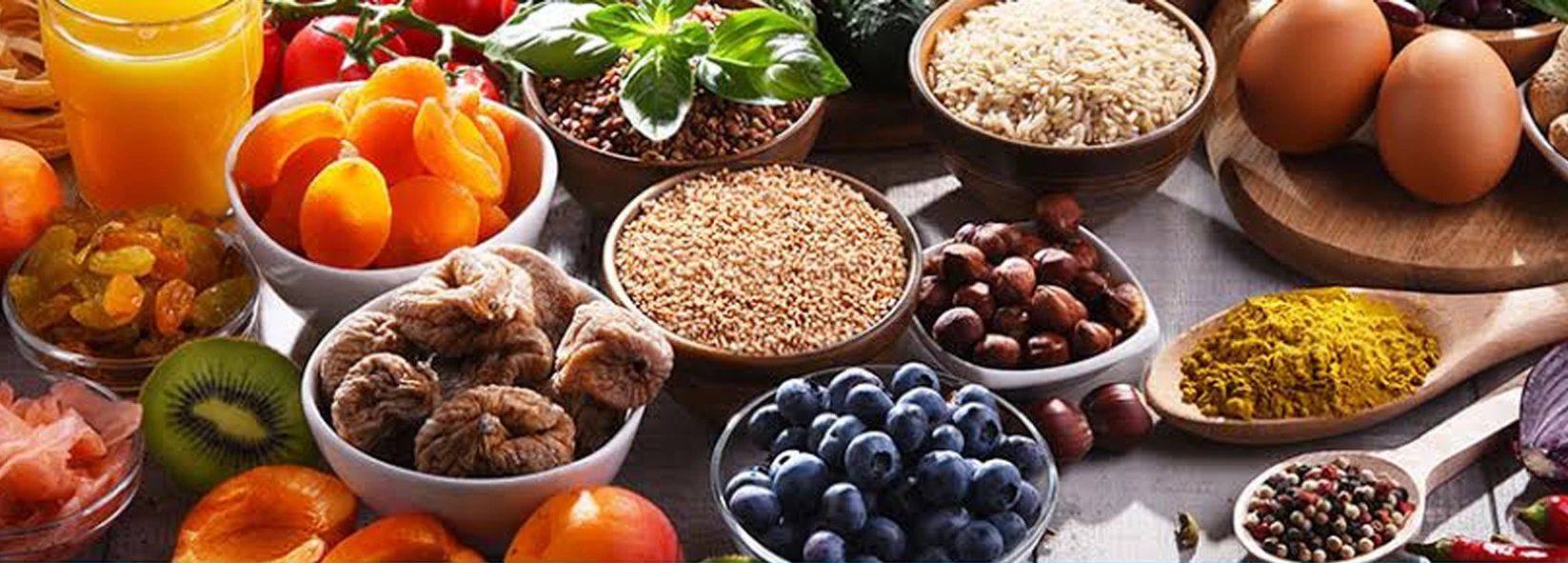
The food and beverage industry enters the final quarter of 2026 with two jobs to do at once: give cost-conscious shoppers better value and keep innovating. This week's soft U.S. jobs report, with September payrolls of just 29,000 and unemployment edging up to 4.2%, is a reminder that household budgets remain tight. Yet new launches, reformulations and trade events show the sector is far from standing still.
Analysts have warned all year that shoppers are trading down and hunting for deals. Circana lowered its 2026 growth forecast for retail food and beverage sales to a range of 2% to 4%, citing pulled-back spending and intense price competition, while Nestlé has said it expects growth in many of its categories to slow to roughly 1% to 2%. For brands, affordability, channel flexibility and personalized offers are no longer optional. Expect more promotions, pack-size changes and private-label competition heading into the holiday season.
Reformulation remains a major theme. WK Kellogg has announced an accelerated timeline to remove artificial colors and the preservative BHT from its cereals and packaging, with production of new recipes for brands such as Froot Loops and Apple Jacks due to begin later this year. The company plans to switch to colors derived from fruit and vegetable juices and other plant-based ingredients. Other manufacturers are likely to face similar pressure as consumer scrutiny of additives grows.
Despite the cautious mood, new products keep arriving. Beverage Industry has selected eight new drinks introduced in September for its readers' choice vote, including new Huel flavors. Faygo has brought back fan-favorite soft drinks for fall, and the Red Bull Advent Calendar returns for 2026. Seasonal and nostalgic releases remain a relatively low-risk way to generate excitement when budgets are stretched.
At Future Food-Tech London, five industry experts tackled that very question, while Mondelēz SnackFutures shared its view on the trends shaping confectionery and snacking. Upcoming industry webinars also point to dairy alternatives as an area seeking new channels and formats for its next growth phase. The common thread is speed: tastes and technology are shifting faster than many companies can adapt.
Restaurants continue to draw attention with openings and awards. In Dallas, for example, new steakhouse and Mediterranean openings are lined up for October, and Michelin is expected to announce changes to its Texas guide on October 8. Awards and openings like these keep foodservice in the headlines even as diners watch their spending.
| Date | Event |
|---|---|
| 5-7 Oct | Vertical Farming World Congress, London |
| 6 Oct | Constellation Brands expected earnings |
| 8 Oct | PepsiCo expected earnings; Michelin Texas guide update |
| 12-15 Oct | CBB 2026 brewing and beverage technology exhibition, Shanghai |
Food and beverage in late 2026 is defined by a tug-of-war between thrifty consumers and an industry determined to innovate. Brands that deliver real value, cleaner ingredients and genuine novelty are best placed to win the holiday quarter.
Based on publicly reported industry news as of 3 October 2026.
