•
•
•
•
•
•
•

Height, floors, design, engineering and the race to build a taller tower
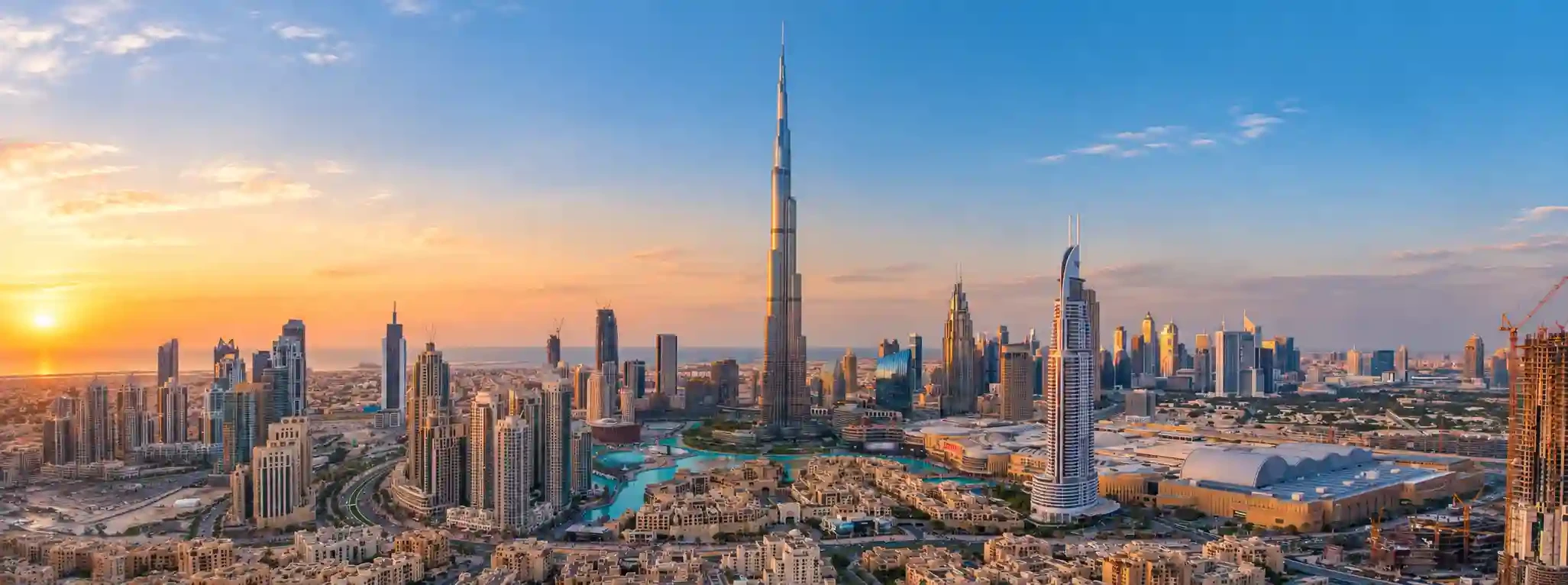
The Burj Khalifa in Dubai is more than a skyscraper. At 828 metres, it is the tallest building in the world and the tallest freestanding structure ever built, a record it has held since opening in 2010. This guide covers Burj Khalifa height, floors, design, engineering, history, visiting tips and the challenger already rising in Saudi Arabia.
Construction began in 2004 in Downtown Dubai. The tower reached its full height of 828 metres on October 1, 2009, when the spire was installed in the final phase, and it officially opened on January 4, 2010.
The project was originally known as Burj Dubai. It was renamed Burj Khalifa to honour Sheikh Khalifa bin Zayed Al Nahyan, the UAE President, who provided financial support during the 2008 financial crisis.
The tower was designed by Adrian Smith of Skidmore, Owings & Merrill. Its Y-shaped floor plan is inspired by the Hymenocallis, a desert flower, but the shape is more than decoration. The three-wing layout buttresses the building against wind from any direction, which is critical at this height.
The structure also steps back as it rises and tapers to a slender spire, which helps reduce the wind forces acting on a supertall tower. Form and engineering work together here, and the result is one of the most recognisable silhouettes on Earth.
These numbers explain why the tower has collected more than 30 world records since it opened.
The Burj Khalifa is a vertical mixed-use city. The Armani Hotel occupies lower levels, with residences, offices, restaurants and a spa across other floors. At the top, the observation experience includes the highest outdoor observation deck in the world at Level 148, 555 metres above the ground.
The tower anchors Downtown Dubai, which includes The Dubai Mall, one of the world's largest, the Dubai Fountain, the world's largest choreographed fountain, and Souk Al Bahar. It is also the centrepiece of Dubai's New Year's Eve fireworks and LED light shows.
| Structure | Height | Note |
|---|---|---|
| Burj Khalifa | 828 m (2,717 ft) | Tallest completed building since 2010 |
| Shanghai Tower | 632 m | Second tallest completed building |
| Empire State Building | 443 m | Burj Khalifa is nearly twice as tall |
| Eiffel Tower | 330 m | Only about 40% of Burj Khalifa's height |
| Jeddah Tower (under construction) | 1,000+ m planned | 454 m and 113 floors as of September 2, 2026 |
Saudi Arabia's Jeddah Tower is designed to exceed 1,000 metres, with a planned height of around 1,008 metres and 167 floors. Construction stalled in 2018 after reaching 63 floors, but work resumed in January 2025 and the tower has climbed quickly since, reaching 100 floors in April 2026 and 113 floors by early September.
Current projections place completion around 2028, although some industry estimates stretch into 2029. Until then, the Burj Khalifa remains the tallest completed building in the world. Interestingly, Adrian Smith, who designed the Burj Khalifa at SOM, is also behind Jeddah Tower through Adrian Smith + Gordon Gill Architecture.
Visitors reach the observation decks from the base of the tower inside The Dubai Mall area. Tickets are sold for different levels, with the Level 148 outdoor deck the highest option. Because prices, opening hours and time slots change, check the official Burj Khalifa website before booking, and consider a sunset slot for views across both day and night.
How tall is the Burj Khalifa?
It is 828 metres (2,717 feet) tall.
How many floors does the Burj Khalifa have?
It has 163 floors above ground.
When did the Burj Khalifa open?
It officially opened on January 4, 2010.
Is the Burj Khalifa still the tallest building in 2026?
Yes. It remains the tallest completed building, although Jeddah Tower is rising in Saudi Arabia.
The Burj Khalifa shows how engineering, design and ambition can reshape a city's identity. Even as Jeddah Tower climbs, Dubai's tower remains the benchmark for supertall construction, and a must-see for anyone interested in modern infrastructure.
