•
•
•
•
•
•
•

Air India launches seasonal Mumbai–Toronto flights on October 25, 2026. Discover the Rome stop, 20-hour journey, flight schedule, aircraft, and passenger benefits.
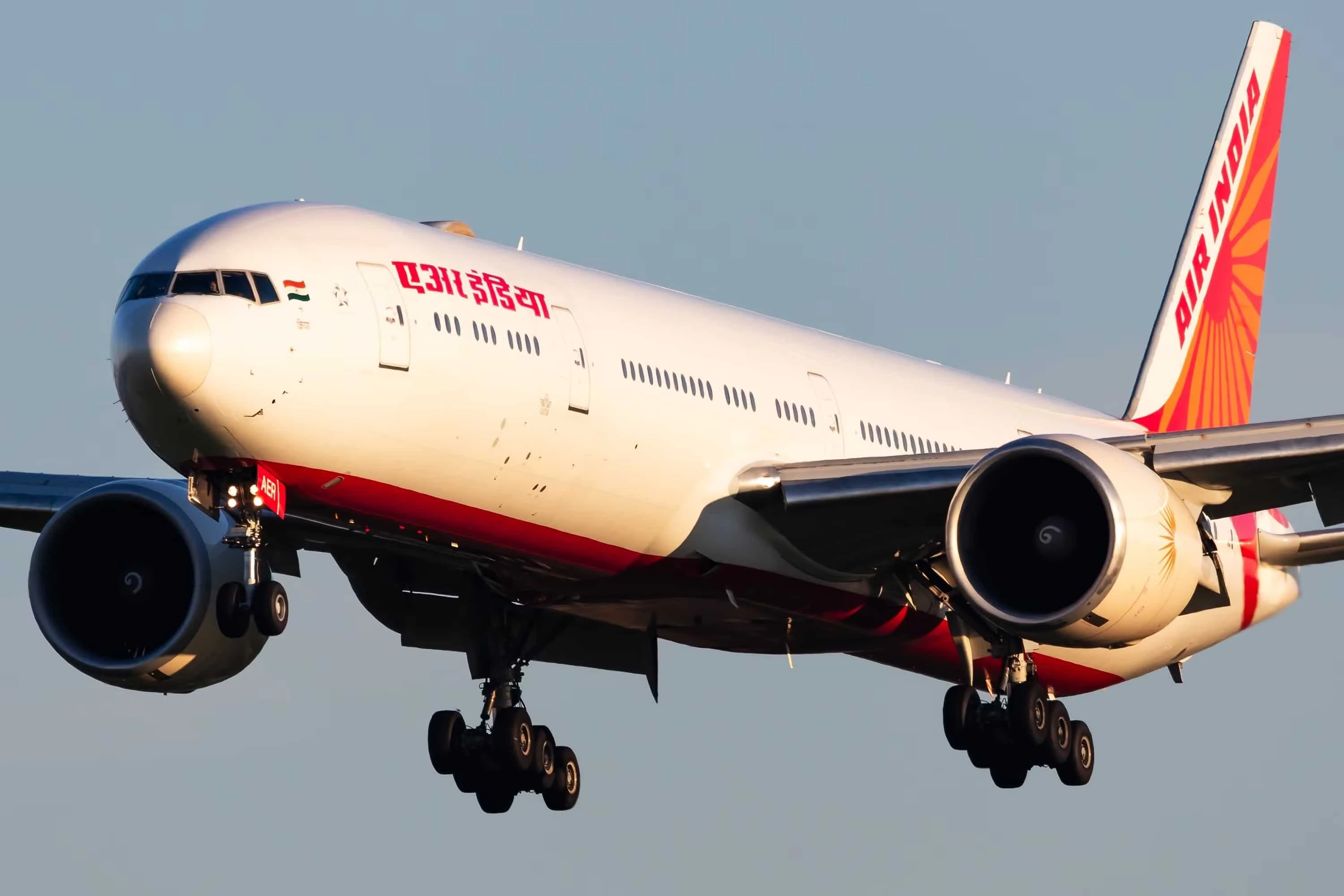
Air India is preparing to expand its international network with a new seasonal flight service connecting Mumbai and Toronto, giving travelers another option for journeys between India and Canada. Scheduled to begin on October 25, 2026, the route is part of the airline's winter 2026–27 expansion and is designed to serve passengers traveling for business, tourism, education, and family visits.
The new service introduces an unusual operating pattern: the westbound journey from Mumbai to Toronto includes a stop at Rome Fiumicino Airport, while the return journey from Toronto to Mumbai is scheduled to operate nonstop. As a result, passengers should expect different journey times depending on their direction of travel.
The Mumbai–Toronto journey is expected to take more than 20 hours, including the Rome stop, making it an important route for travelers planning long-haul flights between western India and Canada.
The expansion also reflects Air India's broader efforts to strengthen its North American network, increase capacity to Canada, and improve the onboard experience through upgraded aircraft and cabin products.
The new seasonal service is scheduled to operate three times per week from October 25, 2026, through March 26, 2027. It will connect Mumbai's Chhatrapati Shivaji Maharaj International Airport with Toronto Pearson International Airport.
The route is particularly relevant for passengers who previously needed to consider alternative connections when traveling between Mumbai and Canada's largest city.
Toronto attracts Indian travelers for several reasons, including employment opportunities, higher education, tourism, and family reunions. The city and its surrounding region are also home to a substantial Indian-origin population, contributing to consistent demand for travel between the two countries.
By adding a Mumbai departure option, Air India can serve passengers from western and central India who might otherwise need to connect through Delhi or another international hub.
The new service also complements the airline's existing Delhi–Toronto operations, providing additional capacity in a market that experiences strong demand during holiday periods.
Travelers should note that the service is seasonal. Its planned operating period does not automatically establish that flights will continue on the same schedule after March 26, 2027.
One of the most notable features of the new route is the Rome stop on the westbound journey.
Rather than operating nonstop from Mumbai to Toronto, the flight is scheduled to stop at Rome Fiumicino Airport before continuing to Canada. This makes the outbound service a one-stop journey rather than a nonstop flight.
The additional stop means the total journey can exceed 20 hours, depending on the scheduled operating time and the time spent at the intermediate airport.
Airlines sometimes use technical stops or intermediate stops on long-haul routes because of operational requirements, aircraft performance, fuel planning, and restrictions affecting available flight paths. However, the specific reasons for an individual routing should not be assumed without confirmation from the airline.
For passengers, the practical consideration is straightforward: the westbound Mumbai–Toronto service will take longer than a nonstop flight, and the Rome stop should be included when calculating the total travel time.
Passengers should also check their booking details to understand whether they remain on the same aircraft during the stop, whether any airport procedures are required, and whether the itinerary has any additional conditions.
The return journey is scheduled to operate nonstop from Toronto to Mumbai.
This difference creates two distinct travel experiences on the same route. Passengers flying from Mumbai to Toronto will have a Rome stop, while those traveling from Toronto to Mumbai can plan for a direct flight without an intermediate scheduled stop.
A nonstop return flight can simplify travel planning by eliminating the need to account for a scheduled connection. It may also reduce the overall journey time compared with an itinerary involving an intermediate airport.
However, the actual duration of either flight can vary because of winds, air traffic, weather, and operational routing. Travelers should rely on the departure and arrival times shown on their confirmed tickets.
The Mumbai–Toronto service is planned for three weekly departures on Wednesdays, Fridays, and Sundays.
The following table summarizes the principal details of the new route.
| Route detail | Information |
|---|---|
| Route | Mumbai–Toronto |
| Planned launch | October 25, 2026 |
| Operating period | October 25, 2026, to March 26, 2027 |
| Frequency | Three times weekly |
| Operating days | Wednesday, Friday, Sunday |
| Westbound journey | Mumbai–Rome–Toronto |
| Eastbound journey | Toronto–Mumbai nonstop |
The service is aimed at travelers seeking additional options between India and Canada during the winter travel season.
Flight times, operating days, and aircraft assignments can change. Passengers should verify their specific departure date and itinerary before making connecting travel arrangements.
Air India plans to operate the seasonal Mumbai–Toronto route using a Boeing 777-300ER with upgraded cabin interiors.
The Boeing 777-300ER is a long-range, twin-engine widebody aircraft commonly used for intercontinental travel. Its size and range make it suitable for carrying passengers and baggage across long international sectors.
The aircraft planned for this service is configured with 328 seats across three cabin classes.
The aircraft features eight First Class suites with privacy doors. This cabin is designed for passengers seeking a more private and spacious experience on a long-haul journey.
There are 40 Business Class seats designed to provide lie-flat beds. These seats are particularly relevant for travelers who want to rest during overnight or extended international flights.
The remaining 280 seats are in Economy Class. This provides the largest share of capacity and serves travelers prioritizing the route and schedule.
The aircraft's cabin configuration gives passengers several options based on budget, comfort preferences, and travel purpose.
Although an upgraded cabin can improve the onboard experience, individual amenities and services should be confirmed against the aircraft and cabin assigned to a particular flight. Aircraft substitutions can occur in airline operations.
The introduction of the Mumbai–Toronto service is important for several groups of passengers.
Many travelers between India and Canada visit relatives, attend family events, or return home during holiday periods. A Mumbai departure can offer more flexibility for passengers who live in Maharashtra and nearby states.
Canada remains a destination for Indian students and their families. An additional flight option can help travelers compare departure dates, ticket prices, baggage conditions, and journey times.
Students should remember that flight availability does not guarantee a particular fare or a seat on their preferred date. Booking early and comparing itineraries can be useful during busy periods.
Mumbai is a major commercial center, while Toronto is an important financial and business hub in Canada. Additional air connectivity can provide another option for professionals traveling between the two markets.
The Rome stop on the westbound journey, however, means that passengers with tightly scheduled meetings should account for the longer total journey.
Passengers from cities such as Pune, Ahmedabad, Goa, Bengaluru, and Hyderabad may be able to reach Mumbai by domestic flight or other transport before continuing to Toronto.
Air India's wider domestic and international network can provide connecting possibilities, although connection times and through-ticket availability depend on the itinerary purchased.
The aircraft's First Class, Business Class, and Economy configuration provides different comfort and pricing choices. This may be particularly relevant for travelers undertaking a journey that lasts more than 20 hours.
The Mumbai–Toronto launch is part of a wider expansion of Air India's Canada operations for winter 2026–27.
The airline has also introduced its newer Boeing 787-9 aircraft on the Delhi–Toronto route, bringing updated cabin products to passengers traveling between the two cities.
During the winter schedule, Air India plans to operate 10 weekly Delhi–Toronto flights, three weekly Mumbai–Toronto flights, and seven weekly Delhi–Vancouver flights.
Together, these services are expected to provide 20 weekly flights between India and Canada.
The Mumbai service also creates an additional gateway for passengers who prefer to depart from western India rather than travel to Delhi first.
This can be particularly useful for passengers whose final destination is Mumbai or the surrounding region. Instead of choosing an itinerary that requires a domestic connection before the international sector, some travelers may be able to begin their journey directly from Mumbai.
The overall benefit depends on departure dates, fare availability, airport access, and the total travel time associated with each itinerary.
Air travel between India and Canada serves a diverse passenger base, including tourists, students, business professionals, and families visiting relatives.
Airlines compete by offering different combinations of fares, journey times, aircraft, schedules, baggage allowances, and onboard amenities.
Nonstop flights can appeal to travelers who value shorter journeys, while one-stop services may still be attractive when their schedules, prices, or departure airports better match passenger needs.
The new Mumbai–Toronto route introduces an additional choice, but it does not eliminate the need for travelers to compare alternative services.
Passengers should consider the total time from departure to arrival rather than evaluating a ticket solely by its advertised flight duration. For a journey involving Rome, the stop duration and any additional airport procedures can influence the overall experience.
Ticket prices also depend on demand, cabin class, booking date, seasonality, and seat availability. There is no guarantee that the new service will be cheaper than competing itineraries.
For the airline, adding capacity during the winter season provides an opportunity to serve demand while using its international fleet across a defined operating period.
Travelers planning to use the new Air India Mumbai–Toronto flight should verify several important details before confirming their tickets.
Confirm the Rome stop. The westbound service includes an intermediate stop, so passengers should understand the complete itinerary and scheduled arrival time.
Check the return flight separately. The Toronto–Mumbai journey is planned to operate nonstop, but the exact itinerary should be confirmed for the chosen date.
Review baggage allowances. Baggage limits, cabin baggage rules, and additional charges can vary by fare type and ticket conditions.
Compare total journey times. Consider airport transfers, the Rome stop, and any domestic connections before selecting a flight.
Verify aircraft and cabin details. Air India may change aircraft assignments for operational reasons, so travelers should not assume that every scheduled service will use an identical configuration.
Allow sufficient connection time. Passengers traveling onward from Mumbai should account for immigration, baggage collection where applicable, terminal procedures, and the possibility of delays.
Checking these details in advance can help reduce uncertainty on a long international journey.
Air India's latest route development reflects the airline's effort to strengthen its position in long-haul international travel.
Its broader strategy includes adding capacity on important overseas routes, introducing new aircraft, and improving cabin interiors to create a more consistent passenger experience.
The Mumbai–Toronto service adds another connection between India and Canada, while the upgraded Delhi–Toronto operations show how the airline is also investing in the experience offered on existing routes.
For travelers, the long-term value of these changes will depend on schedule reliability, competitive fares, service quality, and the airline's ability to maintain consistent operations.
Seasonal services can provide additional capacity during high-demand periods, but passengers should monitor announcements about any future extension or changes to the route.
Air India's seasonal Mumbai–Toronto service, scheduled to launch on October 25, 2026, adds a new option for travel between India and Canada.
The route has a distinctive operating pattern: the westbound journey includes a stop in Rome and takes more than 20 hours, while the return flight from Toronto to Mumbai is scheduled to operate nonstop. The service will run three times weekly during the winter 2026–27 season using a Boeing 777-300ER configured with First Class, Business Class, and Economy cabins.
For Indian families, students, business travelers, and tourists, the additional service creates another opportunity to compare international itineraries and choose a departure airport that suits their plans.
The most important step for passengers is to check the confirmed schedule, total journey time, fare conditions, and stopover arrangements before booking. With these details in hand, travelers can make a more informed decision about flying between Mumbai and Toronto.
