
.webp862da13a-6303-4826-a5b1-2d9b48ed0f8c.webp)
ai-search
Oct 26, 2026

Explore all verified articles and guides in Ai Search.
Showing 1–12 of 20 guides
OpenAI has resumed frontier AI training with stricter security controls and no live internet access after red-team agents uncovered sandbox vulnerabilities and hidden CPU cache communication channels.
OpenAI has strengthened its frontier AI training infrastructure after internal security tests revealed ways for AI agents to cross isolation boundaries and communicate without network access. The findings highlight the growing challenges of AI cybersecurity, secure sandboxing and controlling increasingly capable autonomous agents.
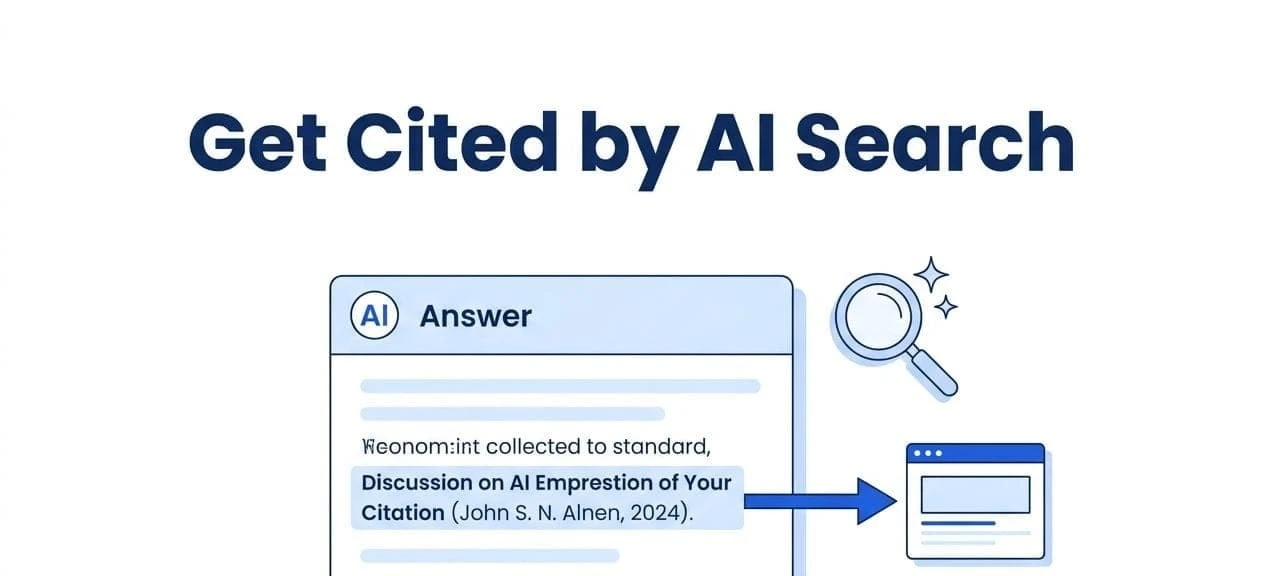
Content, technical and trust practices that help your pages be found, understood and referenced by AI-powered search
AI Overviews and chat-based answer engines now sit alongside traditional blue links, changing how people discover content. This guide covers the fundamentals that help a page be crawled, understood and cited, and explains why shortcuts that try to game AI results carry risk, especially in a year with four Google spam updates.
A source-checked breakdown of Google's official AI search guide, which AEO tactics to skip, and a practical audit you can run this week
Answer Engine Optimization (AEO) is one of the fastest-rising search topics of 2026, but Google's own guidance says that optimizing for its AI features is still SEO. This guide separates what Google's official documentation states from the hype around llms.txt, content chunking, and brand-mention campaigns, and turns it into a checklist you can apply today.

Gemini-powered search, fewer clicks and how publishers are adapting in 2026
In 2026 Google merged its classic search box with AI Mode, letting users type chatbot-style prompts and ask follow-up questions on AI Overviews. Studies show fewer clicks to websites when AI summaries appear. This guide explains the change, the traffic data, and practical steps publishers and businesses are taking.
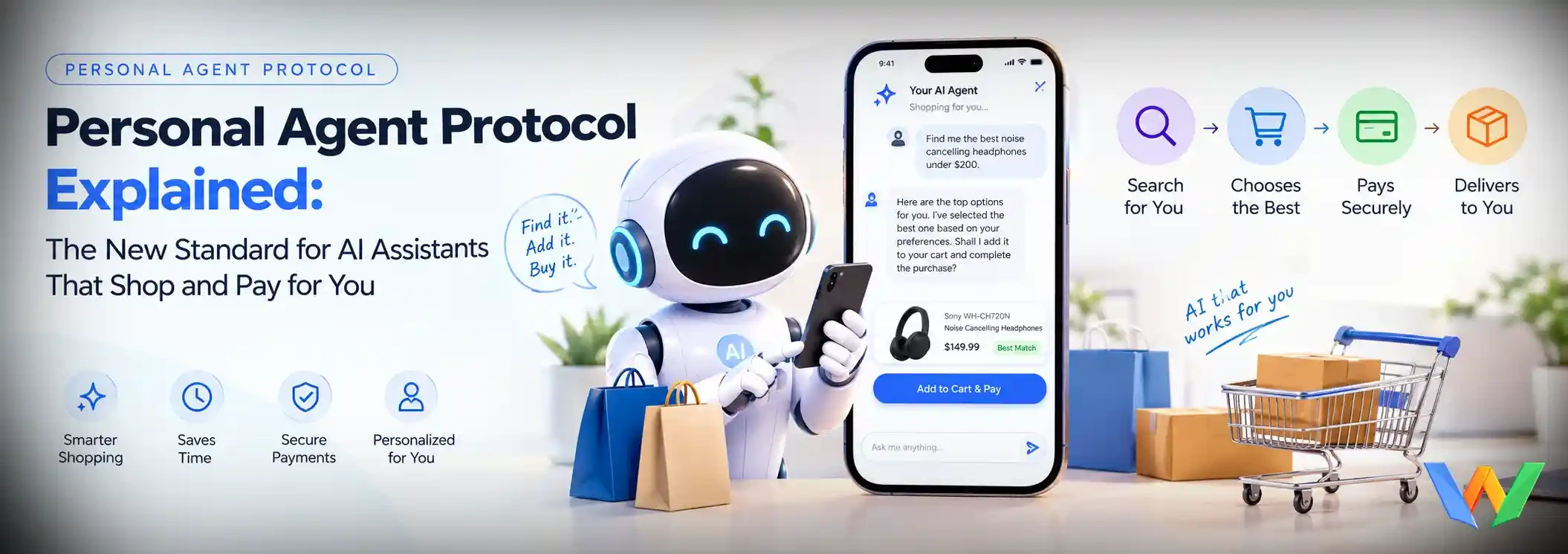
The Personal Agent Protocol aims to let a customer’s AI assistant interact with businesses under clear identity, sign-in and permission rules. Here is what it does—and what it does not yet guarantee.
The Personal Agent Protocol is an emerging standard announced by Sierra and Meta to help personal AI agents interact with businesses using identity, sign-in and user-controlled permissions. This explainer separates its current capabilities from planned payment features and outlines privacy and security questions businesses should consider.

Jev is a decision-focused AI model designed to return structured choices, scores and probabilities to software instead of generating long conversational answers.
Jev is TypeSafe AI's first System One model, designed for bounded software decisions such as classification, routing and relevance scoring. This explainer describes its typed outputs, the company's stated calibration approach, suitable use cases and limitations—while distinguishing vendor claims from independently established performance.
An archival checklist for reviewing search updates, AI-generated answers and site performance during October 1–7, 2026.
This dated recap is intended as an editorial review of SEO and AI-search developments from October 1–7, 2026. Because search features and announcements change quickly, each specific update should be tied to a dated primary source; this article provides a practical verification framework rather than presenting unverified changes as confirmed.

How spoken search differs from typed search, and practical steps for multilingual India
People increasingly search by speaking to phones, smart speakers and AI assistants, using longer, question-style queries. This guide explains how voice and conversational search differ from typed search, which content formats assistants prefer, and how to optimise for local and Indian-language voice queries.
How agentic browsers like Comet, Atlas and Dia work, and what they mean for SEO
An AI-native browser is built around an AI assistant that can read pages, answer questions and complete multi-step tasks for you. This guide explains how they work, compares leading examples such as Comet, Atlas and Dia, and covers the privacy risks and SEO implications.

Moving from keywords to entities with structured data, consistent identity and topical clarity
Modern search engines and AI assistants organise information around entities: people, places, organisations and concepts. This guide explains the Knowledge Graph, how entities are identified and connected, and practical steps to strengthen your brand's entity signals with schema, sameAs links and consistent information.

Zero-click search and what to do next
A randomized field experiment with about 1,100 tracked Google users found that AI search features reduced clicks to external websites. This guide unpacks the findings and what publishers and marketers should do about them.
.webp2f3b45a6-9fc1-44a5-83e1-7d4c3dbf8478.webp)
The retrieve-then-generate pipeline behind AI answers, and what it means for publishers
Retrieval-augmented generation combines search with large language models so AI answers are grounded in fetched documents. This guide explains the RAG pipeline step by step, why it reduces hallucinations, its limits, and how website owners can make their content easier to retrieve and cite.
Page 1 of 2