
Nita Ambani’s ₹-Worthy Heritage Look: The Five-Month Ashavali Silk Saree That Celebrates Gujarat’s Craftsmanship

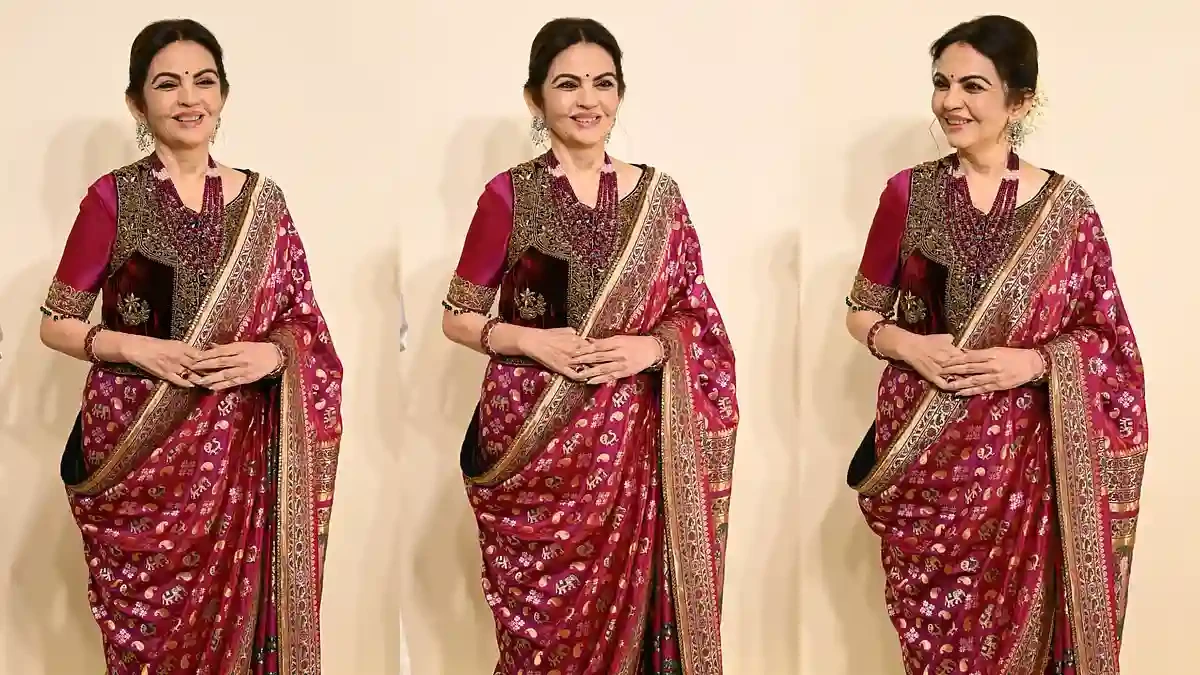
Nita Ambani’s Ashavali Saree Brings Gujarat’s Textile Heritage Into the Spotlight
Nita Ambani once again placed traditional Indian craftsmanship at the centre of luxury fashion with her latest festive appearance. At the first anniversary celebration of Swadesh, the artisan-focused retail and cultural initiative, she wore an exquisite Ashavali silk saree that showcased Gujarat’s historic weaving traditions.
The saree, created by Royal Brocades, took five months to hand-weave in Ridrol village, Gujarat. Crafted by two artisans using a traditional loom, the ensemble reflected the time, precision and expertise involved in preserving India's heritage textiles.
Rather than choosing a contemporary designer outfit alone, Nita Ambani’s look highlighted the enduring appeal of traditional Indian textiles. The appearance also drew attention to Swadesh’s focus on supporting artisans and bringing regional crafts to a wider audience.
Ashavali brocade is associated with an old weaving tradition linked to the historic Ashaval region, in present-day Ahmedabad. Its elaborate patterns, rich fabric and detailed motifs make it a distinctive part of Gujarat’s textile legacy.
Five Months of Hand-Weaving: The Craft Behind Nita Ambani’s Saree
The Ashavali saree was developed by Royal Brocades, a label founded by third-generation weaver and textile revivalist Paresh Patel. Its creation involved multiple stages, including dyeing, warping and weaving, demonstrating the painstaking work behind traditional brocade textiles.
The saree was woven on a traditional jala loom, a technique associated with intricate patterned weaving. The process requires considerable skill and coordination, particularly when creating elaborate motifs and maintaining the detail of a complex design.
The textile features hathi mor jangla motifs, including elephants and peacocks, alongside paisley buttas and geometric lattice patterns. These traditional elements give the saree a richly detailed appearance while reflecting the visual vocabulary of historic Indian textiles.
Its border features parrot motifs inspired by meenakari ornamentation, while the pallu showcases a symbolic Tree of Life design accompanied by vase motifs. Jewel-like detailing across the design adds depth and connects the garment to traditional decorative arts.
The choice of an heirloom-inspired weave highlights how regional craftsmanship can remain relevant in contemporary luxury fashion. It also puts the work of specialist artisans in the spotlight, at a time when handmade textiles compete with mass-produced clothing and changing consumer preferences.
Manish Malhotra’s Custom Blouse Completes the Heritage Look
Nita Ambani paired the saree with a custom blouse designed by fashion designer Manish Malhotra. The design drew inspiration from an antique embroidered velvet koti, or vest, already in her collection.
Rather than treating the blouse as a separate accessory, the design reinterpreted the old garment’s embroidery through detailed gold floral work. This approach brought together personal vintage pieces and contemporary couture techniques.
Her jewellery added another layer of richness to the ensemble. She accessorised with geometric diamond earrings, a tiered necklace featuring red stones, and ruby-encrusted bangles and rings from her personal collection.
The styling balanced elaborate traditional craftsmanship with relatively understated hair and makeup, allowing the saree’s intricate weave, decorative border and statement jewellery to remain the focal points.
The overall look demonstrated how heritage clothing can be styled for modern celebrations without losing its connection to traditional design.
Isha Ambani’s Navratri Look Celebrates Indian Art and Storytelling
The Swadesh anniversary celebration also offered a showcase of traditional Indian craftsmanship through the outfits worn by other members of the Ambani family.
Isha Ambani wore a creation by Torani in collaboration with Swadesh that combined elements of Kalamkari and Odisha’s Pattachitra art traditions. The ensemble incorporated depictions of Radha and Krishna’s Raas, extending the artwork across the choli and dupatta.
According to reports, the outfit took more than 90 days to create, with 10 artisans contributing over 2,000 hours of work. The garment presented Indian storytelling traditions through wearable art, connecting textile design with painting and cultural narratives.
Shloka Ambani opted for a colourful anarkali featuring dense patterns and traditional motifs, while Radhika Ambani chose a contemporary sari-gown silhouette that combined modern styling with heritage-inspired textures.
Together, the outfits illustrated different ways Indian artisanship can be incorporated into festive fashion—from traditional brocade and hand-painted storytelling to contemporary couture.
Swadesh’s First Anniversary Highlights India’s Artisan Economy
The celebration was more than a display of designer clothing. It drew attention to Swadesh’s wider focus on Indian handicrafts, traditional textiles and the artisans who sustain them.
India’s textile heritage encompasses a wide range of regional weaving traditions, including brocade, silk weaving, handloom cotton, embroidery and hand-painted fabrics. Many techniques are passed from one generation to the next, relying on specialised knowledge and time-intensive production methods.
By wearing a heritage saree created by skilled weavers, Nita Ambani helped bring visibility to a craft that may otherwise receive less attention than mainstream luxury fashion.
Such visibility can help encourage interest in handmade textiles, although long-term support for artisan communities also depends on fair compensation, reliable demand, access to markets and the preservation of specialised skills.
The growing interest in heritage fashion reflects a wider shift among designers and consumers towards garments with cultural significance, detailed workmanship and a story beyond their appearance.
Why Nita Ambani’s Ashavali Saree Is Trending in Indian Fashion
Nita Ambani’s latest saree has attracted attention because it combines several themes that resonate with Indian fashion audiences: traditional craftsmanship, luxury styling, cultural identity and the revival of regional textiles.
The five-month weaving process makes the garment notable for its craftsmanship, while the historic motifs connect it to Gujarat’s artistic traditions. The custom blouse and jewellery demonstrate how traditional clothing can be adapted for contemporary high-profile occasions.
For fashion enthusiasts, the look also offers inspiration for festive dressing. Heritage silk sarees can be paired with vintage-inspired blouses, antique gold jewellery, meenakari accessories or contemporary statement pieces to create an ensemble that feels both traditional and personal.
The broader message is that Indian luxury fashion does not rely exclusively on modern silhouettes or international trends. Regional crafts and locally developed techniques can also define a distinctive, sophisticated style.
Conclusion: A Celebration of Gujarat’s Living Textile Legacy
Nita Ambani’s Ashavali silk saree stands out not only for its rich brocade, intricate motifs and elegant styling, but also for the five months of artisan work behind it. Created in Gujarat using traditional weaving techniques, the garment reflects the enduring value of India’s textile heritage.
Isha Ambani’s art-inspired ensemble and the other festive looks at Swadesh’s anniversary further highlighted the diversity of Indian craftsmanship, from historic weaving traditions to narrative painting and contemporary couture.
As interest in heritage fashion continues to grow, such appearances can help introduce traditional crafts to new audiences. The lasting challenge is to ensure that this attention translates into sustained opportunities for artisans, allowing India’s handloom traditions to remain a living part of modern fashion rather than simply a symbol of the past.