
Eric Schmidt’s Early AI Investment Could Deliver a Billion-Dollar Windfall as Anthropic Eyes IPO

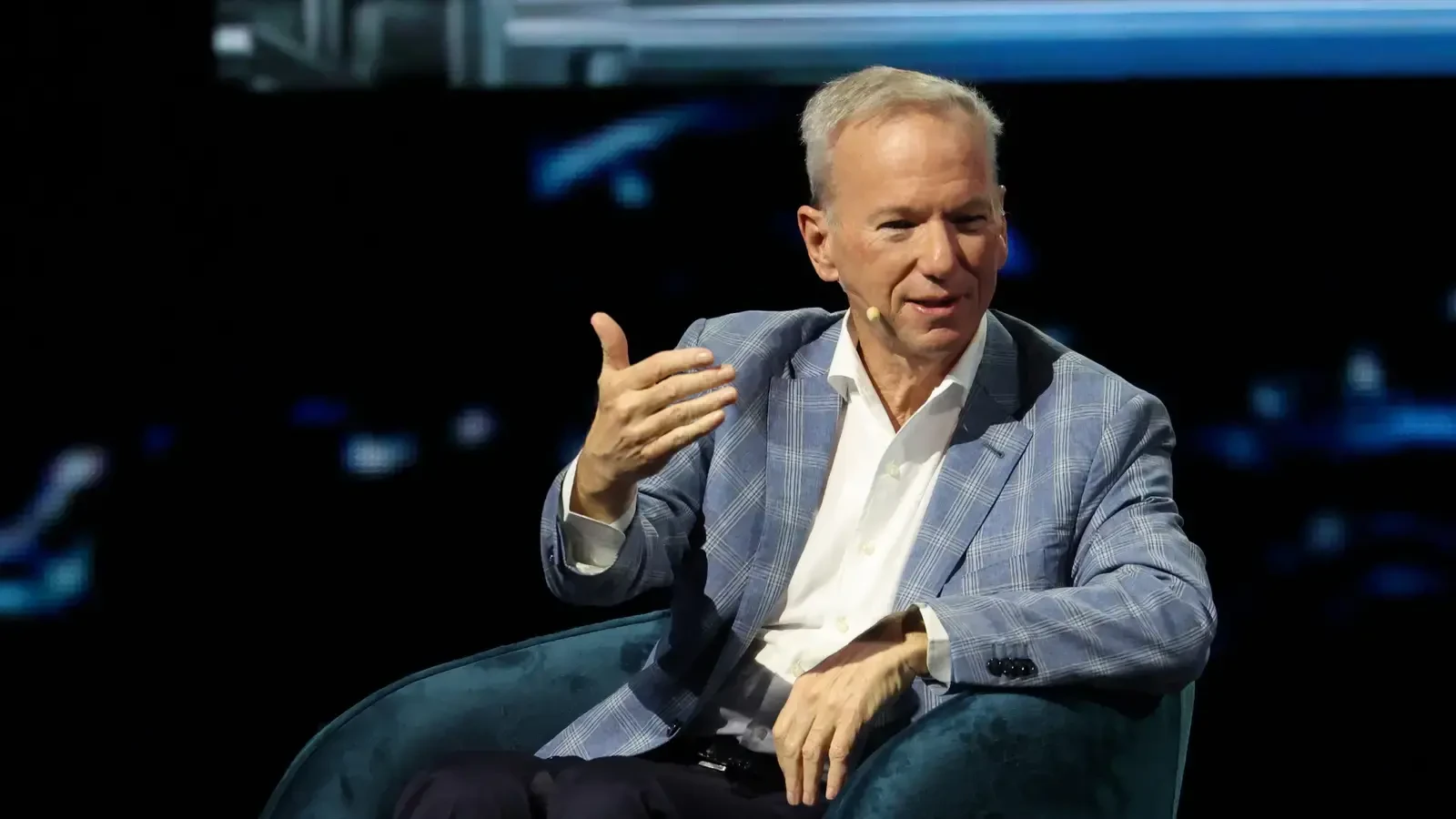
Eric Schmidt’s Early Anthropic Investment Could Pay Off as AI Valuations Soar
Former Google CEO Eric Schmidt could be among the biggest individual financial beneficiaries of the artificial intelligence boom, following reports that he owns approximately 1% of Anthropic, the company behind the Claude AI assistant.
Schmidt invested tens of millions of dollars in Anthropic’s Series A funding round in 2021, when the startup was valued at approximately $461 million. With the company now preparing for a highly anticipated initial public offering (IPO), his early investment could translate into a substantial financial windfall.
The potential return illustrates how early investments in generative AI companies are reshaping the technology investment landscape, attracting established executives, institutional investors and major technology corporations.
How Much Could Eric Schmidt’s Anthropic Stake Be Worth?
The value of Schmidt’s reported stake will depend on Anthropic’s eventual IPO valuation, the number of shares he still owns and the terms of any future transaction.
Investor discussions have reportedly considered valuations ranging from approximately $1.5 trillion to $2 trillion, although these figures are not a confirmed public offering price. At those hypothetical valuations, a 1% holding would represent a gross value of approximately $15 billion to $20 billion.
That calculation is illustrative rather than a confirmed estimate of Schmidt’s net proceeds. It does not account for potential dilution, taxes, restrictions on selling shares or any shares he may already have sold.
Neither Schmidt nor Anthropic publicly confirmed the reported holding in the initial coverage. The exact size and current status of his investment therefore remain important uncertainties.
Anthropic’s IPO Highlights the Growing Value of Generative AI
Anthropic has emerged as a major competitor in the generative AI market through Claude, its family of AI models used for tasks including writing, research, analysis, programming and business automation.
The company’s growth reflects rising enterprise demand for AI-powered productivity tools, coding assistants and systems capable of handling complex workflows. Its position in the market has also attracted significant backing from technology companies, including Amazon and Google.
An IPO could give public-market investors a new way to participate in the growth of advanced AI. It would also provide greater scrutiny of Anthropic’s revenue, operating expenses, computing commitments and long-term profitability.
However, a high private-market valuation does not guarantee a successful stock-market debut. Investor sentiment, competition, infrastructure costs and the pace of AI adoption could all influence the company’s eventual market performance.
AI Is Changing How Software Is Written
The financial excitement surrounding AI companies coincides with a major shift in software engineering. AI coding assistants are increasingly helping developers generate code, identify errors, write tests and accelerate development.
Google CEO Sundar Pichai has highlighted the extent of this transformation. In an April 2026 update, he said that approximately 75% of new code at Google was being generated by AI and subsequently approved by engineers, up from 50% the previous autumn.
The development suggests that measuring AI adoption solely by the percentage of code it generates may provide an incomplete picture. AI can influence software development even when a human engineer writes or substantially revises the final code.
For technology companies, the bigger questions concern engineering productivity, software quality, security, development costs and the ability to build products faster. Human oversight remains important because AI-generated code can contain errors, security vulnerabilities and incorrect assumptions.
What Schmidt’s Investment Means for the AI Industry
Schmidt’s reported stake demonstrates the potential rewards of identifying promising AI companies before they reach maturity. His investment dates back to a period when Anthropic’s valuation was a fraction of the figures being discussed ahead of its potential listing.
At the same time, the prospect of enormous returns raises broader questions about how the economic benefits of artificial intelligence will be distributed among founders, investors, employees, businesses and society.
As AI systems become more capable, companies are competing not only to develop advanced models but also to secure computing infrastructure, enterprise customers and skilled talent. Those requirements create substantial opportunities while introducing significant financial and operational risks.
For investors, Anthropic’s anticipated IPO could become an important test of whether the market can sustain the high valuations attached to leading AI businesses.
Eric Schmidt’s reported 1% stake could be worth billions if Anthropic achieves a multitrillion-dollar valuation. But the final outcome will depend on the company’s IPO terms, its performance in public markets and whether the rapid growth of artificial intelligence translates into sustainable long-term business value.