•
•
•
•
•
•
•

Types, labels, easy recipes and hosting tips for the zero-proof trend
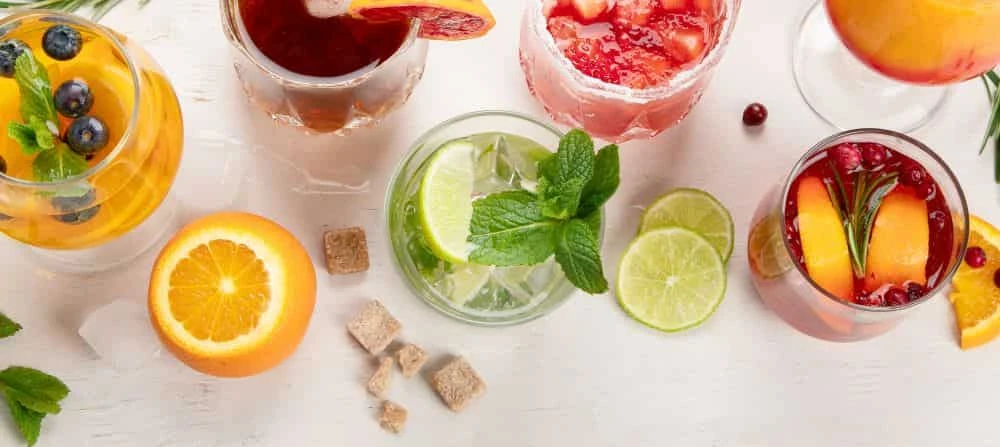
Non-alcoholic drinks include any beverage made without alcohol, from classic sodas and juices to the growing category of "zero-proof" mocktails, alcohol-free beer and wine, and alcohol-free spirits. Industry outlooks for 2026 point to growth in non-alcohol beverages alongside demand for clean labels and ingredient transparency, which helps explain why bars, shops and restaurants are expanding their alcohol-free menus.
This guide explains the main types, what makes a good alcohol-free drink, how to read labels and how to make a few at home.
Several forces are behind the shift:
| Type | What it is | Typical use |
|---|---|---|
| Mocktails | Cocktail-style drinks without alcohol | Parties, dinners |
| Alcohol-free beer | Brewed beer with the alcohol removed or limited | Casual drinking |
| Alcohol-free wine | Wine with the alcohol removed | Meals |
| Alcohol-free spirits | Botanical distillates or infusions | Cocktails and mixers |
| Functional drinks | Drinks with added ingredients such as botanicals or adaptogens | Daily wellness |
| Sparkling teas and kombucha | Fermented or brewed drinks | Everyday refreshment |
| Shrubs and sodas | Fruit and vinegar syrups, craft sodas | Mixing and sipping |
Labelling rules differ by country, so these terms do not always mean the same thing. In some markets, "alcohol-free" means no more than a trace of alcohol, while "non-alcoholic" can allow a small percentage. Always check the label for the exact alcohol by volume (ABV), especially if you avoid alcohol for health, pregnancy, medication or personal reasons. If you are unsure, ask your doctor or pharmacist.
Muddle the rosemary gently, add juice and ice, and top with sparkling water.
Muddle cucumber and mint with lime, then top with tonic and ice.
Combine apple juice and lemon over ice, add ginger beer and garnish with the cinnamon stick.
Alcohol-free does not automatically mean healthy. Many drinks contain sugar or caffeine. People who are pregnant, taking medication, or avoiding alcohol for medical or recovery reasons should check labels carefully and talk to a health professional about suitable products. Some people in recovery avoid alcohol-free versions because the taste or ritual can be a trigger, and that is a personal decision.
Not always. Some contain trace amounts, so check the stated ABV on the label.
Prices vary. Premium alcohol-free spirits can cost as much as regular spirits, while simple mocktails at home are inexpensive.
They aim to capture similar flavours through botanicals, but most taste different from traditional spirits.
Check the ABV and local rules, and avoid products with measurable alcohol if you are driving.
Non-alcoholic drinks are a fast-growing, creative part of food and beverage. Learn how labels work, choose products with ingredients you recognise, and experiment with fresh mocktails at home. Always check the exact alcohol content if it matters for your health or situation.
