•
•
•
•
•
•
•

Dates, the nine forms of Durga, daily colours, rituals and how Navratri is celebrated
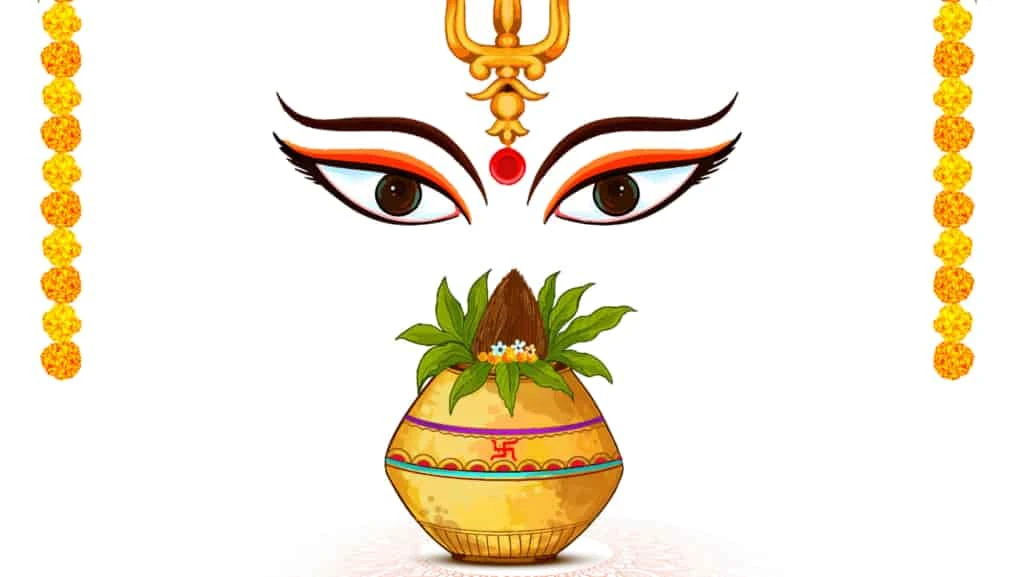
Navratri, Sanskrit for "nine nights", is a Hindu festival dedicated to the goddess Durga and her nine forms, together called Navadurga. This year Sharad Navratri, the autumn festival and the most widely celebrated of the year's Navratris, begins on Sunday, 11 October 2026 and runs through 19 October. Vijayadashami (Dussehra) follows on Tuesday, 20 October.
Navratri marks the victory of good over evil. In many traditions the nine days recall the goddess's battle with the buffalo demon Mahishasura, while in much of North India they are also tied to the story of Rama, ending with his victory over Ravana on Dussehra.
| Detail | Date |
|---|---|
| Day 1 and Ghatasthapana | Sunday, 11 October |
| Durga Ashtami (Day 8) | Sunday, 18 October |
| Maha Navami (Day 9) | Monday, 19 October |
| Vijayadashami (Dussehra) | Tuesday, 20 October |
The Ghatasthapana muhurat falls in the morning on Day 1, but clock times differ between panchangs and cities, so check a local panchang or your temple.
Each day honours one form of the goddess. The colours below are the commonly published sequence for 2026, which opens with orange because Day 1 is a Sunday. Colour customs vary by region and are optional.
"Daughter of the mountains," Shailputri is the first Navadurga and rides the bull Nandi. Devotees begin with Ghatasthapana, installing a sacred pot (kalash) and sowing barley seeds that sprout over the nine days.
Brahmacharini represents devotion, discipline and penance. She is shown with a rosary and a water pot, and prayers focus on patience and self-restraint.
Named for the crescent moon on her forehead, Chandraghanta rides a tiger and symbolises courage and protection.
Kushmanda is believed to have created the universe with her smile. Devotees pray to her for health and prosperity.
Skandamata is the mother of Skanda (Kartikeya) and is shown holding her child. She represents motherly love.
Katyayani is the warrior form and the slayer of Mahishasura. Many devotees pray to her for strength and for harmony in marriage.
The fiercest form, Kalaratri has a dark complexion and is believed to destroy ignorance and fear, even though her appearance is fearsome.
Calm and fair-complexioned, Mahagauri symbolises purity and peace. Durga Ashtami is also the day of the Sandhi Puja in Bengal and the day when many families perform Kanya Pujan.
Siddhidatri is believed to grant spiritual accomplishments. Maha Navami completes the nine days, and Kanya Pujan is also held on this day in many homes.
Vijayadashami falls on 20 October. It marks the triumph of good over evil, and many places burn effigies of Ravana. It is also considered an auspicious day to begin new ventures or learning.
Sharad Navratri runs from 11 to 19 October 2026, with Dussehra on 20 October.
Traditionally four, but Chaitra (spring) and Sharad (autumn) are the most widely observed.
No. The colour tradition is popular but not compulsory, and sequences differ by community.
The first-day ritual of installing a sacred kalash to invite the goddess for the nine days.
Navratri 2026 begins on 11 October and celebrates nine forms of Durga, from Shailputri to Siddhidatri. Dates and customs vary by region, so confirm timings with a local panchang and follow the traditions of your own family and community.
