•
•
•
•
•
•
•

Explore how blockchain stores digital records, verifies transactions, and supports applications beyond cryptocurrency.
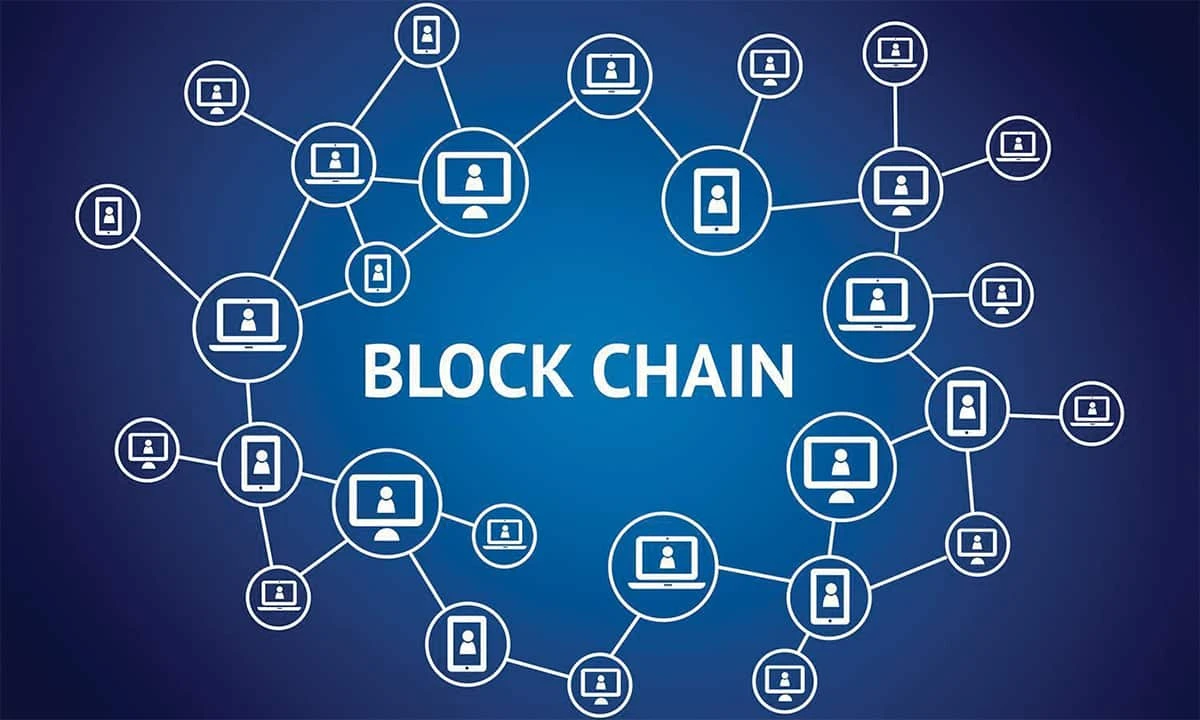
Blockchain is a digital technology that stores information in a secure, shared, and distributed ledger. Instead of keeping records in one central database, it distributes copies across multiple computers connected to a network.
Information is stored in groups called blocks, which are connected using cryptographic techniques. Once records are added and confirmed, changing them becomes extremely difficult without detection.
Although blockchain is widely associated with Bitcoin, it is also used in financial services, supply chain management, digital identity, and business applications.
Blockchain operates through a network of computers called nodes. These computers help verify transactions and maintain the shared ledger.
The process works in five steps:
Each block contains a cryptographic hash that connects it to the previous block. This structure helps protect the integrity of recorded information.
There are four common types of blockchain networks:
Blockchain has applications across several industries.
1. Banking and Finance: Supports digital payments, asset transfers, and transaction settlement.
2. Supply Chain Management: Helps businesses track products from manufacturers to distributors and retailers.
3. Healthcare: Can support secure data-sharing processes and verification of medical records.
4. Digital Identity: Helps verify digital credentials and manage identity information.
5. Smart Contracts: Automatically execute predefined actions when specific conditions are met.
Advantages:
Limitations:
| Blockchain | Traditional Database |
|---|---|
| Distributed record system | Usually centrally managed |
| Changes are traceable | Authorized users can modify records |
| Uses consensus mechanisms | Uses database permissions |
| Suitable for shared records | Suitable for centralized applications |
Blockchain is not always a replacement for traditional databases. The right choice depends on the application's requirements.
Blockchain technology provides a different way to store, verify, and share digital information. Its combination of cryptography, distributed networks, and consensus mechanisms makes it useful for applications requiring reliable shared records.
While cryptocurrency introduced blockchain to a wider audience, its potential extends to finance, supply chains, digital identity, and business automation.
This article was authored and reviewed by Wipidia's technical editorial desk in Jalandhar, Punjab. Every code snippet, algorithm breakdown, and strategic framework is independently tested against live production standards before publication.
