•
•
•
•
•
•
•

Dates, traditions and travel tips for Navratri, Durga Puja, Dussehra and the road to Diwali
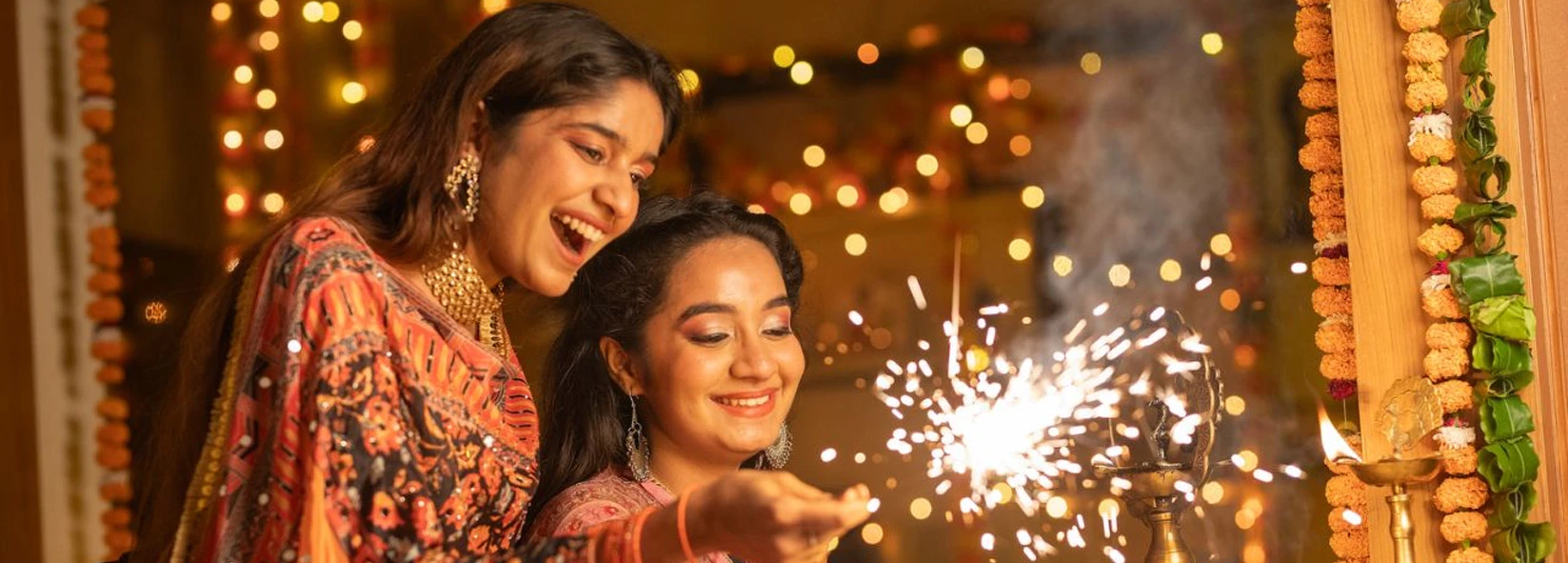
October is one of the busiest and most colorful months on the Indian festival calendar, and 2026 is no exception. As the monsoon retreats, cities and towns begin preparing for Shardiya Navratri, Durga Puja and Dussehra, followed by Sharad Purnima and Karwa Chauth. This year also brings a twist: Diwali arrives later than usual, in November. This guide covers the key dates, traditions and planning tips for the festive season ahead.
The dates below follow widely published 2026 calendars. Regional panchangs can differ by a day, so confirm local timings before planning rituals.
| Date | Festival or observance |
|---|---|
| 10 Oct | Sarva Pitru Amavasya (Mahalaya Amavasya) |
| 11 Oct | Shardiya Navratri begins, Ghatasthapana |
| 16-17 Oct | Saraswati Avahan and Saraswati Puja |
| 19 Oct | Durga Ashtami and Maha Navami |
| 20 Oct | Vijayadashami (Dussehra) |
| 25 Oct | Sharad Purnima |
| 26 Oct | Valmiki Jayanti |
| 29 Oct | Karwa Chauth |
Shardiya Navratri begins on Sunday, October 11 with Ghatasthapana, also called Kalash Sthapana, and runs through October 19. Dedicated to Goddess Durga, the nine nights are celebrated differently across regions. In Gujarat, evenings revolve around arti followed by garba and dandiya, which also drives festive travel toward cities such as Ahmedabad and Vadodara. Elsewhere, devotees observe fasts, set up stage decorations and recite or enact the legend of the goddess. Within the period, Saraswati Avahan and Saraswati Puja fall on October 16 and 17.
In West Bengal, Assam and Odisha, the spotlight falls on Durga Ashtami and Maha Navami on October 19, with Sandhi Puja observed around Ashtami. Kolkata is especially known for pandal hopping, when neighborhoods build elaborate temporary structures to host the goddess and visitors move from one display to the next. The celebrations conclude with Vijayadashami on October 20.
Dussehra, also called Vijayadashami, falls on Tuesday, October 20. It marks the culmination of Navratri and is associated with the victory of good over evil, including Lord Rama's victory over Ravana in popular tradition. Mysuru Dasara in Karnataka takes place around this period, and Ayudha Puja is observed on October 20 in Tamil Nadu, Karnataka and Andhra Pradesh. Many families also treat the day as especially auspicious for new beginnings.
Because 2026 is an adhika masa, or leap-month, year in the Hindu lunisolar calendar, the Kartik festivals shift later. Dhanteras falls on Friday, November 6, and Diwali (Lakshmi Puja) on Sunday, November 8, followed by Chhath from November 13 to 16. Some online calendars list different October dates for Diwali, so check a trusted regional panchang before making plans.
The festive season is not a single block of travel demand. Several patterns stand out:
Booking trains and flights early, and checking the days on either side of each peak, can save both money and stress.
After Dussehra, the calendar continues with Sharad Purnima on October 25, associated with Kojagara Puja, and Valmiki Jayanti on October 26. Karwa Chauth follows on October 29, and those who observe the fast usually prepare in advance.
From the first night of Navratri on October 11 to Dussehra on October 20 and the late-October observances that follow, the coming weeks are full of music, devotion and gatherings. With Diwali arriving on November 8, the festive season stretches across two months this year. A little planning around dates, travel and local customs will help families and visitors enjoy it fully.
Based on publicly available festival calendars as of 3 October 2026. Dates may vary by region and panchang.
