•
•
•
•
•
•
•

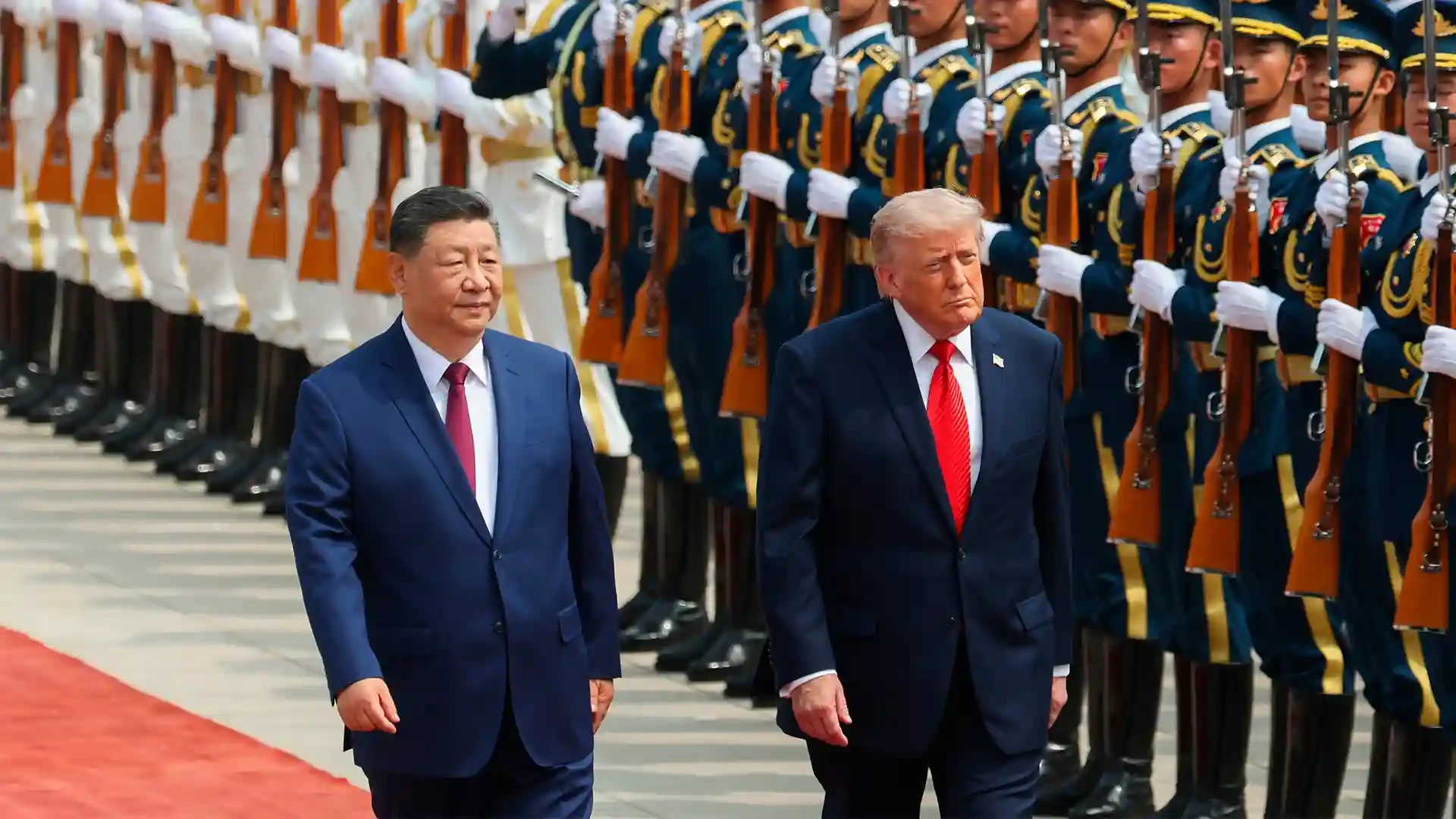
Chinese President Xi Jinping is heading to Washington for a closely watched meeting with U.S. President Donald Trump, as both countries seek greater stability in a relationship shaped by tariffs, trade disputes and wider geopolitical tensions.
The September 24 summit follows preparations between senior U.S. and Chinese officials. Recent discussions have included trade and possible cooperation on artificial intelligence, while Washington and Beijing continue to work through disagreements over tariffs and market access.
One of the major developments surrounding the summit is the continued strength of China's international trade.
According to Reuters, China's global trade surplus is on track to exceed $1 trillion for a second consecutive year, despite U.S. efforts to reduce China's trade advantage through tariffs and other measures. Reuters also reported that more than half of roughly 6,500 product categories China has sold to the United States this year have recorded growth compared with 2025.
The figures highlight the scale of China's export sector as Trump and Xi prepare to negotiate.
A central question for the summit is whether the two countries will extend an existing trade truce that helped prevent another major escalation in their tariff dispute.
U.S. officials have indicated that agriculture and non-tariff barriers could feature in discussions, while businesses and financial markets are watching for progress on tariff reductions and additional purchases of U.S. products.
Any agreement could have consequences beyond the two countries because China and the United States are major participants in global supply chains.
Artificial intelligence is also emerging as a new area of U.S.-China dialogue. U.S. Treasury Secretary Scott Bessent recently proposed a mechanism for the two countries to notify each other about AI incidents that could create national-security risks.
Other sensitive issues, including Taiwan, are expected to remain part of the broader diplomatic discussions. Reuters reported that the two sides have different priorities, with Washington seeking progress on trade and other economic issues while Beijing continues to place importance on Taiwan and broader strategic concerns.
The September 24 meeting will therefore be closely watched for signs of whether Washington and Beijing can maintain a more stable economic relationship.
The immediate focus is likely to be on trade, tariffs and economic cooperation, while AI and geopolitical issues could test the limits of that stability.
For global businesses and markets, any change in U.S.-China trade policy could affect supply chains, exports, technology and the cost of goods.