
Wellness Travel Booms: Reset-Jetters, Glowcations and the $894 Billion Market

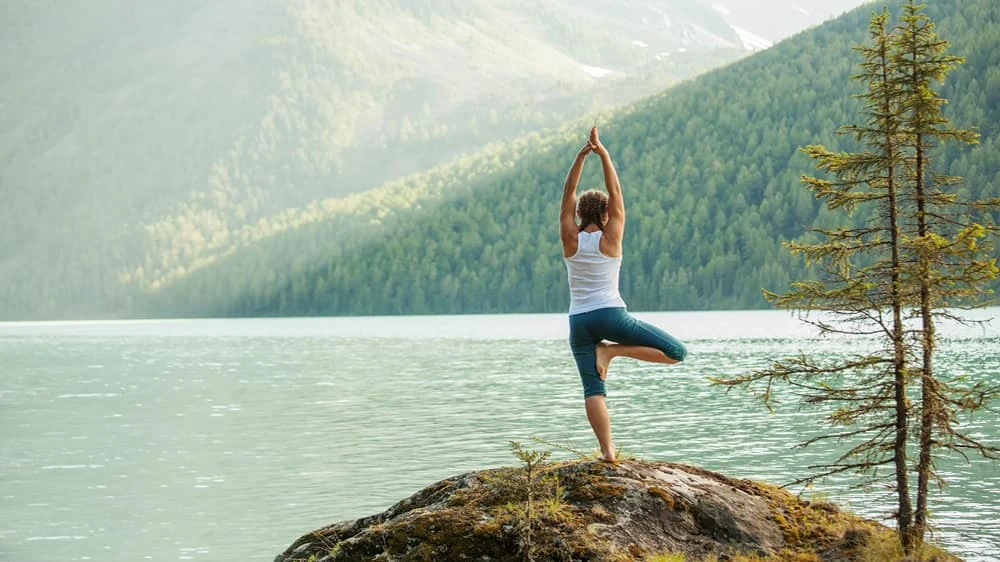
Wellness Travel Keeps Growing as "Reset-Jetters" Swap Sightseeing for Rest
Wellness has moved from a holiday add-on to a core reason people travel, according to industry reports published this year. Spas, hotels, cruise lines and airports are now redesigning their offerings around rest, recovery and longevity, and travellers are responding.
The Numbers
The Global Wellness Institute valued the international wellness industry at US$6.8 trillion in 2024, with wellness tourism accounting for US$894 billion, up from US$830 billion the year before. These are the most recent full-year figures cited in 2026 travel coverage, so they describe the market as it stood two years ago, not today.
What "Reset-Jetters" Want
Travel platform Skyscanner has used the term "reset-jetters" for people who travel to recover energy, not to pack in activities. Travel psychologist Lee Chambers, quoted in the coverage, said wellness is often framed as more things to do or consume, which helps explain interest in trips built around resting and managing energy.
Several related trends have emerged:
- Slow travel: fewer destinations, longer stays and less rushing between sights.
- "Glowcations": trips built around longevity retreats, forest immersion or mineral hot springs.
- "Cool-cations": heading to cooler or higher-altitude places to escape extreme summer heat.
- Wild wellness: outdoor, nature-based experiences instead of hotel gyms and spas.
- Self-care and beauty: treatments and routines becoming part of the itinerary.
Industry Response
Travel companies are adjusting. Hotels are building wellness into room design and dining, and some operators are adding sleep, sauna and cold-exposure facilities. Event organisers are also joining in: the fitness competition brand Hyrox announced plans for a fitness cruise scheduled for October 2026, combining training with time at sea, according to Global Wellness Summit news.
A travel loyalty report from Priority Pass also argued that wellness is no longer an add-on but part of the journey from check-in to touchdown, and noted the growth of domestic travel and music-led trips.
A Note of Caution
"Wellness" is a broad and loosely defined term. Some products and retreats offer genuine benefits such as rest, exercise and time outdoors, while others make health claims that aren't backed by strong evidence. Travellers considering expensive programmes should check the provider's credentials, read independent reviews and speak to a doctor if they have a medical condition.
Tips for Planning a Restful Trip
- Choose fewer stops and leave unscheduled days.
- Look for nature access, such as parks, coasts or mountains.
- Plan sleep: book quiet rooms and avoid late-night travel.
- Set a screen limit if switching off is part of the goal.
- Compare costs, since retreats can be pricey and local alternatives are often cheaper.
Why It Matters
The shift reflects a wider move in lifestyle trends toward less hustle and more intentional living. For travel businesses, wellness is a growth market. For travellers, the challenge is separating meaningful rest from marketing.
Figures come from the Global Wellness Institute as cited in travel coverage. Check the original reports for details.