•
•
•
•
•
•
•

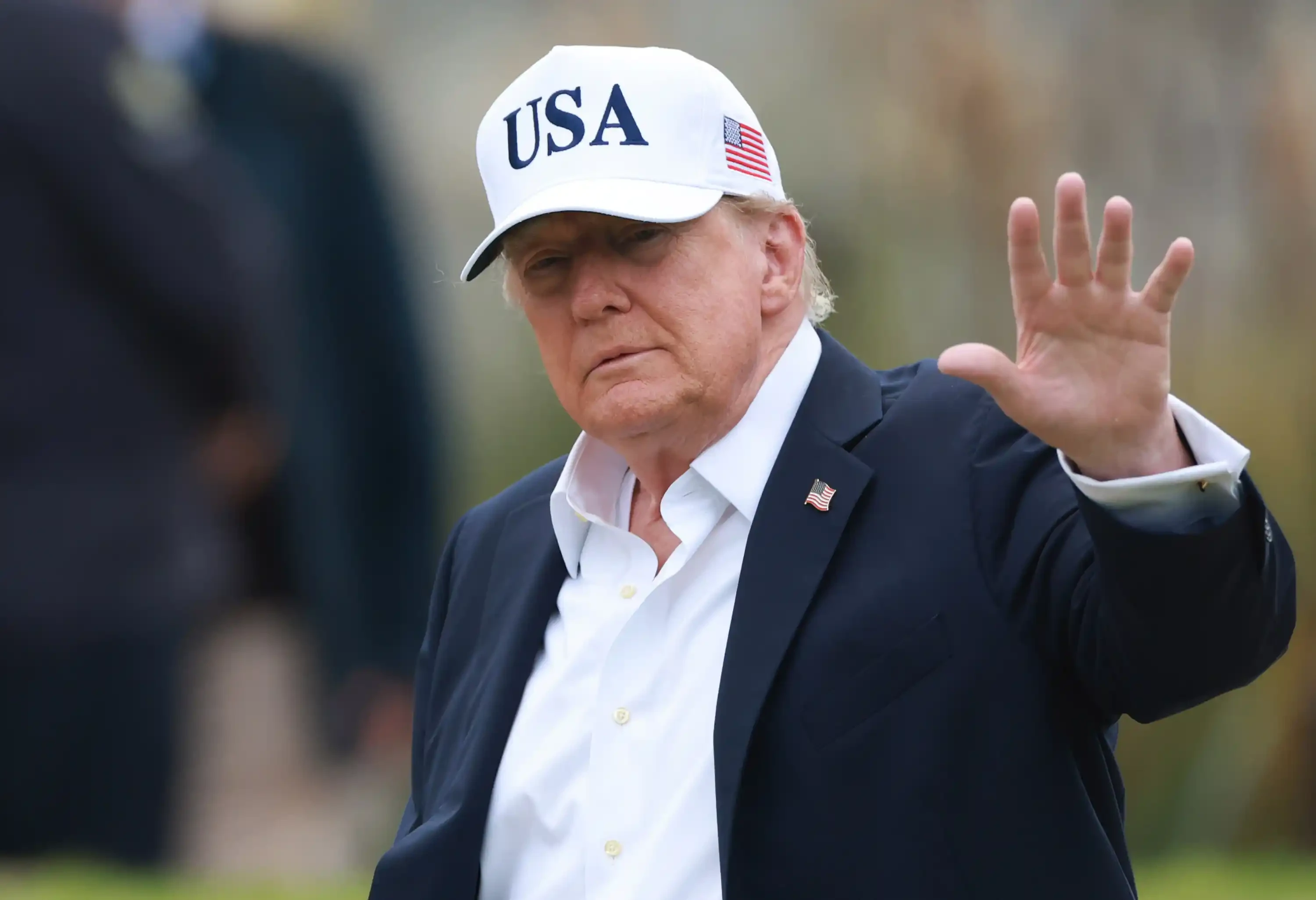
US-Iran tensions have intensified after President Donald Trump rejected Iran’s latest diplomatic proposal to reopen the Strait of Hormuz and restart talks.
Iran presented the proposal during the United Nations General Assembly in New York, with the initiative reportedly conveyed to Washington through mediators including Qatar. Tehran proposed reopening the strategic waterway within seven days as part of a broader agreement to halt hostilities and resume negotiations.
Trump said he had rejected the proposal, arguing that Iran was seeking an agreement because of the economic pressure created by the US blockade and sanctions.
Under the proposal, Iran would reopen the Strait of Hormuz within seven days if Washington met a number of conditions.
Reported elements included:
Al Jazeera reported that Iran's proposal included the release of an estimated $12 billion in frozen Iranian assets and the removal of restrictions affecting Iranian oil sales.
Iran has also linked the proposal to the previous June memorandum of understanding, which later collapsed amid disagreements between the two sides.
Despite Trump's rejection, Iranian officials have said Tehran is not withdrawing its proposal.
Foreign Minister Abbas Araghchi said Iran had seen Trump's public comments but had not yet received a formal response through the mediators.
He said reopening the Strait of Hormuz would remain conditional on Iran's demands being met and stressed that Tehran remained open to diplomacy.
This leaves the two sides publicly committed to diplomacy while remaining divided over the conditions required to restart negotiations.
The Strait of Hormuz is one of the world's most important energy shipping routes. Disruption in the waterway can affect oil and gas shipments from the Gulf and create wider consequences for international energy markets.
Recent fighting and restrictions around the strait have already disrupted shipping activity. Al Jazeera reported that the waterway remains heavily restricted, while Washington and Tehran have presented different accounts of the level of control and commercial traffic passing through it.
Any prolonged disruption could therefore affect oil prices, shipping costs and global energy security.
Analysts cited by Al Jazeera said the Trump administration may believe that continued economic and military pressure could lead Tehran to offer more concessions.
The US has increased pressure on Iran through sanctions and a naval blockade, while Washington has maintained that Iran must make significant concessions, particularly regarding its nuclear programme.
However, analysts also point to risks for Washington. Prolonged disruption around Hormuz could keep energy prices elevated and increase pressure on the US and its regional partners.
These are analysts' assessments rather than confirmed explanations of the administration's internal decision-making.
The rejection of the proposal has raised concerns that the confrontation could continue around the Strait of Hormuz and other regional shipping routes.
Al Jazeera reported that analysts expect continued pressure on maritime traffic and regional infrastructure if negotiations fail to produce an agreement.
At the same time, Iran continues to say that diplomacy remains possible, creating a situation in which negotiations and military tensions are developing simultaneously.
The immediate focus will be on whether US-Iran negotiations resume and whether mediators can bridge the differences over sanctions, the blockade, Iran's nuclear programme and the reopening of Hormuz.
Iran says its conditions remain unchanged, while Trump has rejected the current proposal but has also indicated that he remains interested in reaching a deal.
For global markets, the key issue will be whether shipping through the Strait of Hormuz returns to normal. Any further escalation could add pressure to oil markets and international trade.
For now, the diplomatic gap between Washington and Tehran remains significant, while the strategically vital waterway continues to be at the centre of the conflict.