
United Airlines CEO Scott Kirby Faces Backlash Over Wealth Tax Proposal

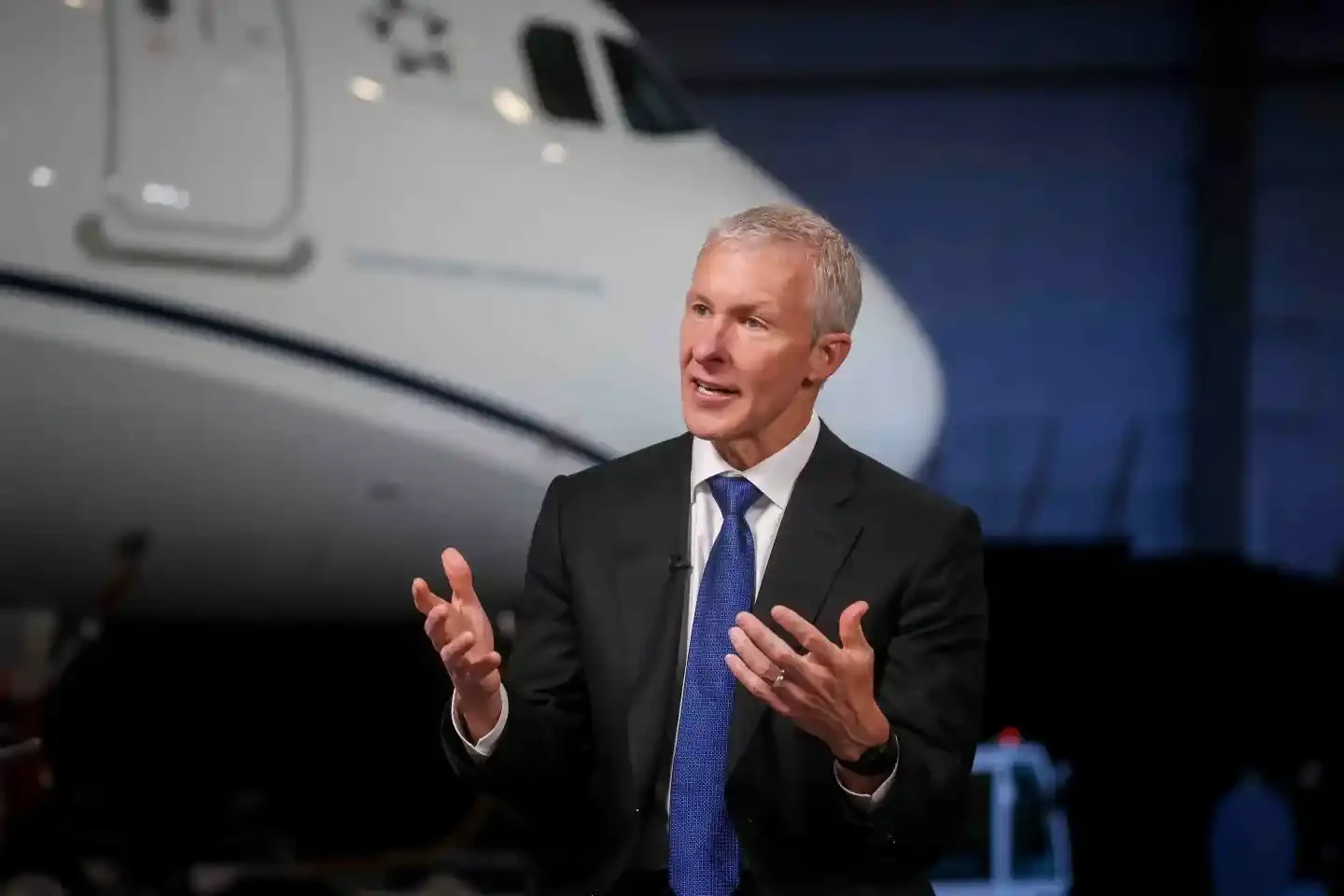
United Airlines Chief Faces Criticism After Calling for Higher Taxes on the Wealthy
United Airlines CEO Scott Kirby has triggered a national debate over economic inequality, executive compensation and tax policy after advocating for a federal wealth tax and inheritance taxes that could approach 100% at certain wealth levels.
Kirby's remarks have attracted criticism from conservative political figures and commentators, while reigniting discussions about whether America's wealthiest individuals should contribute more towards addressing economic disparities. The controversy has also drawn attention to the airline executive's own multimillion-dollar compensation and United Airlines' pricing policies.
What Did Scott Kirby Say About Wealth Taxes?
In an interview published on October 18, 2026, Kirby argued that growing wealth inequality had become a serious threat to American society and required a national response.
He called for a federal wealth tax, arguing that a state-by-state system would be less effective because wealthy individuals could relocate to jurisdictions with lower taxes. He also expressed support for inheritance taxes approaching 100% at certain levels, adding that he would be willing to pay such taxes himself.
Kirby did not specify the wealth threshold, tax rate or precise structure he would support. His comments therefore represent a broad policy position rather than a detailed legislative proposal.
A wealth tax generally applies to the value of assets a person owns, while inheritance taxes apply to wealth received by beneficiaries. Estate taxes, by contrast, are imposed on an estate before its assets are distributed. These distinctions matter when evaluating how any proposed tax system might operate.
Why Is the United Airlines CEO Facing Backlash?
Kirby's statements quickly attracted criticism from conservative commentators and political figures, including Louisiana Governor Jeff Landry and senior Justice Department official Harmeet K. Dhillon.
Landry challenged the executive to demonstrate his commitment through personal financial contributions. Dhillon, meanwhile, joined the online criticism by highlighting problems she said she had experienced with United's onboard Wi-Fi.
Other critics questioned the consistency between Kirby's support for higher taxes on the wealthy and the airline industry's pricing practices, including additional charges for preferred seating.
Some social media users also called for a boycott of United Airlines, while others argued that the CEO should focus more directly on passenger concerns, such as ticket prices, service quality and reliability.
The reaction illustrates how statements about taxation can become broader debates about corporate accountability, particularly when executives speak about economic fairness.
CEO Compensation Puts Wealth Inequality Under the Spotlight
Kirby's compensation has become a central part of the discussion. According to United Airlines' 2026 proxy statement, his total compensation for 2025 was approximately $32.28 million, including salary, stock awards and performance-based incentives.
The company's reported median employee compensation was approximately $96,670, creating a substantial gap between the CEO's remuneration and the median employee figure.
Critics have pointed to this difference when questioning how corporate leaders define economic fairness. Supporters of higher taxes on wealthy individuals argue that the concentration of wealth warrants stronger measures to distribute the tax burden.
However, executive compensation and the design of a wealth tax are separate policy questions. A person's salary, stock-based compensation and accumulated assets are not interchangeable measures, and the tax treatment of each depends on the applicable rules.
Kirby's comments have nevertheless placed the relationship between corporate leadership, employee compensation and economic inequality at the centre of the public conversation.
How Does the Proposal Compare With Current US Tax Policy?
The United States does not currently impose a general federal annual tax on an individual's total net worth. Instead, the federal system taxes income and certain financial transactions, alongside estate and gift taxes.
For 2026, the federal estate tax generally has a top marginal rate of 40%, with a basic exclusion amount of $15 million per individual, subject to applicable rules.
A national wealth tax would represent a significant policy change because it could tax qualifying assets even when those assets have not been sold and have not generated realised income. Such a system would raise questions about asset valuation, liquidity, enforcement and potential constitutional challenges.
Inheritance taxation also raises questions about thresholds, exemptions and the treatment of family businesses and other assets.
Kirby's proposal does not establish how these issues should be resolved. Any actual reform would require detailed legislation and consideration of its economic and legal consequences.
Airline Pricing Adds Another Dimension to the Controversy
The debate has extended beyond taxation because Kirby also defended United's practice of charging extra for certain seating options.
The airline's position is that passengers who want particular services or seats can pay for them, allowing customers to choose the level of service they prefer.
Critics have questioned whether such additional charges make flying less affordable, particularly for passengers who already face rising travel expenses. The disagreement reflects a broader tension in the airline industry between operating costs, revenue generation and customer expectations.
For travellers, the immediate issue remains the total cost of a journey, including the base fare, seat selection, baggage and other optional services. Kirby's tax comments do not directly change these charges, but the controversy has connected the airline's commercial practices with wider questions about fairness.
What Happens Next?
Kirby's remarks have intensified the debate over whether the United States should change how it taxes accumulated wealth and large inheritances. However, no specific federal wealth-tax plan has emerged from his comments alone.
The discussion is likely to remain relevant as policymakers, businesses and voters consider income inequality, public revenue and the role of wealthy individuals in funding government services.
For United Airlines, the controversy presents a reputational challenge as public attention shifts between its leadership's policy views, executive pay and customer experience.
Ultimately, the dispute highlights a wider question facing American business: how corporate leaders can address concerns about economic inequality while maintaining public confidence in their companies and their own leadership.