
Trump’s New Press Secretary Katie Zacharia Faces Questions Over Lawyer Credentials After China Bar Exam Remark

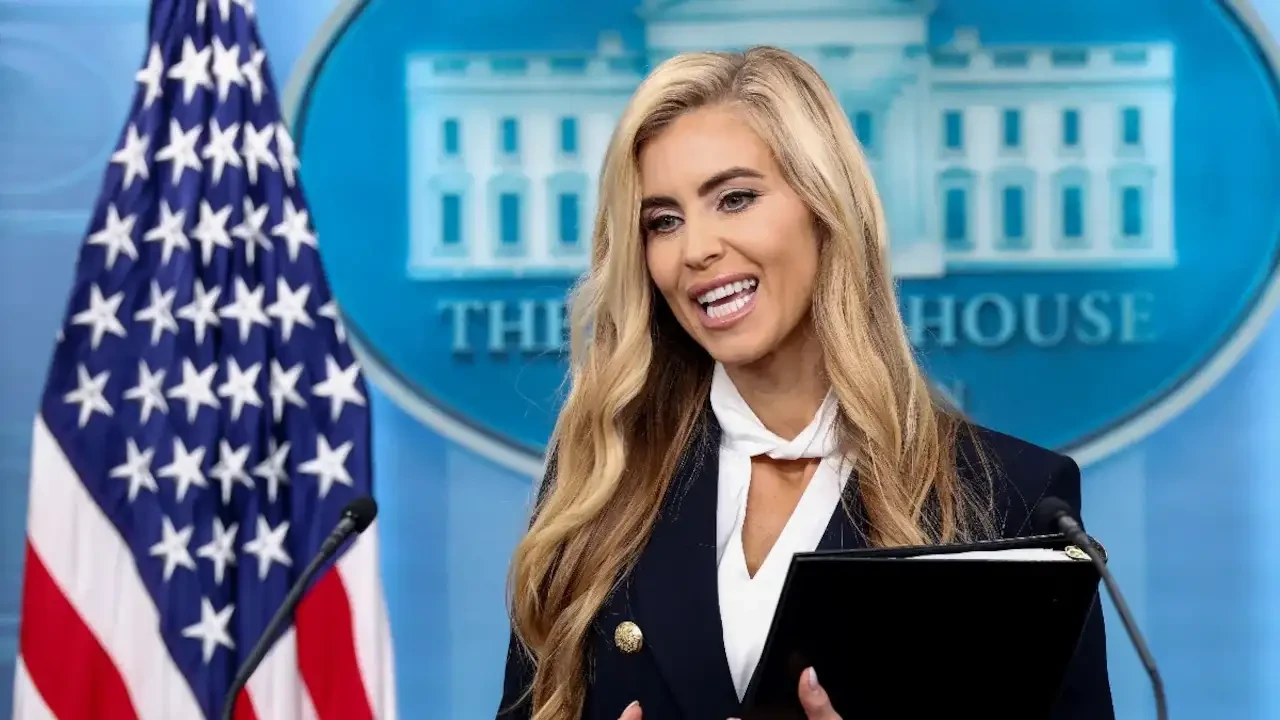
Katie Zacharia Under Scrutiny After First White House Briefing
US President Donald Trump’s newly appointed White House press secretary, Katie Zacharia, is facing growing scrutiny over her legal credentials following a confusing exchange with reporters during her first official press briefing on October 13, 2026.
Zacharia, who has publicly described herself as a lawyer, was asked where she had passed the bar examination—a key requirement for practising law in the United States. Her response, “When I moved to China,” raised further questions because she did not identify a US state or another jurisdiction where she was admitted to practise.
The exchange quickly attracted media attention, turning her first appearance at the White House briefing podium into a debate about her professional background and the accuracy of her public credentials.
What Do We Know About Katie Zacharia’s Legal Background?
Zacharia graduated from Pepperdine University’s Caruso School of Law in 2011. Her professional history also includes work at Zhong Lun Law Firm in Beijing, where she was reportedly an associate between 2011 and 2013.
Her experience in China and her work involving international transactions have featured in descriptions of her professional background. However, earning a law degree and working in a legal environment do not automatically establish that someone is licensed to practise law in the United States.
Reviews of attorney registration records in several jurisdictions—including California, New York, Texas, Florida and Washington, DC—reportedly found no listing under Zacharia’s name. Independent reporting has also questioned whether she has ever been admitted to a US state bar.
These findings have not, by themselves, established that she never took any bar examination. The central unresolved issue is whether she holds the professional admission or licence that would support her repeated description of herself as an attorney.
Why Did Her China Bar Exam Answer Raise Questions?
In the United States, lawyers generally must satisfy the licensing requirements of the relevant state or jurisdiction before practising law there. Bar admission is separate from completing a law degree.
China also has its own legal qualification system, with requirements that differ from those in the United States. Consequently, a statement about passing a bar exam after moving to China does not, on its own, clarify whether a person is licensed to practise law in America.
The White House responded to questions about Zacharia’s background by referring to her move to China with her husband after graduation and her work on international transaction law. However, that explanation did not clearly identify the jurisdiction in which she passed a bar examination or confirm a US bar admission.
The distinction matters because Zacharia’s legal background has been presented publicly as part of her professional profile. Clear documentation would help resolve the questions now surrounding her credentials.
Awkward Debut Adds to Media Attention
The controversy emerged during a short first briefing that also drew attention for its tightly scripted format and limited question-and-answer session. Zacharia discussed the Trump administration’s policies and expressed her support for the president.
During the appearance, she also accidentally referred to Trump as “my president” before correcting herself to “my husband” while discussing the challenge of balancing family life and her new responsibilities. The verbal slip quickly became another talking point on social media.
While the moment attracted jokes and criticism, the questions about her legal qualifications are more substantive because they concern verifiable professional credentials.
What Happens Next for Trump’s Press Secretary?
As White House press secretary, Zacharia is responsible for communicating the administration’s position to journalists and the public. The role places her under regular scrutiny, making transparency about her professional background particularly important.
The White House may face further questions about her legal education, past employment and whether she holds a valid licence to practise law in any US jurisdiction. A clear explanation and supporting documentation could help settle the controversy.
For now, the available reporting points to an unresolved question rather than a definitive finding of misconduct. Zacharia’s law degree and reported legal work are distinct from the question of bar admission, and those issues should not be treated as interchangeable.
Her first briefing has therefore put both her communication style and her professional history under the spotlight. Whether the controversy fades or grows will likely depend on how directly the White House and Zacharia address the questions surrounding her legal credentials.