•
•
•
•
•
•
•

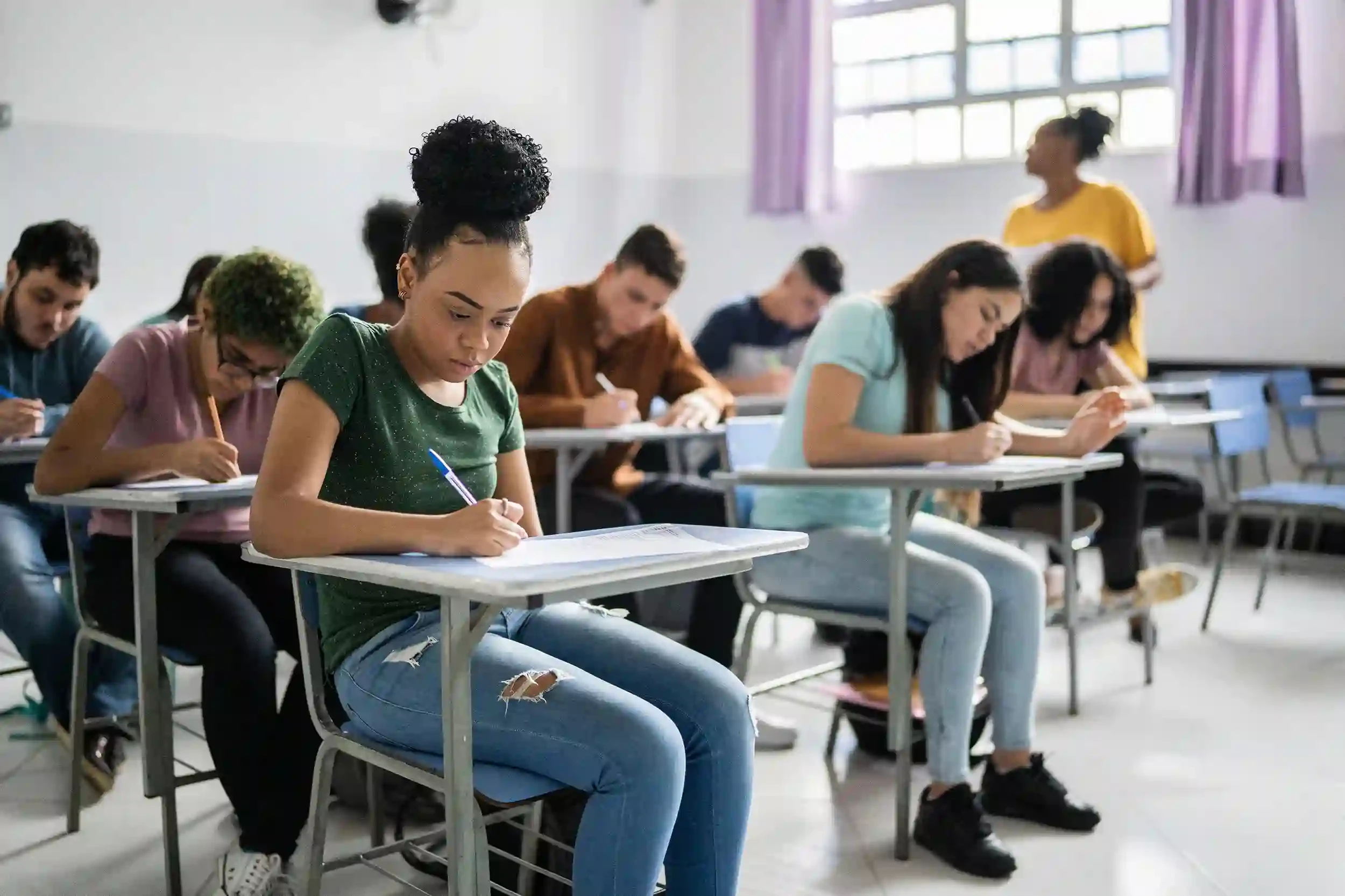
Mexico has announced nationwide rules restricting cellphone use in schools, with the new measures scheduled to take effect on November 3, 2026.
Under the policy, students in basic education will not be allowed to use mobile phones during the school day. High schools will establish their own limits for responsible and safe educational use, while universities will be encouraged to promote responsible digital citizenship.
Mexico's Education Ministry said the policy followed consultations with educators and state authorities. According to the ministry, 81% of teachers surveyed supported restrictions on cellphone use in schools.
Officials said the goal is to reduce indiscriminate screen use and strengthen students' attention, learning, human interaction and classroom engagement.
New York City Public Schools has also introduced new technology restrictions for the 2026–27 school year.
Under the policy, student-facing generative AI is banned for students from 2K through Grade 8, while high-school students can access a limited number of approved and supervised AI programmes.
Screen use is also being limited for younger students. NYC schools recommend no individual screen time for Grades 2K–2, no more than 30 minutes a day for Grades 3–5, and no more than 45 minutes a day for Grades 6–8. These restrictions do not prevent the use of assistive technology required for students with disabilities or other approved educational purposes.
The city says the objective is not to remove technology from education altogether, but to make sure digital tools support learning without replacing reading, writing, discussion, collaboration and teacher-student interaction.
The changes in Mexico and New York City come as education systems worldwide reconsider how much technology students should use during the school day.
UNESCO has described school cellphone restrictions as a rapidly expanding global policy trend, with governments increasingly examining the relationship between smartphone use, classroom distraction and student wellbeing.
At the same time, schools continue to use technology for accessibility, coding, research, digital learning and other educational purposes. The emerging approach is therefore increasingly focused on controlled and purposeful technology use rather than unrestricted device access.