•
•
•
•
•
•
•

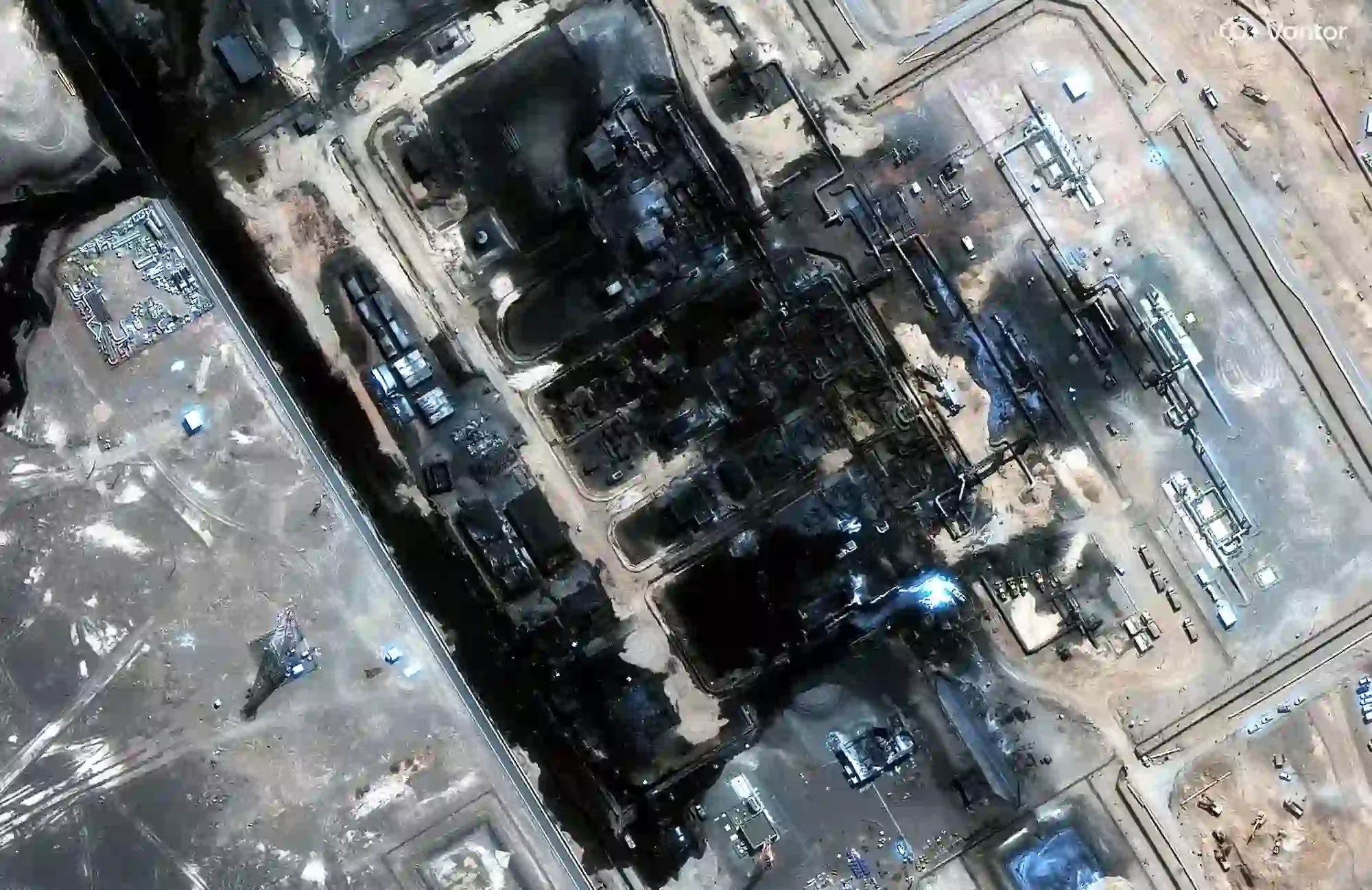
Saudi Arabia's decision to temporarily shut its East-West oil pipeline has intensified concerns about the stability of global energy supplies. The pipeline stretches across the kingdom and connects oil-producing areas in the east with export facilities on the Red Sea.
Recent satellite imagery indicates substantial damage around a pumping station along the pipeline route. Energy-market analysts say the pumping infrastructure could take several weeks to repair, depending on the availability of replacement equipment and the condition of regional supply chains.
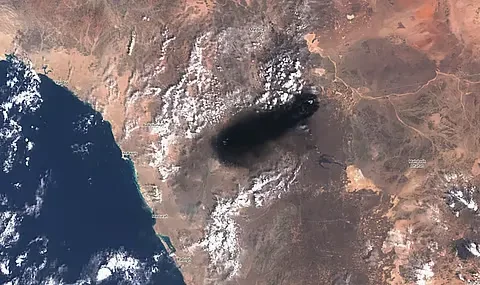
The pipeline is particularly important because it provides Saudi Arabia with an alternative route for exporting crude without relying entirely on shipping through the Strait of Hormuz. The waterway has already faced severe disruption because of the wider regional conflict.
The shutdown has added another layer of uncertainty to the international oil market. Brent crude climbed above $108 a barrel as traders assessed the potential impact of reduced Saudi export capacity and other disruptions across the region.
Saudi authorities have said the pipeline was shut as a precaution after multiple attacks. Reports indicate that the attacks involved drones, while responsibility and the precise circumstances surrounding the strikes remain subjects of competing claims.
The wider security situation has also affected Saudi Arabia and Yemen. Houthi forces have continued attacks involving missiles and drones, while Saudi-led forces have carried out strikes in Yemen. The escalation has increased concerns about important energy and shipping routes around the Red Sea and the Bab el-Mandeb Strait.
The pipeline disruption comes at a sensitive time for the global oil market. Analysts are closely monitoring Saudi Arabia's ability to redirect exports through alternative routes and the speed at which damaged infrastructure can be restored.
For consumers and businesses, a prolonged disruption could mean continued pressure on crude prices and, potentially, higher costs for fuel, transportation and other energy-intensive industries. However, the eventual market impact will depend heavily on the duration of the outage, available inventories and the ability of producers to compensate for lost supply.