•
•
•
•
•
•
•

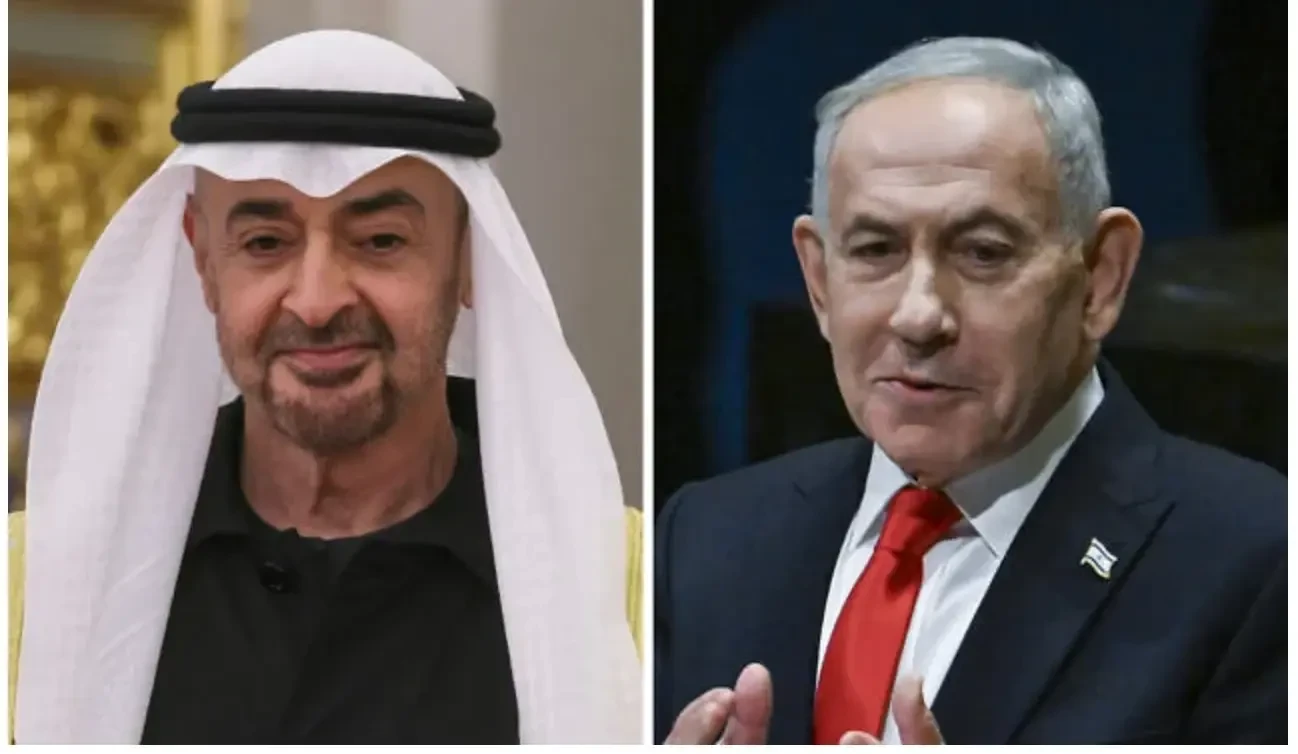
Saudi Arabia on Wednesday, September 30, denied reports that a Saudi representative met Israeli Prime Minister Benjamin Netanyahu during his recent visit to the United Arab Emirates.
The reports emerged after Netanyahu travelled to Abu Dhabi and met UAE President Sheikh Mohamed bin Zayed Al Nahyan. The UAE and Israel confirmed the visit, with the Emirati state news agency saying the two leaders discussed bilateral relations and ways to strengthen ties, along with broader regional challenges.
However, claims subsequently circulated that the meeting was followed by an expanded gathering involving representatives from Saudi Arabia and other Arab countries.
A senior Saudi official rejected those reports, saying that no Saudi representative had attended such a meeting. Saudi Arabia also denied reports involving representatives from other countries.
The original reports, attributed to Israeli media, suggested that officials from several regional countries had participated in discussions after Netanyahu's meeting with the UAE president.
According to the reports, the alleged talks were connected to major regional security issues, including Iran, Yemen's Houthi movement and air defence cooperation.
Saudi Arabia's denial directly challenges the claim of its participation. Jordan has also denied that its officials attended the reported gathering, while Israeli outlet Ynet subsequently said it could not confirm that the meeting had actually taken place.
This distinction is important because Netanyahu's UAE visit itself is not disputed. The UAE officially confirmed that Sheikh Mohamed met Netanyahu, while the reported participation of additional Arab representatives remains denied by the countries named in the reports.
Netanyahu's visit to Abu Dhabi came amid heightened tensions across the Middle East, particularly surrounding Iran.
Reuters reported that Netanyahu's meeting with Sheikh Mohamed lasted several hours and focused heavily on regional issues, including Iran. The visit also came as the UAE and Saudi Arabia faced a complicated regional security environment involving Iran-backed groups and broader concerns about Gulf security.
The timing is significant because Saudi Arabia and the UAE have both been navigating their relationships with Israel, Iran and the United States while facing security and economic pressures linked to the wider conflict.
At the same time, Saudi Arabia and the UAE have recently shown signs of renewed high-level engagement with each other. UAE Vice President Sheikh Mansour bin Zayed Al Nahyan visited Saudi Arabia on September 29 and met Crown Prince Mohammed bin Salman and Saudi Defence Minister Prince Khalid bin Salman. Reuters said the talks covered regional developments and ways to strengthen cooperation.
The diplomatic controversy comes against the backdrop of an increasingly tense regional situation.
Iran has warned the UAE of what it described as potentially serious consequences following Netanyahu's visit to Abu Dhabi. Tehran's Foreign Ministry criticised the Israeli prime minister's presence in the UAE and warned regional countries about what it sees as the security implications of closer Israeli engagement in the Gulf.
The developments are also unfolding alongside continuing tensions surrounding the Strait of Hormuz, a crucial route for global energy shipments.
The Indian Express reported that oil flows through the Strait and alternative routes had recovered significantly in September, while Saudi Arabia had repaired its East-West pipeline, allowing some crude exports to bypass Hormuz.
For now, the confirmed element is Netanyahu's meeting with the UAE president. Claims that Saudi representatives participated in a broader meeting remain disputed and have been explicitly rejected by Saudi Arabia.
The episode highlights the sensitivity surrounding Saudi-Israel relations, UAE-Israel ties and Gulf security as regional governments respond to the continuing conflict involving Iran and its regional rivals.
Saudi Arabia's denial also underscores the importance of distinguishing confirmed diplomatic meetings from reports that remain unverified or have subsequently been retracted.
| Detail | Information |
|---|---|
| Main development | Saudi Arabia denied reports of a Saudi representative meeting Netanyahu |
| Israeli PM | Benjamin Netanyahu |
| UAE President | Sheikh Mohamed bin Zayed Al Nahyan |
| Location of confirmed meeting | Abu Dhabi, UAE |
| Reported additional participants | Saudi Arabia and other regional countries |
| Saudi position | Denied that a Saudi representative attended |
| Other regional issue | Iran and regional security |
| Key concerns reported | Iran, Houthis and air defence