•
•
•
•
•
•
•

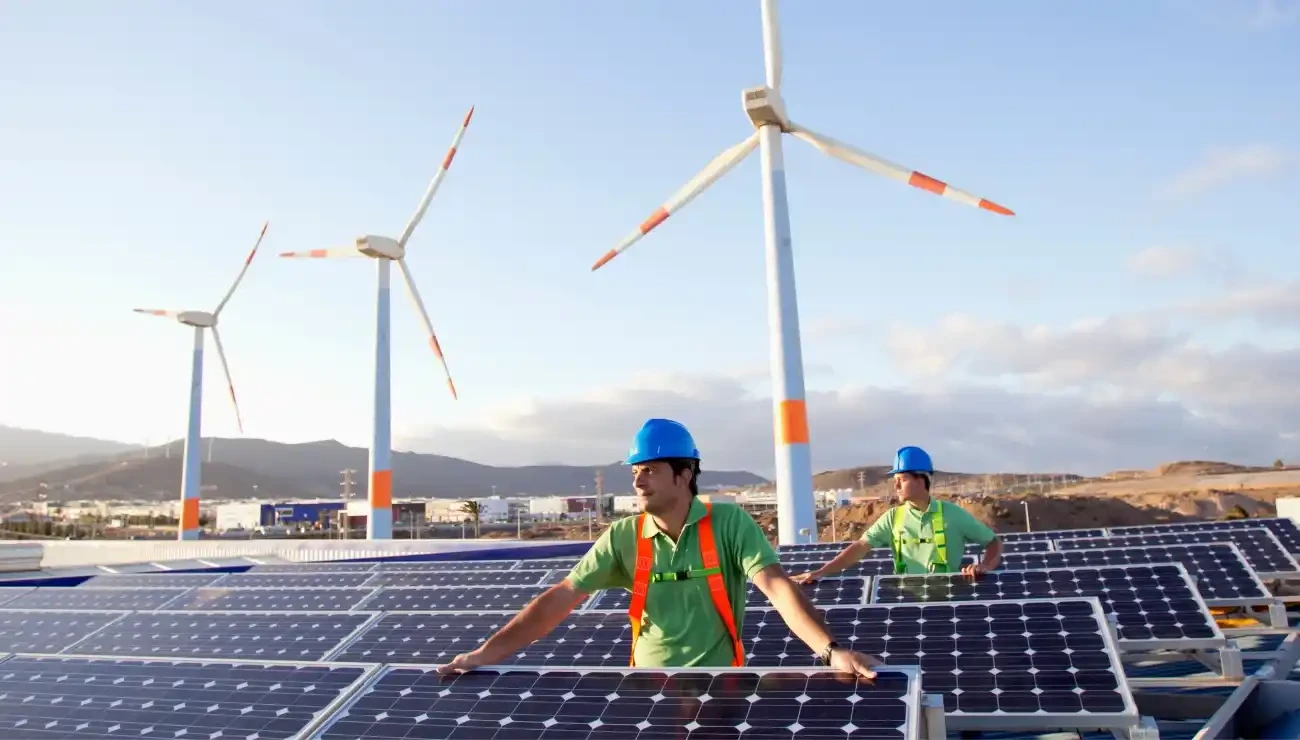
Global renewable energy capacity has continued to expand through 2026, according to ongoing tracking by international energy organizations, with solar and wind installations continuing to account for the majority of new electricity generation capacity added in many markets.
Countries around the world have continued adding solar and wind capacity at a substantial pace, driven by falling equipment costs, supportive government policies in many regions, and growing corporate demand for renewable energy to meet sustainability commitments. However, energy analysts continue to flag grid integration and energy storage as persistent challenges, since renewable sources like solar and wind generate electricity intermittently, requiring either storage solutions or flexible grid management to maintain reliable power supply.
The pace of renewable energy adoption is a closely watched indicator for climate policy, since replacing fossil fuel-based electricity generation with renewable sources is one of the most significant levers available for reducing greenhouse gas emissions globally. At the same time, the persistence of grid integration challenges highlights that capacity growth alone does not automatically translate into a fully reliable, renewable-dominant power system.
Renewable energy costs, particularly for solar panels and wind turbines, have fallen substantially over the past decade, making renewable sources increasingly cost-competitive with fossil fuel generation in many markets without requiring subsidies. This cost trend has been a major driver of the accelerating pace of renewable capacity additions globally.
Energy analysts expect continued investment in both renewable generation capacity and complementary technologies, including battery storage and grid modernization, as the industry works to address intermittency challenges. Policy decisions in major economies are likely to continue significantly influencing the pace of this expansion.
Why is grid integration a challenge for renewable energy?
Solar and wind power generation varies based on weather and time of day, requiring either energy storage solutions or flexible grid management to ensure reliable electricity supply when renewable generation is low.
Is renewable energy now cheaper than fossil fuels?
In many markets, solar and wind have become cost-competitive with, or cheaper than, new fossil fuel generation, though costs vary significantly by region and specific project conditions.
What role does battery storage play?
Battery storage helps address the intermittency of renewable energy by storing excess generation for use when solar or wind output is low, making it an increasingly important complement to renewable capacity growth.