•
•
•
•
•
•
•

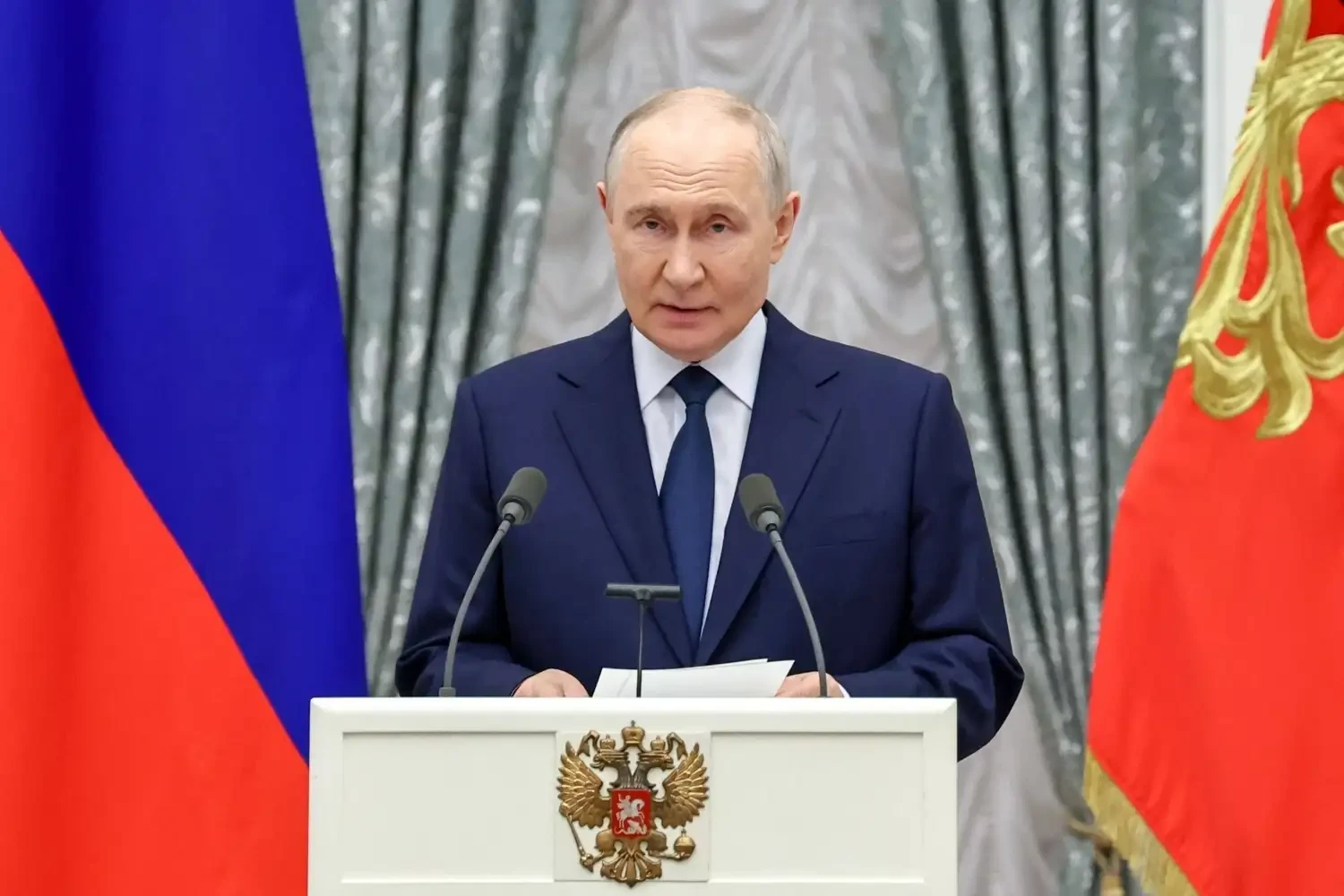
Russian President Vladimir Putin signed a decree on September 28 introducing additional restrictions on the publication of information related to the country's energy resources and petroleum products.
According to Reuters, the measure is intended to help Russia counter the effects of sanctions imposed by the United States and other Western countries. Moscow has already restricted the publication of some energy-sector information, including data concerning crude oil production.
The latest move comes at a sensitive time for Russia's energy industry. Ukrainian drone attacks have repeatedly targeted Russian oil infrastructure, while Moscow has also faced domestic fuel-market pressures.
By limiting access to energy data, the Russian government is further reducing the amount of information publicly available about production, refining and petroleum supplies.
Russia is one of the world's major oil producers and exporters, making information about its crude oil production, refinery operations and fuel supplies important to global energy markets.
The country's refining sector has faced significant disruption during the Ukraine war. Reuters reported earlier in September that three of Russia's six largest diesel-producing refineries had either significantly reduced production or halted operations following drone attacks. Those six facilities together account for roughly half of Russia's diesel output.
Separate Reuters reporting also found that Russia's Syzran and Saratov refineries had stopped processing following Ukrainian drone attacks, adding to concerns about domestic fuel availability.
Russia has responded with measures including restrictions on fuel exports. Moscow extended bans on diesel and gasoline exports through January 31, 2027, citing the need to support domestic supplies after refinery disruptions.
Energy infrastructure has increasingly become an important part of the Russia-Ukraine conflict.
Ukraine has targeted Russian oil facilities, arguing that the infrastructure contributes to Russia's ability to finance and support its military operations. Russia, meanwhile, has continued attacks against Ukrainian energy infrastructure and other targets.
Reuters reported that the Moscow region experienced one of Ukraine's largest reported drone attacks on September 20, with damage reported at an oil refinery.
The continued attacks have created challenges beyond the battlefield, affecting refining capacity, fuel availability and international oil markets.
The situation is particularly significant because global diesel markets are already experiencing tight supplies. Reuters reported that diesel shortages linked to the conflicts in Ukraine and the Middle East could persist into 2027.
The latest energy restrictions come as Russian crude supplies to India are also becoming tighter.
Reuters reported on September 28 that Indian refiners are expected to face reduced Russian oil availability in October and November as Russian exports decline and Chinese demand increases.
India has been a major buyer of discounted Russian crude since 2022, but stronger Chinese demand and disruptions at Russia's Black Sea export infrastructure are reducing availability for Indian buyers.
Russian oil arrivals in India were projected at around 1.75 million barrels per day in September, according to Kpler data cited by Reuters, down from about 2.1 million barrels per day in August.
Indian refiners have consequently been turning toward alternative supplies including crude from the UAE, Iraq and Angola.
The energy announcement comes alongside another significant development in Russia's war effort.
Putin has ordered an increase in the size of Russia's armed forces, raising the number of active servicemen to 1.55 million. The total size of the Russian armed forces is set to reach about 2.44 million personnel under the new decree.
The increase follows another expansion ordered in August and comes as Russia and Ukraine continue to suffer casualties after more than four years of war.
The military expansion indicates that Moscow continues to prepare for a prolonged conflict even as diplomatic efforts and calls for negotiations continue.
Ukrainian President Volodymyr Zelenskyy has also raised fresh concerns about North Korean military involvement in Russia's war.
According to The Guardian, Zelenskyy said more than 8,000 North Korean troops were currently in Russia and that preparations were underway for another 10,000 troops to be deployed.
North Korea and Russia have previously acknowledged military cooperation, while Ukrainian and South Korean assessments have estimated that North Korea has sent between 14,000 and 15,000 personnel to support Russia since 2024. Many were reportedly deployed in the Kursk region.
The latest Ukrainian claims have not been independently verified in full, but they underline the expanding international dimension of the war.
Russia's energy sector is facing pressure from several directions simultaneously: Western sanctions, Ukrainian attacks on refineries, domestic fuel shortages, export restrictions and competition for crude shipments.
The situation is occurring alongside disruptions in the Middle East. Reuters reported that global diesel supplies have been severely affected by the conflicts in both regions, contributing to elevated prices and tight inventories.
For global consumers, prolonged disruptions to Russian refining and crude exports could affect fuel prices, transportation costs and inflation.
For India, the reduction in Russian crude availability could also increase the importance of alternative suppliers if the trend continues into the final months of 2026.
The latest decree does not itself change Russia's oil production capacity. Instead, it changes the availability of information about the country's energy sector.
With less publicly available data, analysts, traders and foreign governments may have fewer official figures with which to assess Russian oil production, refining activity and petroleum supplies.
That makes independent estimates and market intelligence more important for understanding Russia's energy position.
The move also demonstrates how closely Russia's energy policy, sanctions strategy and wartime economy are now connected.
Putin's decision to further restrict Russian energy-sector disclosures comes at a time when the country's oil and refining industry is under significant pressure from sanctions and repeated attacks on energy infrastructure.
At the same time, Russia is expanding its armed forces, while Ukraine is warning about possible additional North Korean troop deployments.
Together, these developments highlight the continuing connection between the Russia-Ukraine war, Russian oil production, refinery disruptions, global fuel markets and geopolitical tensions.
With diesel supplies already tight internationally and Russian crude flows facing additional constraints, developments in Moscow's energy sector could remain important for global oil markets and major importing countries such as India.