•
•
•
•
•
•
•

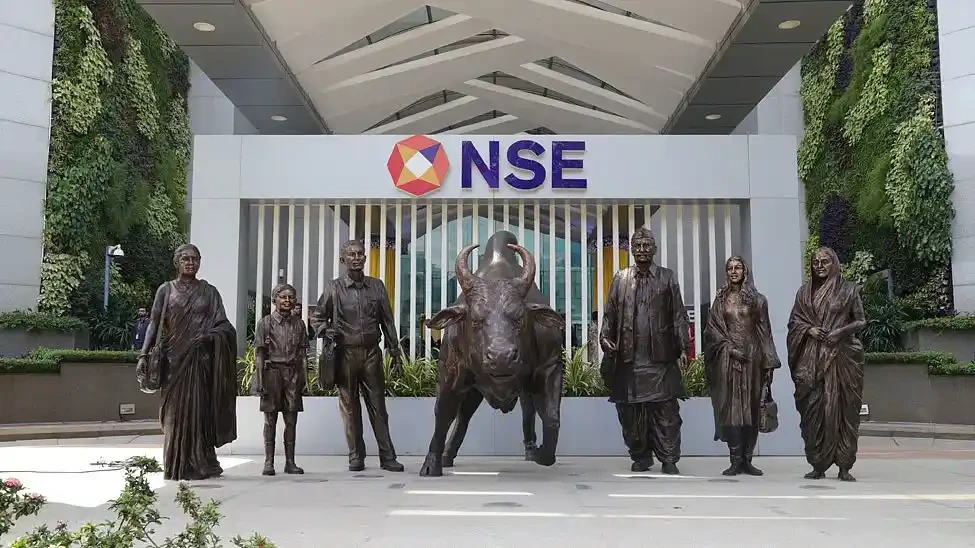
The ₹22,561.57-crore NSE IPO concluded its three-day bidding process with strong demand across investor categories.
According to exchange data, the issue received bids for around 505.81 million shares against 88.6 million shares on offer, resulting in an overall subscription of 5.71 times.
The strongest demand came from Qualified Institutional Buyers (QIBs), whose portion was subscribed 12.68 times. The Non-Institutional Investor (NII) category was subscribed 6.55 times, while the retail portion saw 1.39 times subscription.
The IPO was offered at a price band of ₹1,700–₹1,785 per share, with a lot size of eight shares. At the upper end of the price band, the minimum application amount for retail investors was ₹14,280.
The NSE IPO’s grey-market premium (GMP) has attracted considerable attention ahead of listing.
Reports during the final day of bidding indicated the GMP had fallen to around 2%, suggesting expectations of a relatively modest premium over the IPO price. However, grey-market indications have fluctuated, with later reports showing different premium levels.
Importantly, GMP is an unofficial and unregulated indicator and does not guarantee the actual listing price or future performance of the shares.
The IPO allotment is expected to be finalised on September 22, 2026. Refunds and credit of shares are scheduled for September 23, while NSE shares are expected to make their stock-market debut on September 24.
The IPO is entirely an Offer for Sale (OFS), meaning NSE itself will not receive the IPO proceeds; existing shareholders are selling their stakes.
The issue marks a significant milestone for NSE after years of preparations and regulatory developments surrounding its proposed public listing.
With bidding completed, attention has shifted from subscription numbers to share allotment, listing-day pricing and NSE’s performance after listing.
NSE remains a dominant player in India’s capital markets, with Reuters reporting a 93% share of the country's cash market and around 75% of options trading. At the same time, changes in derivatives regulations and taxation remain important factors for the exchange's future business performance.