•
•
•
•
•
•
•

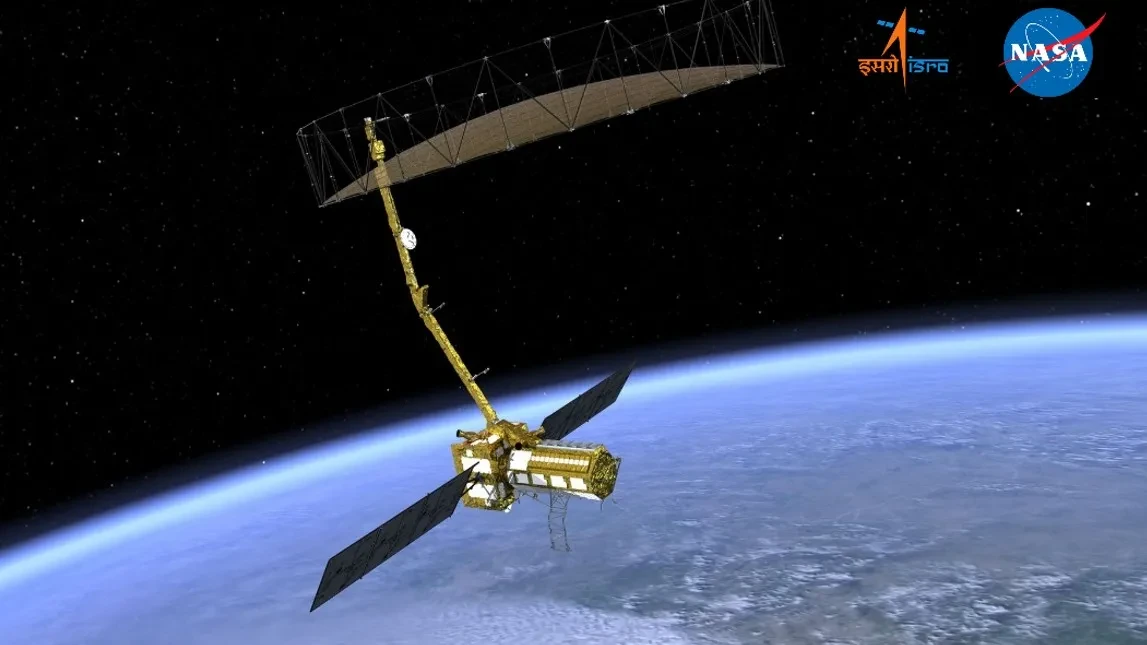
The joint NASA-ISRO Synthetic Aperture Radar (NISAR) mission continues to produce valuable environmental data following its earlier launch, with scientists now analyzing the satellite's radar imagery to track land deformation, ecosystem disturbances and ice sheet dynamics across the globe.
NISAR uses dual-frequency synthetic aperture radar technology, allowing it to capture detailed images of Earth's surface regardless of cloud cover, weather conditions, or daylight. This capability makes it especially valuable for monitoring natural disasters such as earthquakes, landslides and volcanic activity in near real time, as well as tracking longer-term environmental shifts like deforestation and glacial melt.
Climate scientists and disaster management agencies have described consistent, high-resolution radar coverage as a significant improvement over previous monitoring capabilities. Because the satellite can observe the same locations repeatedly, researchers can detect subtle ground movements — sometimes just millimeters — that can serve as early warning signs for landslides or volcanic unrest.
For India specifically, the mission strengthens the country's disaster preparedness capabilities in earthquake-prone and flood-prone regions, complementing existing ground-based monitoring systems run by agencies such as the India Meteorological Department.
NISAR represents one of the most significant collaborations between NASA and ISRO to date, combining technology and expertise from both space agencies. The mission reflects growing international cooperation in Earth observation, as climate-related risks make comprehensive, shared monitoring infrastructure increasingly valuable to multiple nations simultaneously.
Data from the mission is expected to be made available to researchers and government agencies globally, supporting applications ranging from agricultural monitoring to infrastructure planning. Scientists anticipate that the mission's long-term dataset will become increasingly valuable as it builds a multi-year record of environmental change.
Scientists caution that while early data is promising, building a robust long-term climate dataset will take continued observation over multiple years.