•
•
•
•
•
•
•

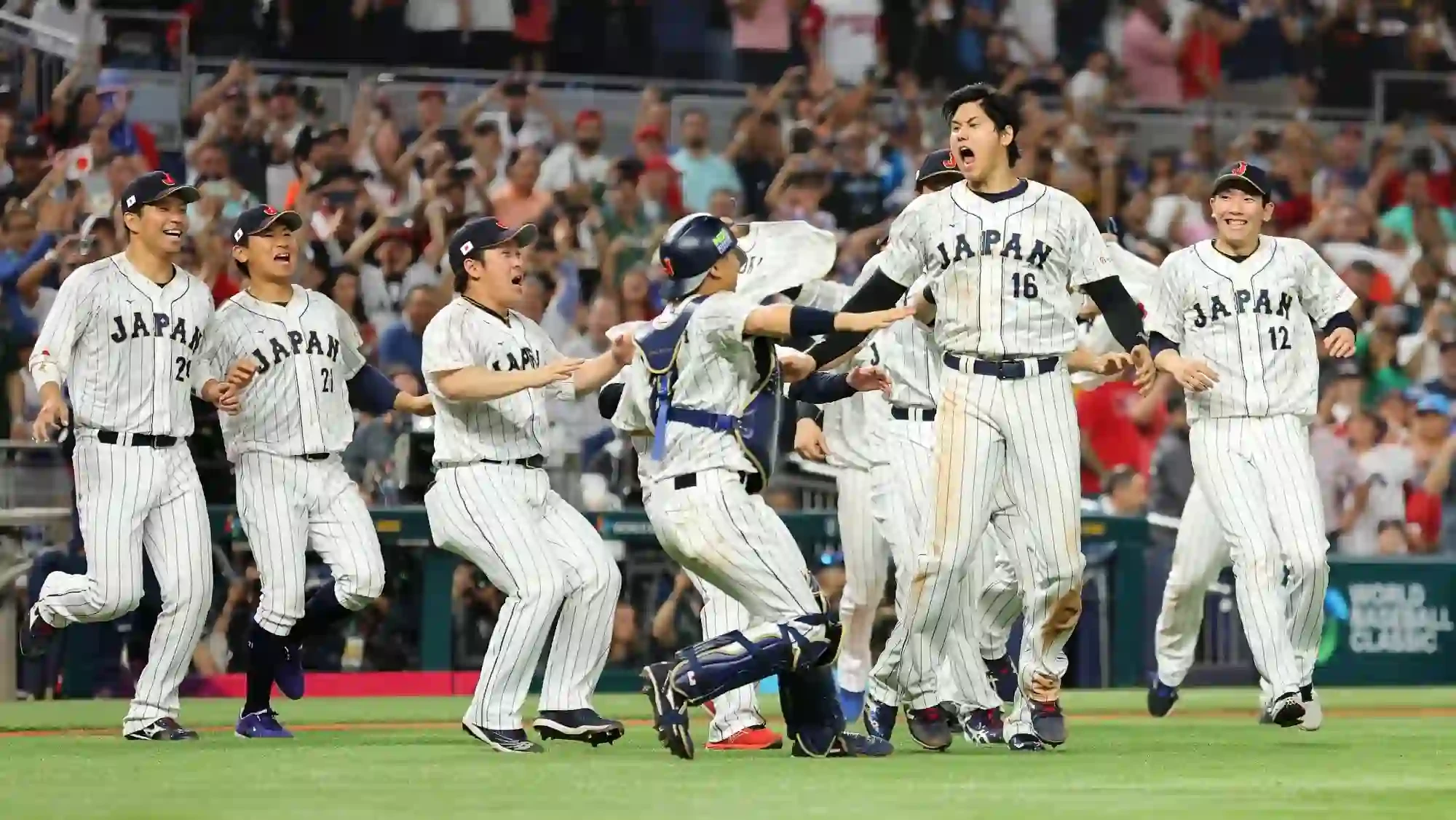
Japan’s unusual “company employee baseball” system has become one of the major stories surrounding the 2026 Aichi-Nagoya Asian Games after a team of social baseball players produced a stunning performance against Korea’s professional stars.
In the Super Round on September 25, Japan defeated Korea 5-0, with pitcher Shin Higuchi delivering a standout performance. The left-hander, who works for Japanese paper manufacturer Oji, pitched seven innings, allowed four hits and struck out four while keeping Korea’s powerful batting lineup scoreless.
What made the result particularly notable was the difference in the players’ official status. Korea fielded professional players, while Japan’s squad consisted of athletes employed by major companies including Oji, Toyota, ENEOS and Nippon Express.
Unlike recreational amateur baseball, Japan’s corporate or social baseball teams can operate at a highly competitive level. Companies recruit talented players as employees, provide salaries and create training environments that can allow athletes to devote substantial time to baseball during the season.
The Toyota baseball team, for example, has a history stretching back 79 years and operates with facilities including a dedicated baseball ground, indoor training areas and strength-conditioning resources. Teams can also use data analysis and specialist support to improve player performance.
This structure gives players a route to continue developing even when they do not immediately enter professional baseball. Some corporate players eventually receive professional offers, while others continue competing at the company level alongside their careers.
Higuchi's performance against Korea brought particular attention to the system. The 24-year-old pitcher joined Oji after playing college baseball and had already established himself in Japan's corporate baseball circuit. Reports say he helped his team win the national intercity tournament in his first year and received recognition for his pitching performance.
His performance demonstrated that the label “social baseball player” does not necessarily mean recreational-level competition. Japan's corporate teams can provide a pathway where players train regularly, compete in national tournaments and potentially move into professional baseball.
The strength of Japan's system also extends beyond corporate teams. Japan has a large school baseball structure, with high-school baseball and the famous Koshien tournament forming an important part of the country's development pathway. Players can subsequently move into university, corporate teams or regional clubs, keeping the competitive pipeline active after high school.
Korea eventually responded in the final. On September 27, the Korean team defeated Japan 3-1 to secure its fifth consecutive Asian Games baseball gold medal. However, Japan's earlier 5-0 victory ensured that its corporate baseball model became one of the tournament's most discussed stories.
The episode has consequently shifted attention from simply comparing professional and amateur labels to examining the baseball development systems, training infrastructure and competitive pathways that produce elite players.