•
•
•
•
•
•
•

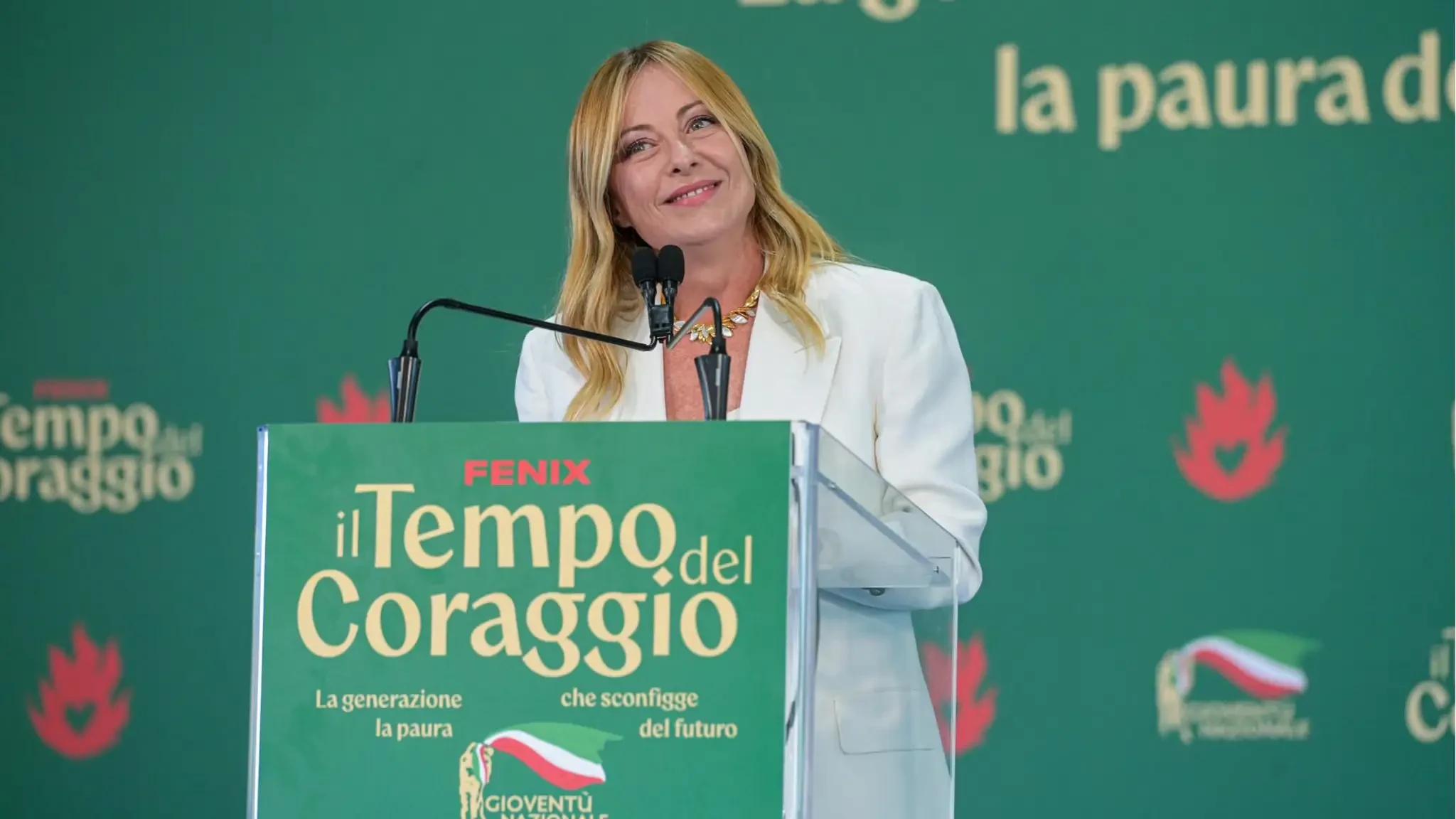
Italian Prime Minister Giorgia Meloni has announced plans for a new package of school measures that would introduce restrictions on face coverings and place a limit on the number of foreign students in individual classrooms.
Speaking at a youth event organised by her Brothers of Italy party in Rome on September 20, Meloni said the proposed measures would soon be brought before the Italian government. They are proposals at this stage and are not yet enacted law.
One of the most prominent elements of the proposal is a ban on wearing burqas and niqabs in schools.
Meloni said students should attend school with their faces uncovered and linked the proposal to gender equality and integration. The proposal specifically concerns face-covering garments; reporting on Meloni's announcement notes that she did not announce a ban on the hijab, which leaves the face uncovered.
The issue has already been discussed within Italy in recent months, with government officials and lawmakers debating restrictions on full-face coverings in educational institutions.
The proposed package would also establish a legal cap on foreign students in each classroom.
However, the government has not yet announced the exact maximum number of foreign students that would be permitted in a class. Reuters reported that non-Italian citizens currently account for around 11.6% of Italy's students.
Meloni has connected the proposed classroom limit with the government's broader focus on integration within the education system.
Another element would require parents of foreign students experiencing what the government describes as serious difficulties integrating into the Italian school system to undertake Italian-language lessons.
Meloni said people who come to Italy and want to build their future there should learn the language, understand the country's culture and follow its rules.
The proposal therefore combines classroom policies with language and integration measures aimed at families.
The measures still need to go through Italy's legislative process before they can become enforceable law. The precise details, including the foreign-student limit and implementation rules, are expected to become clearer when the government formally presents the package.
The proposals have also become part of a wider political debate over immigration, integration, religious expression and education in Italy. Different political groups have offered competing views on whether such measures would improve integration or create additional barriers for immigrant families.
For now, the key point is that Italy has announced plans rather than implemented a new nationwide school ban. Further government and parliamentary action will determine whether and in what form the proposals become law.