•
•
•
•
•
•
•

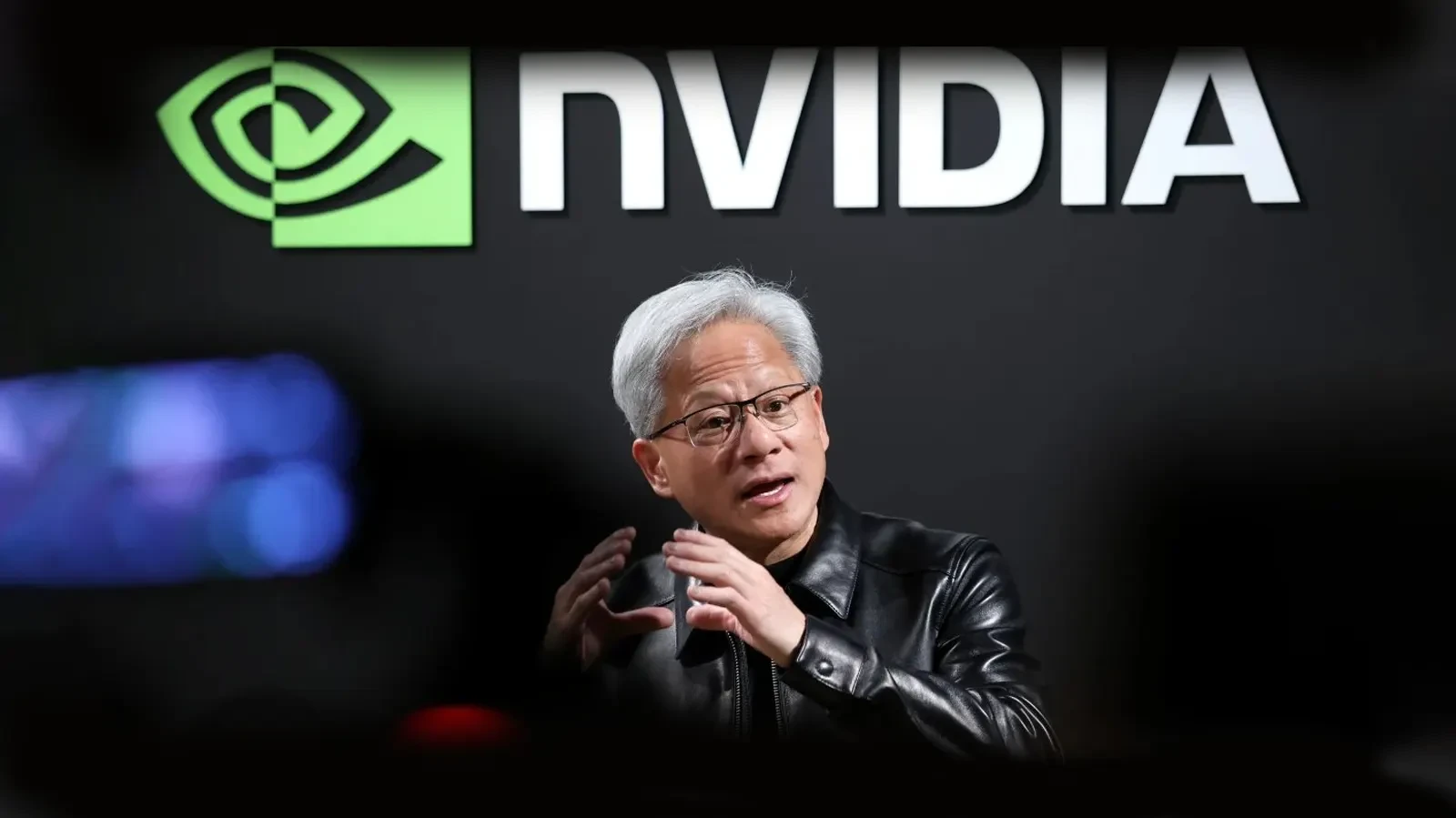
September 10, 2026. A New York Times investigation published September 6, 2026, has detailed how Inspur Group — China's largest server maker and the world's second-largest AI server maker — continued acquiring billions of dollars' worth of Nvidia's export-restricted AI chips years after being placed on the US government's trade blacklist.
According to the investigation, reported by Ana Swanson, Paul Mozur, Tripp Mickle and Keith Bradsher and based on trade data from Import Genius, Inspur's Silicon Valley subsidiary Aivres — a separately incorporated US company — legally purchased Nvidia hardware, including Blackwell and H200 chips, and exported it through intermediaries in Southeast Asia before it reportedly reached operations linked to its blacklisted Chinese parent.
The reported scale is substantial: Aivres exported more than $5.6 billion in advanced technology between April 2024 and February 2026, of which over $3 billion involved Nvidia Blackwell chip-equipped computers. Separately, a Chinese importer called Maginfra — described in the report as bearing "curious similarities" to Inspur — imported more than $700 million in servers from Malaysia over a six-month period, routed through a Malaysian intermediary identified as Speedmatrix Sdn Bhd.
Inspur was added to the US Commerce Department's Entity List in March 2023, a designation intended to block it from acquiring sensitive American technology, including the advanced AI chips at the center of the global race to build large AI systems. The export controls in question, covering chip categories ECCN 3A090 and ECCN 4A090, are specifically meant to prevent high-performance computing hardware from reaching restricted end-users in country groups that include China.
The mechanism described in the investigation — legitimate-looking intermediary companies in Southeast Asia rather than direct smuggling — illustrates a broader challenge facing US export enforcement: a subsidiary that is legally incorporated outside the blacklisted parent company can, under current rules, still purchase controlled hardware, making it difficult for chipmakers and regulators to trace where hardware ultimately ends up.
Nvidia has said it requires customers to comply with export control laws, and there is no indication the company itself violated export rules; the investigation instead focuses on how downstream corporate structures allegedly routed chips around restrictions after the initial legal sale.
Export controls on advanced AI chips have been a central front in US-China technology competition since 2022, when Washington first restricted sales of top-tier Nvidia GPUs to Chinese buyers over concerns about their military and AI applications. Since then, chipmakers have released China-specific, lower-performance variants to stay within legal export limits, while reports of controlled hardware still reaching restricted buyers through resellers and shell entities have surfaced periodically.
The report also notes that the Trump administration approved a license allowing Maginfra to import H200 chips earlier in 2026, adding a layer of regulatory ambiguity to a case that otherwise centers on alleged rule evasion.
The report's publication comes as US and Chinese officials have been engaged in broader trade and technology talks, and the findings are likely to add pressure on the Commerce Department to tighten how it defines and monitors corporate relationships between blacklisted entities and their nominally independent subsidiaries. Nvidia and US regulators have not announced specific enforcement action in response to the report as of publication.
What is Inspur?
Inspur Group is China's largest server manufacturer and the world's second-largest maker of AI servers. It was added to the US Entity List, a trade blacklist, in March 2023.
How did a blacklisted company get restricted Nvidia chips?
According to the investigation, Inspur's US-incorporated subsidiary Aivres legally purchased the chips and exported them through intermediary companies in Southeast Asia, obscuring the final destination.
Did Nvidia break export control laws?
The investigation does not allege that Nvidia itself violated export rules; it focuses on how the hardware was allegedly routed after an initial legal sale.
What chips were involved?
The report centers on Nvidia's Blackwell and H200 chips, both subject to US export controls on high-performance computing hardware.
The investigation highlights a persistent gap in US export enforcement: restrictions aimed at specific blacklisted companies can be complicated by legally separate subsidiaries and intermediary trade routes. With billions of dollars in controlled AI hardware reportedly involved, the findings are likely to intensify debate over how effectively current export control rules can keep pace with corporate structures designed to work around them.