•
•
•
•
•
•
•

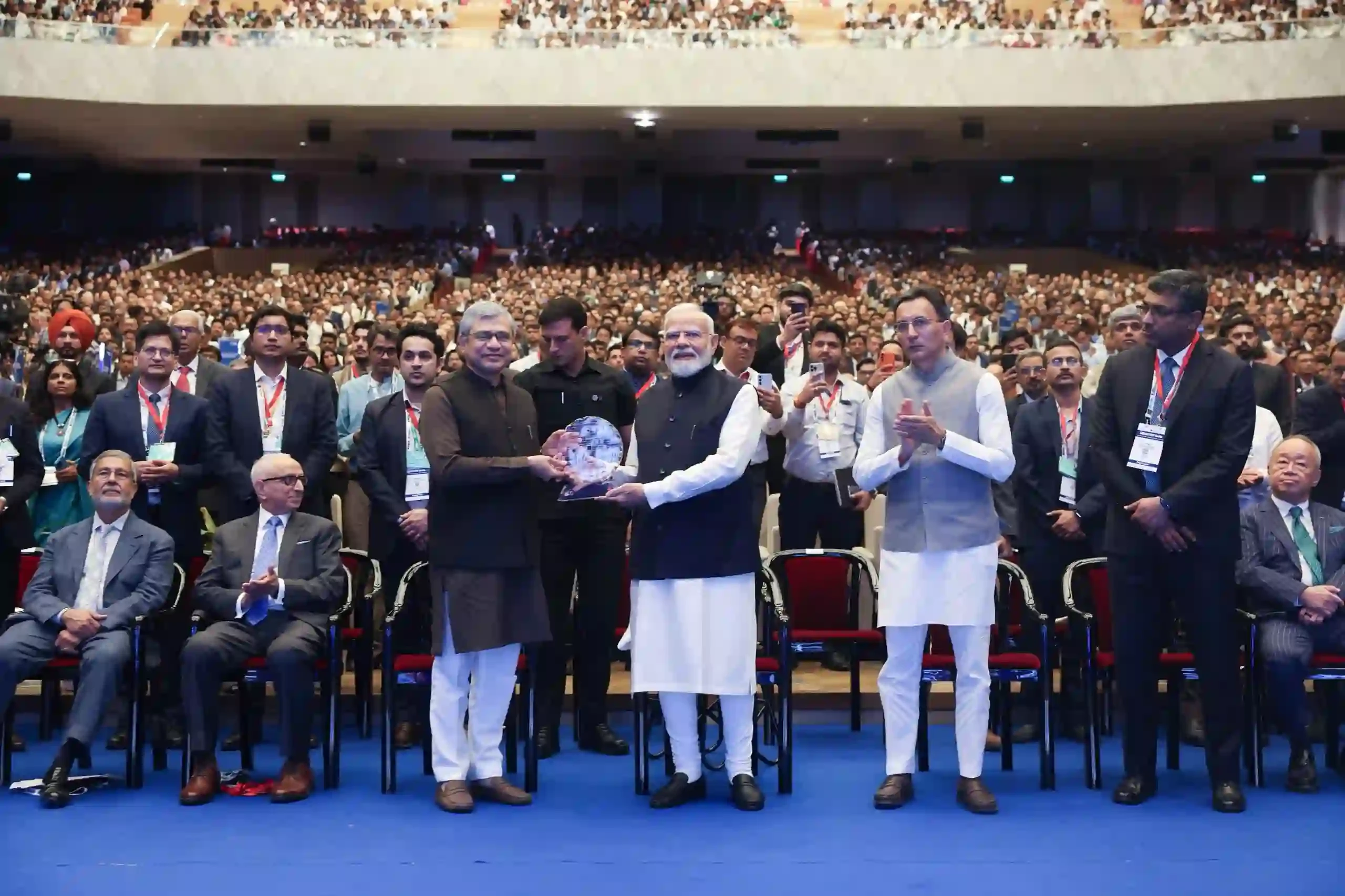
India’s semiconductor industry is entering a new phase as the country moves beyond plans and investments toward commercial chip production and a wider technology ecosystem.
Prime Minister Narendra Modi inaugurated SEMICON India 2026 in New Delhi on September 17, where he said India’s semiconductor ecosystem is expanding and creating new opportunities for innovation, investment and growth. The three-day event is bringing together global semiconductor companies, investors, researchers, startups and policymakers.
The focus this year extends beyond semiconductor fabrication plants. India is seeking to build capabilities across the entire value chain, including chip design, manufacturing, advanced packaging, testing, equipment, materials, research and workforce development.
Three semiconductor facilities, including projects by Micron, Kaynes Semicon and CG Semi, have already entered commercial production, according to The Economic Times. The development marks a shift from India's earlier focus on attracting investments toward establishing actual manufacturing capacity.
The government's second phase of its semiconductor programme has also significantly expanded the financial commitment. The programme's outlay has risen to around $13.5 billion, with greater emphasis on developing the ecosystem surrounding semiconductor factories.
India is also attracting fresh investment interest. Electronics and IT Minister Ashwini Vaishnaw said companies had shown interest in semiconductor projects worth around $11–12 billion, covering areas such as chip design, fabrication, equipment and advanced packaging.
The push comes as companies worldwide look to diversify semiconductor supply chains. India is positioning itself as a potential manufacturing and technology partner as businesses seek additional locations for production and supply-chain resilience.
SEMICON India 2026 therefore represents more than an industry exhibition. Its broader objective is to connect manufacturing, technology, research, startups and skilled talent into a stronger domestic ecosystem.
The challenge ahead will be turning these investments and projects into a sustainable industry capable of competing within global semiconductor supply chains. For India, the next stage will depend on how effectively it can develop suppliers, technology capabilities, skilled workers and internationally competitive semiconductor products.