•
•
•
•
•
•
•

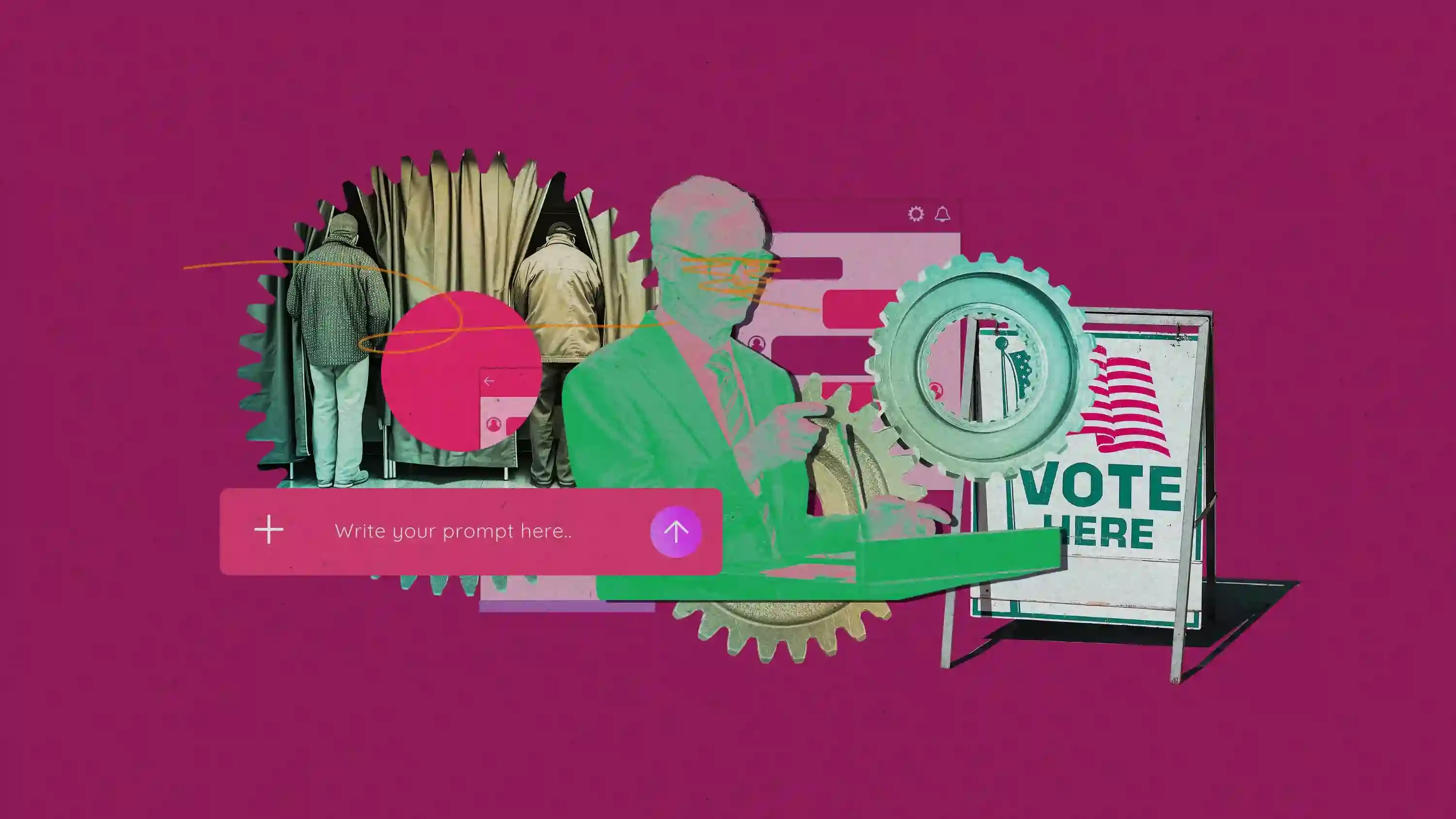
Election officials and lawmakers in multiple countries have continued developing new safeguards against AI-generated deepfakes and disinformation through 2026, reflecting growing concern about how increasingly realistic AI-generated content could affect electoral integrity and public trust in election processes.
Governments and election oversight bodies in various jurisdictions have introduced or advanced measures addressing AI-generated political content, including disclosure requirements for AI-generated or AI-altered political advertising, and, in some cases, restrictions on certain types of synthetic media in the period immediately before an election. Technology companies operating social media and AI content generation platforms have also faced continued pressure to implement detection and labeling systems for AI-generated content.
The increasing realism and accessibility of AI-generated audio, video, and image content has raised concerns among election security experts that convincing fake content depicting candidates or events could spread rapidly before it can be debunked, potentially influencing voter perception during critical periods close to an election. This has made election security policy a growing point of intersection between technology regulation and traditional democratic governance concerns.
Concerns about disinformation's impact on elections predate the availability of sophisticated AI content generation tools, but the accessibility and realism of modern AI-generated media has significantly heightened these concerns among election officials, cybersecurity experts, and lawmakers across multiple countries.
Expect continued legislative activity addressing AI-generated political content across multiple jurisdictions, alongside ongoing efforts by technology platforms to develop and deploy content authentication and labeling systems, as officials and platforms work to balance free expression concerns with electoral integrity protections.
What are deepfakes?
Deepfakes are AI-generated or AI-altered audio, video, or image content designed to realistically depict a person saying or doing something they did not actually say or do.
What measures are governments taking to address this?
Measures vary by jurisdiction but commonly include disclosure requirements for AI-generated political advertising and, in some cases, restrictions on certain synthetic media close to elections.
How are technology platforms responding?
Many platforms have faced pressure to develop content labeling and detection systems for AI-generated media, particularly political content, though implementation and effectiveness vary across different platforms.