•
•
•
•
•
•
•

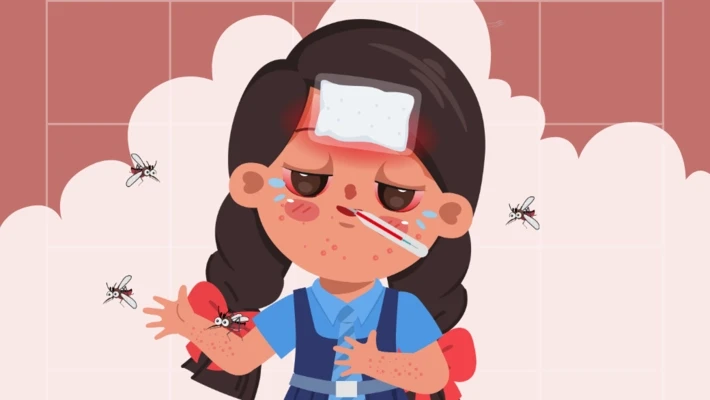
Hospitals across Chennai are reporting a marked increase in fever-related admissions, with health officials confirming that dengue and seasonal viral infections, including influenza, are circulating simultaneously in the city. Public health data shows thousands of fever cases logged in recent weeks, with a notable share testing positive for dengue, alongside other viruses such as influenza A, rhinovirus, and respiratory syncytial virus (RSV). Areas including Adyar, Anna Nagar, and Valasaravakkam have emerged as relative hotspots for dengue infections.
The uptick coincides with a period of intermittent rainfall, which creates standing water and ideal breeding conditions for the Aedes mosquitoes that transmit dengue. In response, the Greater Chennai Corporation has ramped up vector-control operations, deploying thousands of workers across the city's zones to inspect residential areas, construction sites, and other potential mosquito-breeding spots. Private hospitals have also been directed to share daily fever-case data with authorities to strengthen tracking.
Tamil Nadu's Public Health Department has placed itself on high alert statewide as the region approaches the northeast monsoon, historically a peak period for dengue transmission. Officials are urging residents to eliminate stagnant water around homes and to seek prompt medical attention rather than self-medicating when fever persists.
Medical experts are also flagging a critical, often misunderstood phase of dengue illness: the period immediately after a patient's fever breaks. Contrary to common assumption, a dropping temperature does not signal recovery. In a subset of patients, this window — typically the 24 to 48 hours following defervescence — is when plasma leakage from blood vessels can occur, potentially leading to a sudden drop in blood pressure, internal bleeding, or dengue shock syndrome. Warning signs to watch for during this phase include severe abdominal pain, persistent vomiting, bleeding from the gums or nose, unusual restlessness or drowsiness, and rapid breathing. Doctors stress that patients showing any of these symptoms after their fever subsides should seek emergency care immediately rather than assuming they are on the mend.
The surge in Tamil Nadu comes against the backdrop of a broader global and national trend. Health authorities in the United States have also flagged rising dengue activity in recent years, with case counts climbing well above historical averages, driven largely by international travel exposure alongside a small but growing number of locally acquired infections in warmer states. Experts point to expanding mosquito habitats linked to changing climate patterns as a contributing factor on both continents.
Health officials in Chennai have reiterated that a rise in fever cases should not automatically be equated with a dengue outbreak, since several viral infections are spreading at once, but they continue to urge vigilance, especially for children, the elderly, and those with underlying health conditions.
If you or someone you know develops fever along with warning signs such as persistent vomiting, severe abdominal pain, or bleeding, seek immediate medical attention.