
Brazil Election Results 2026: Flávio Bolsonaro and Lula Head to October 25 Runoff

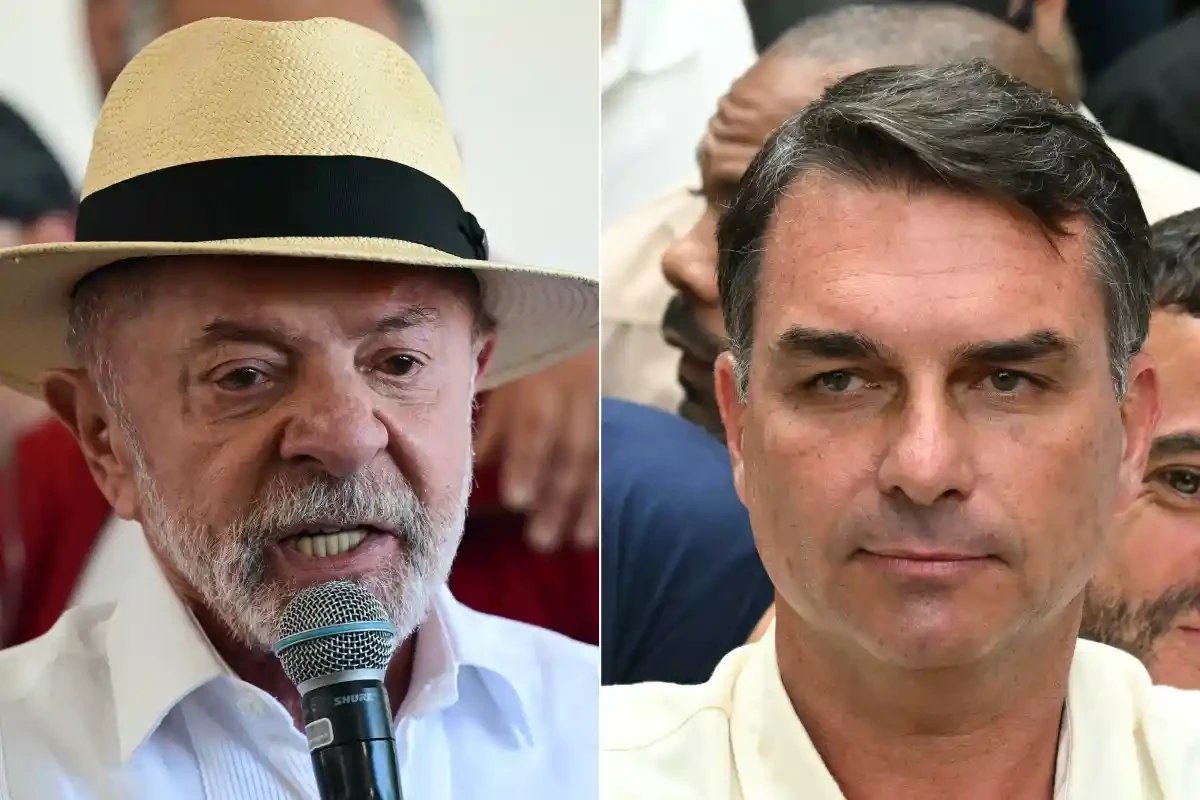
Brazil Presidential Election Heads to Runoff
Brazil's 2026 presidential election will be decided in a second round after Senator Flávio Bolsonaro and incumbent President Luiz Inácio Lula da Silva emerged as the two leading candidates in the first round.
According to Brazil's Superior Electoral Court (TSE), with virtually all votes counted, Flávio Bolsonaro received 47.03% of valid votes, or more than 56.1 million votes. Lula followed with 45.16%, receiving more than 53.8 million votes.
Because neither candidate crossed the 50% threshold required for an outright first-round victory, Brazilians will return to the polls on October 25, 2026.
The result sets up a closely watched contest between Bolsonaro, a senator from the Liberal Party (PL), and Lula, the Workers' Party (PT) incumbent seeking another term in office.
Flávio Bolsonaro Finishes First
Flávio Bolsonaro's first-round performance places him at the top of the presidential ballot, although the result does not give him the presidency.
The 45-year-old senator is the son of former Brazilian President Jair Bolsonaro and entered the 2026 presidential race as the leading candidate of the country's conservative camp. Reuters reported that his support strengthened during the final stages of the campaign as voters focused on issues including the cost of living, crime and dissatisfaction with the governing Workers' Party.
The first-round result also represents a significant showing for Bolsonaro's political movement, with conservative candidates performing strongly in other races held across Brazil.
Lula Secures Place in Second Round
President Luiz Inácio Lula da Silva, 80, finished second with 45.16% of valid votes.
Lula is seeking another term after previously serving as president from 2003 to 2010 before returning to office in 2023. A victory in the October runoff would give him a fourth, non-consecutive presidential term.
Reuters reported that Lula's campaign focused heavily on the economy, social programmes and the cost of living, while also warning voters about what a change in government could mean for Brazil's political direction.
With the first round now complete, both campaigns will have three weeks to seek support from voters who backed other candidates.
Other Candidates Fall Behind
The remaining candidates were unable to seriously challenge the two frontrunners.
Writer Augusto Cury, representing Avante, finished third with approximately 2.89% of valid votes. Renan Santos of Missão followed with around 2.24%, while Ronaldo Caiado received approximately 2.18%.
Their supporters could therefore become an important constituency during the runoff campaign, although the final outcome will depend on how voters from across the political spectrum respond to the two remaining candidates.
Why the Brazil Runoff Matters
The second round will determine the direction of Latin America's largest economy for the next presidential term.
The election has been closely watched because it could influence Brazil's economic policies, environmental agenda, foreign relations and domestic security policies.
The result also has implications for Brazil's relationship with major powers including the United States and China. Flávio Bolsonaro has positioned himself closer to the political movement associated with US President Donald Trump, while Lula has emphasised Brazilian sovereignty and an independent foreign policy.
Environmental policy is another major issue. Brazil's approach to the Amazon rainforest, deforestation and climate commitments could change depending on the result.
A Closely Divided Electorate
The first-round numbers demonstrate how closely divided the presidential contest remains.
The difference between Flávio Bolsonaro and Lula was less than two percentage points in the official tally.
Neither candidate can therefore rely on the first-round result alone. The October 25 vote will be a separate contest, with both campaigns expected to concentrate on persuading voters who supported other candidates or did not vote in the first round.
Brazil's electronic voting system has also attracted international attention. Authorities have continued to defend the reliability of the country's electoral process, while no major voting irregularities have been reported in the first round.
What Happens Next?
The first round has established the two finalists, but Brazil has not yet elected its next president.
Flávio Bolsonaro and Lula will now enter the final stage of the campaign before the October 25 runoff election. The candidate who secures the required majority in the second round will become Brazil's next president.
For now, the official result is clear: Flávio Bolsonaro leads the first round, Lula remains in contention, and the Brazilian presidency will be decided in the runoff.