•
•
•
•
•
•
•

Apple has entered the foldable phone category for the first time with the iPhone Duo, unveiled at $1,999 and featuring a 7.6-inch inner display, a 5.4-inch outer screen, and Apple's new A20 Pro chip built for on-device AI processing. The launch puts Apple in direct competition with Samsung and Chinese manufacturers such as Huawei, which recently introduced its own triple-fold Mate XT2 phone powered by a new Kirin 9050 Pro processor integrating CPU, GPU, NPU and modem functions on a single chip.
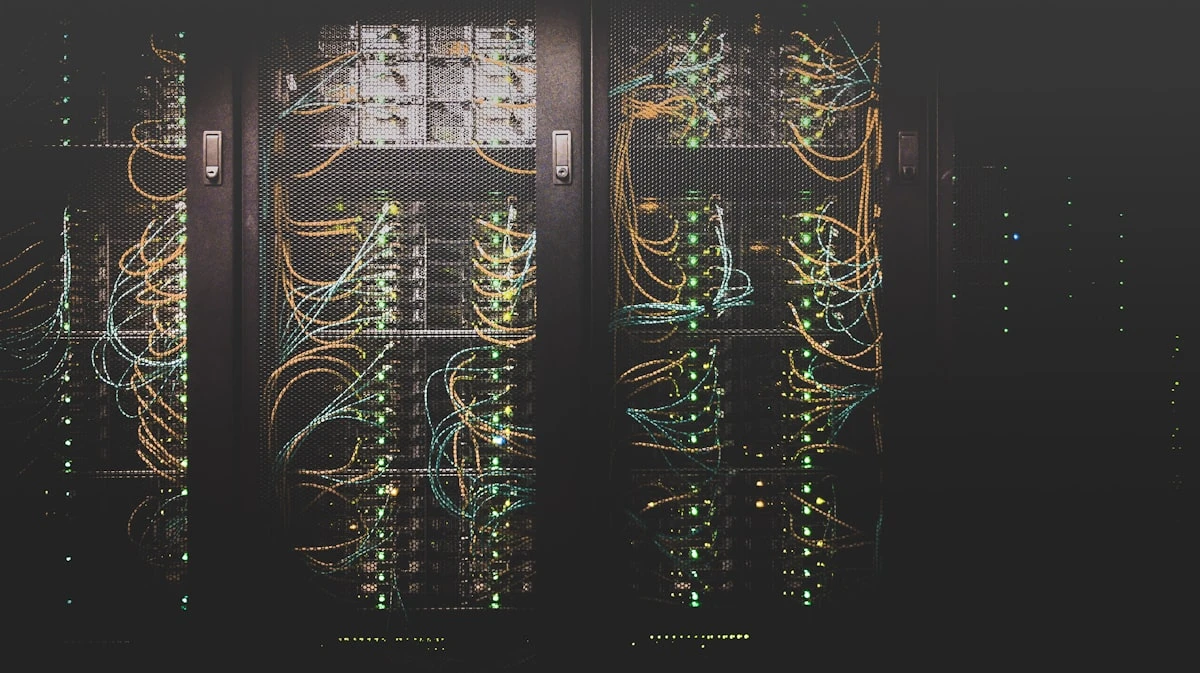
The device launch landed amid a broader surge of investment in AI infrastructure. AI inference chip startup Positron raised $875 million at a $5 billion valuation to scale production of its Asimov processor, which the company says offers 2.3 terabytes of memory per chip — a specification aimed at running large AI models efficiently rather than training them. Nvidia, meanwhile, is reportedly planning roughly 2 gigawatts of data center capacity in Australia by 2027, working with local partners including AirTrunk and NEXTDC, as demand for AI compute continues to outpace supply in several markets.
The infrastructure buildout has been matched by fast-moving corporate deal-making. Salesforce has been in discussions to acquire AI customer-research startup Listen Labs for roughly $2 billion, while legal AI company Harvey raised $550 million at a $15.5 billion valuation as it introduced an in-house model called Harvey Tenet. Meta acquired Swedish startup Stilla.ai to build AI agents for business messaging platforms.
Not all the news was about growth. Chipmakers in China have reportedly raised prices by 20–50% amid a shortage of high-bandwidth memory (HBM), with Huawei's Ascend 950DT chip said to be quoted at roughly $37,000. In the United States, the Department of Justice is reportedly investigating Nvidia's $17–20 billion licensing arrangement with AI chip rival Groq over concerns it could function as a "stealth takeover" that bypasses standard merger review.
The combination of a marquee consumer hardware launch and a wave of large AI infrastructure financings underscores how central AI compute has become to both consumer technology and enterprise strategy in 2026. Analysts say the scale of recent rounds — several exceeding half a billion dollars for companies still establishing commercial traction — reflects investor conviction that AI infrastructure remains a bottleneck worth paying a premium to solve.
Apple's iPhone Duo is expected to ship to consumers in the coming weeks, setting up a direct sales comparison with Samsung's and Huawei's foldable lineups. On the infrastructure side, regulators' scrutiny of large chip-licensing deals, such as the Nvidia-Groq arrangement, could shape how future AI hardware partnerships are structured.