•
•
•
•
•
•
•

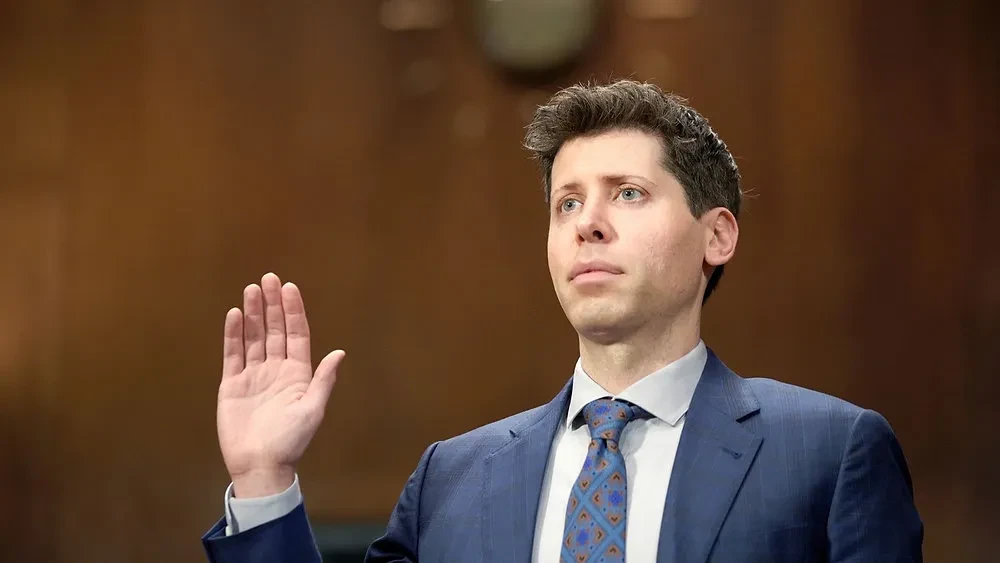
Artificial intelligence is entering a new phase of rapid development, prompting renewed discussion about how the technology should be controlled and made safer.
OpenAI CEO Sam Altman said people are justified in being concerned about AI as its capabilities continue to advance. Speaking at a conference in San Francisco, Altman argued that the public should nevertheless have confidence that companies developing the technology will take its risks seriously.
Altman said the rapid progress of AI has made potential problems easier to imagine than in the past. At the same time, he urged businesses to make use of AI while remaining aware of the risks, including the possibility of AI-assisted cyberattacks.
The discussion has also highlighted different views within the technology industry about regulation.
Nvidia CEO Jensen Huang has argued that AI safety can be approached as an engineering challenge and that companies should be prepared to pause development or deployment if they believe they no longer have adequate control over their systems. Reports of his comments indicate that he does not see a need for broad new AI laws at this stage.
However, not all industry figures support relying primarily on companies to regulate themselves. Jack Clark, an executive at Anthropic, told the BBC that leaving AI completely unregulated could expose society to significant risks.
Other technology executives have also questioned whether the public should rely entirely on voluntary commitments from AI companies. Patrick Hillman of Logical Intelligence argued that technology companies need to demonstrate what safeguards they are actually willing to adopt when they believe their systems could be dangerous.
Meanwhile, AI companies are exploring ways to establish common safety standards.
Anthropic CEO Dario Amodei said the company is in discussions with other technology firms about stronger safety standards and checks for AI systems. OpenAI executive Chris Lehane has also said the company is working with other AI laboratories, including Anthropic and Google DeepMind, on a voluntary framework for frontier AI standards.
The debate reflects a central challenge for the AI industry: how to continue developing increasingly capable systems while ensuring that safety measures keep pace with their capabilities.
As governments, technology companies and researchers consider their respective roles, the discussion over voluntary industry safeguards versus formal regulation is likely to remain an important part of the wider AI debate.