•
•
•
•
•
•
•

Record viewership, surging ad spend, and narrowing pay gaps are reshaping the business of women's sports
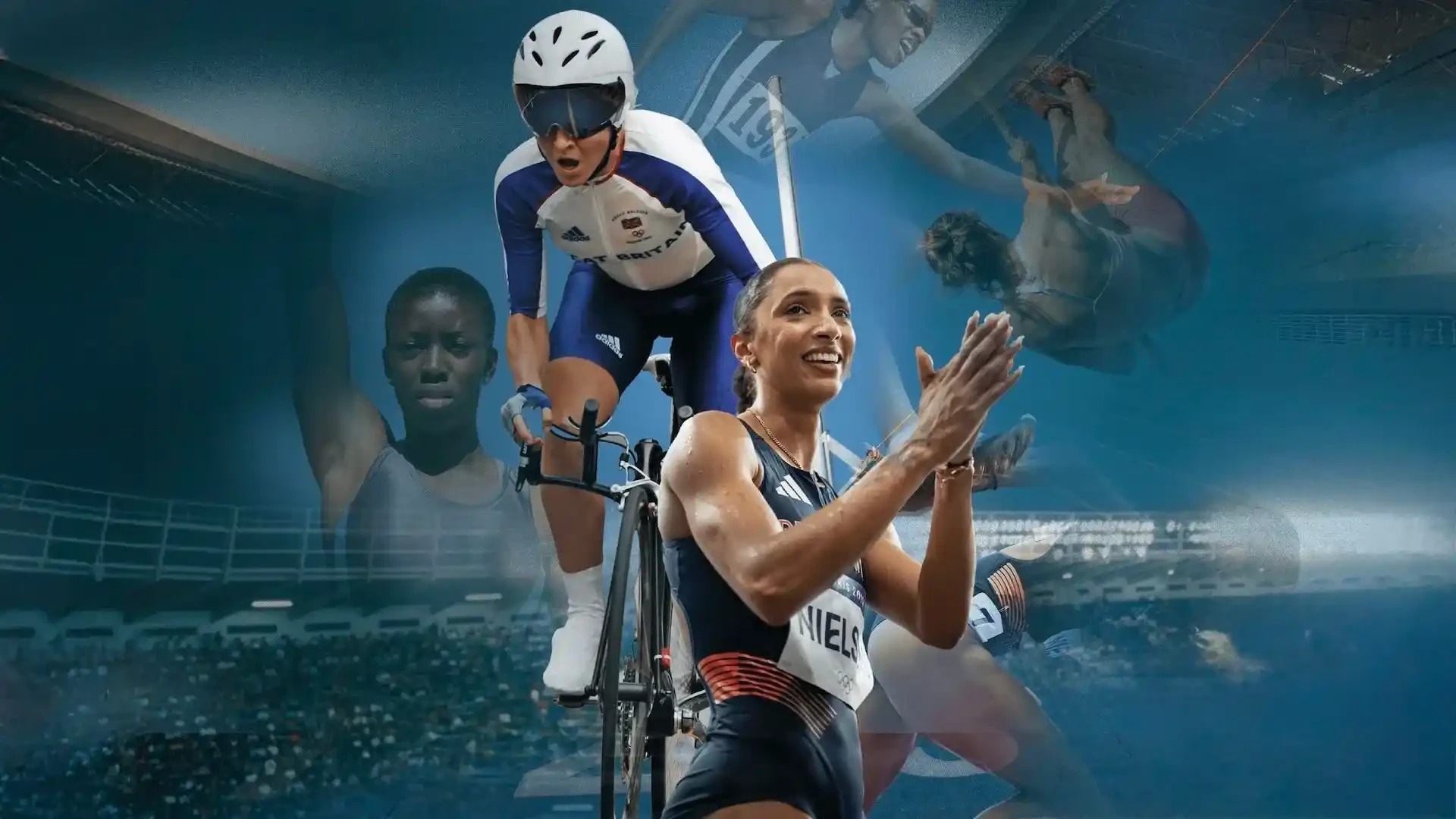
Women's professional sports are no longer treated as a side story to men's leagues. Through the first half of 2026, viewership for women's sports events climbed 18% year-over-year in the United States, according to Nielsen's Women & Sports report, while advertising spend directed at women's sports has surged 120% since 2022. That combination — bigger audiences and bigger budgets chasing them — is the clearest sign yet that women's sports have moved from a philanthropic afterthought to a genuine commercial category.
Three forces are converging at once: broadcasters are finally scheduling women's events in prime slots instead of burying them on secondary channels, streaming platforms have made live women's sports accessible without a cable subscription, and a wave of athlete-led social media presence has built fan bases independent of traditional sports media gatekeepers.
Marketers have taken notice. A Bank of America Institute analysis on "the business of women's sports," published in March 2026, found that brands increasingly view women's sports sponsorship not as a diversity initiative but as a high-return, under-priced media buy — audiences are growing while sponsorship inventory remains cheaper than equivalent men's properties, at least for now.
| Metric | Figure | Source |
|---|---|---|
| U.S. women's sports viewership growth, H1 2026 | +18% YoY | Nielsen |
| Ad spend on women's sports since 2022 | +120% | Nielsen |
| ICC Women's T20 World Cup prize pool | $8.76 million (record) | International Cricket Council |
| FIFA Women's Champions Cup winner payout | $2.3 million (record) | FIFA |
Cricket has emerged as one of the fastest-growing women's sports properties globally. The International Cricket Council lifted the Women's T20 World Cup prize fund to a record $8.76 million, part of a broader push toward pay parity with the men's game that the ICC formally committed to for global events. Domestic T20 leagues modeled on franchise cricket — built around city-based teams, marquee player auctions, and primetime broadcast windows — have replicated the commercial playbook that made men's T20 leagues profitable.
Football is following a similar path at club level. FIFA confirmed a record $2.3 million payout for the inaugural winner of the Women's Champions Cup, signaling that continental club competitions for women are being built out as standalone commercial products rather than appendages to men's tournaments.
Basketball continues to benefit from a multi-year surge in U.S. collegiate and professional women's viewership that began in the early 2020s and has not slowed. Expansion franchises, new practice facilities, and improved travel arrangements — long-standing complaints from professional women's athletes — have become selling points for leagues courting both fans and investors.
For decades, women's professional sports operated on thin budgets, minimal broadcast exposure, and sponsorship deals that lagged far behind men's equivalents. Investment banks and private equity firms treated women's leagues as high-risk, low-return assets. That calculus has shifted. eMarketer's ongoing coverage of women's sports notes that viewership has "maintained momentum," giving advertisers a rare category where audience growth is still compounding rather than flattening — a scarce commodity in an increasingly fragmented media landscape.
Forbes contributor Liz Elting summarized the shift bluntly in an April 2026 piece: women's sports have shown "historic growth," and the next frontier is ensuring athletes are compensated in line with the revenue they now generate.
The growth of women's sports is not just a cultural milestone — it is a market correction. Sponsorship dollars follow attention, and attention has been measurably shifting toward women's competitions. For brands, early entry into women's sports sponsorship offers relatively low-cost access to a growing, highly engaged audience. For athletes, rising broadcast and sponsorship revenue is the primary lever for closing the pay gap, since salaries in most leagues remain tied to league revenue rather than fixed at parity by mandate.
The shift also has structural effects: better facilities, longer competitive seasons, expanded rosters, and more secure career pathways for female athletes, all of which reinforce the on-field product quality that keeps viewership climbing.
Several trends are likely to continue through the rest of 2026 and beyond:
Is the gender pay gap in sports closing?
It is narrowing in specific areas — particularly global tournament prize money in cricket and football — but a substantial gap remains in most domestic league salaries, where pay is still largely tied to overall league revenue rather than parity mandates.
Why has sponsorship spending grown faster than viewership?
Sponsorship dollars are catching up from a historically low base. Even after the recent surge, ad spend on women's sports remains a small fraction of total sports sponsorship, so brands are moving quickly to establish early positions in a category they expect to keep growing.
Which sports are seeing the fastest commercial growth?
Cricket and football have posted the largest prize-money increases in 2026, while basketball continues to lead in sustained U.S. viewership growth built up over several preceding years.
Do streaming platforms play a role in this growth?
Yes. Direct-to-consumer streaming has removed distribution bottlenecks that historically limited access to women's sports, letting leagues build audiences without depending entirely on legacy broadcast schedules.
Women's professional sports in 2026 sit at an inflection point: audiences are growing, sponsorship dollars are following, and tournament organizers are backing that growth with record prize money. The pay gap has not closed, but the underlying economics that drive it — broadcast reach, sponsorship value, and revenue share — are shifting in athletes' favor. If viewership and ad spend keep climbing at anywhere near their current pace, the coming seasons are likely to bring further league expansion, richer media deals, and continued pressure to close the compensation gap.