•
•
•
•
•
•
•

From apartheid-era Durban to the world's top human rights post
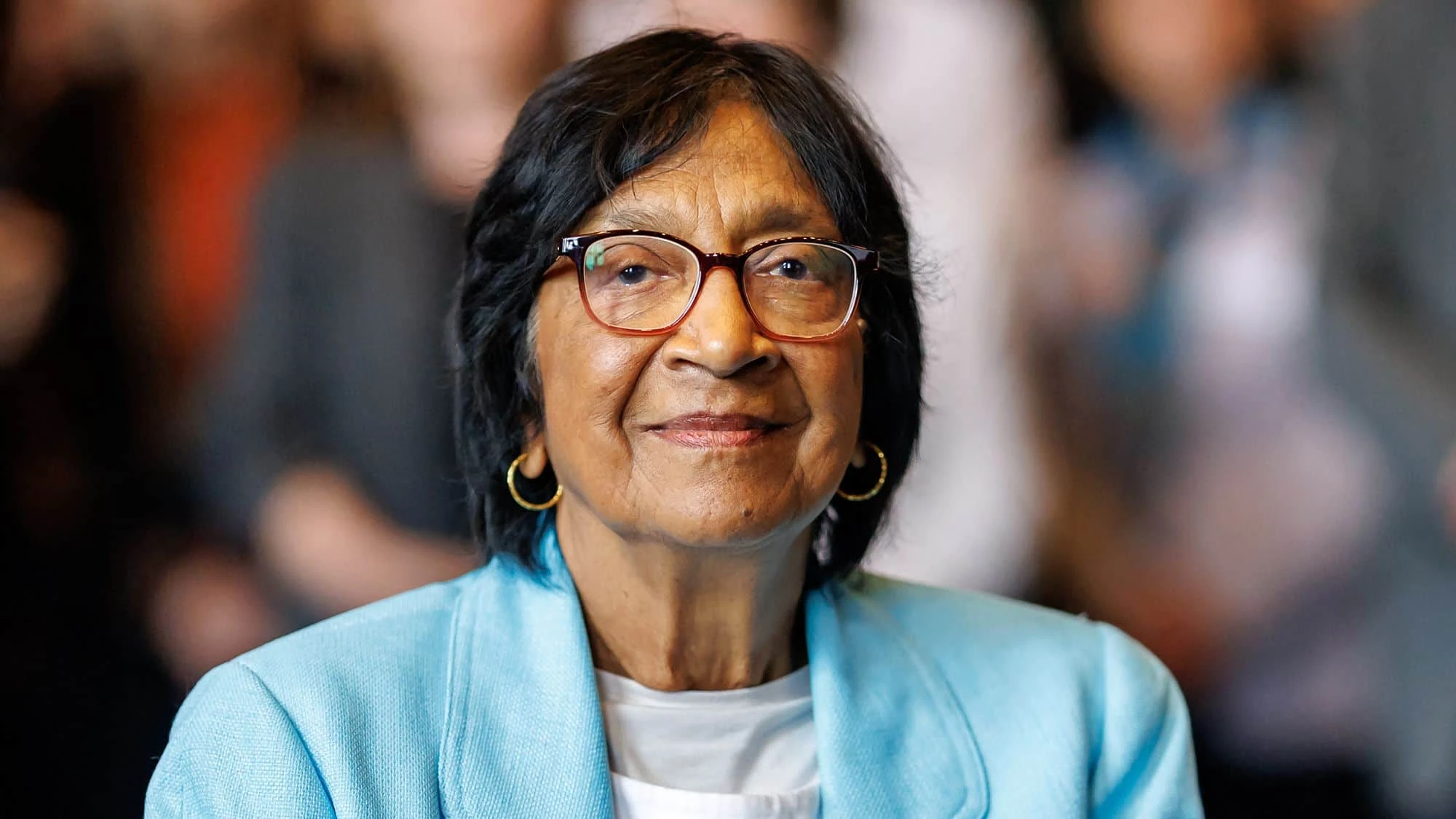
On 9 October 2026, the Norwegian Nobel Committee awarded the Nobel Peace Prize to Navanethem "Navi" Pillay, the South African judge and former UN High Commissioner for Human Rights, for "her efforts to promote peace and international law." Pillay has spent six decades in law. She defended anti-apartheid activists, helped establish that rape can be an act of genocide, served on the International Criminal Court, and led the UN's human rights office.
| Item | Detail |
|---|---|
| Full name | Navanethem Pillay |
| Born | 1941, Durban, South Africa |
| Profession | Lawyer and judge |
| Key roles | Judge and President, International Criminal Tribunal for Rwanda; Judge, International Criminal Court; UN High Commissioner for Human Rights (2008–2014) |
| Nobel Prize | Peace, 2026 |
Pillay grew up in a working-class family of Indian descent in Durban. Under apartheid, opportunities for non-white South Africans were severely restricted. After earning law degrees at the University of Natal, she could not find a firm that would hire her. In 1967 she opened her own practice, becoming the first non-white woman to start a law practice in Natal province.
For nearly three decades she defended anti-apartheid activists and fought for the rights of political prisoners, including the right of prisoners on Robben Island to see lawyers. She later earned a doctorate in law from Harvard Law School.
In 1995, Pillay was elected a judge of the International Criminal Tribunal for Rwanda (ICTR). The UN created the ICTR after the 1994 genocide against the Tutsi. She later served as its president.
She sat on the panel in the 1998 Akayesu case, the first judgment by an international court to:
The ruling changed international criminal law and is still taught in law schools worldwide.
In 2003, Pillay was elected to the first bench of judges at the International Criminal Court (ICC) in The Hague, where she served in the Appeals Division.
From 2008 to 2014, Pillay led the Office of the UN High Commissioner for Human Rights (OHCHR). She was known for speaking out on:
After leaving the UN, Pillay continued to work on accountability. She chaired a UN Commission of Inquiry examining the Israeli-Palestinian conflict, which was created in 2021, until stepping down in 2025.
The prize comes at a time of wars in the Middle East and Ukraine, debate over the authority of international courts, and pressure on the UN system. By honouring Pillay, the committee highlighted:
The choice may also draw criticism from governments that have clashed with UN investigations Pillay was involved in. That reflects how contested international justice remains.
Navi Pillay, a South African jurist and former UN High Commissioner for Human Rights.
Her work at the Rwanda tribunal, including the landmark Akayesu judgment recognising rape as an act of genocide, her service as an ICC judge, and her years leading the UN human rights office.
Yes. She is a South African of Indian (Tamil) descent, born in Durban.
In Oslo, Norway, on 10 December each year. The other Nobel prizes are presented in Stockholm.
Navi Pillay's career runs from apartheid-era courtrooms to the centre of international justice. Her Nobel Peace Prize recognises one person's achievements and also makes the case that law, accountability and human rights are part of building peace.
