•
•
•
•
•
•
•

Comprehensive Knowledge Base & Growth Guide
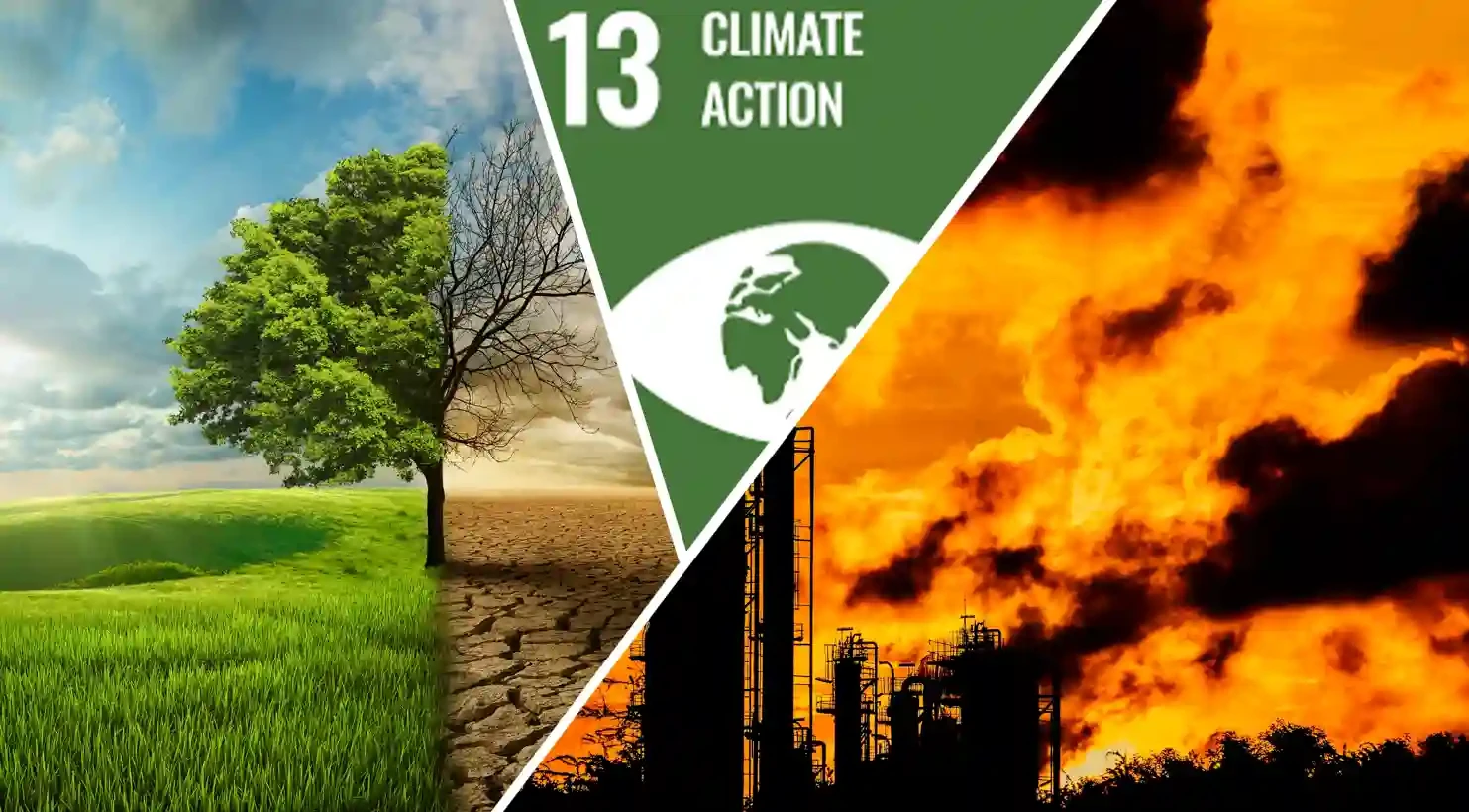
Climate science studies the long-term patterns of temperature, precipitation, and atmospheric conditions that shape Earth's environment, distinct from day-to-day weather.
Certain gases in the atmosphere trap heat from the sun, a natural process essential for keeping Earth habitable. Human activities, particularly burning fossil fuels, have significantly increased concentrations of these gases, amplifying the effect.
Scientists track climate change through multiple independent lines of evidence: rising global temperatures, melting ice sheets, rising sea levels, and shifting species ranges, all consistent with a warming planet.
Researchers use computer models built on physical laws to project future climate scenarios under different emissions pathways, helping policymakers understand potential outcomes of different choices.
Responses to climate change generally fall into two categories: mitigation (reducing emissions to limit future warming) and adaptation (adjusting to changes already underway, such as building resilient infrastructure).
Understanding the basic science behind climate change helps clarify why it remains a central topic in science, policy, and public discussion worldwide.