•
•
•
•
•
•
•

As emissions reduction alone won't prevent further warming, cities are investing in adaptation measures to manage climate risks already underway
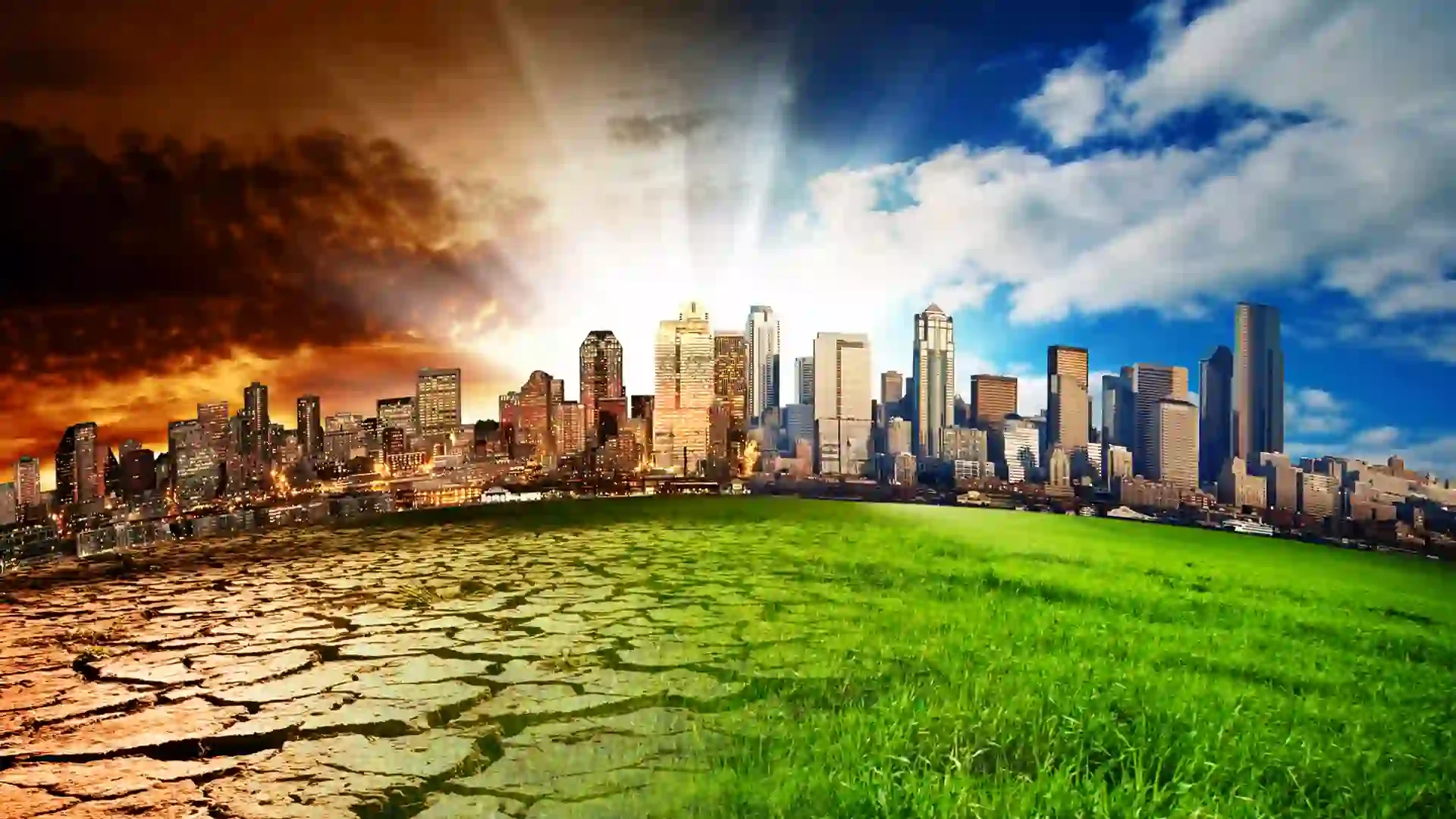
Climate adaptation and climate mitigation are related but distinct concepts. Mitigation refers to efforts that reduce greenhouse gas emissions to limit the extent of future warming, such as transitioning to renewable energy or improving energy efficiency. Adaptation, by contrast, refers to adjustments made to reduce harm from climate impacts that are already happening or are considered locked in based on current emissions levels, such as rising sea levels, more intense heat waves, and shifting rainfall patterns.
Environmental agencies have increasingly emphasized that both approaches are necessary simultaneously, since even aggressive emissions reductions would not immediately reverse warming already underway, making adaptation a practical necessity rather than an alternative to cutting emissions.
Cities and regions around the world have adopted a range of adaptation measures tailored to their specific climate risks:
One of the most persistent challenges in climate adaptation is funding, particularly for lower-income countries that are often most exposed to climate risks but have the fewest resources to invest in protective infrastructure. International climate finance discussions, including those at UN climate conferences, have repeatedly focused on closing this adaptation funding gap, with developing nations arguing that wealthier, historically higher-emitting countries should contribute more toward adaptation costs elsewhere.
| Adaptation Area | Example Measures |
|---|---|
| Flooding | Sea walls, improved drainage, wetland restoration |
| Heat | Tree cover, reflective materials, cooling centers |
| Water scarcity | Reservoirs, recycling systems, drought-resistant infrastructure |
| Planning | Updated building codes and flood-zone mapping |
Environmental scientists have noted that current warming trends mean many climate impacts are no longer fully avoidable even under optimistic emissions scenarios, making adaptation planning an increasingly urgent complement to mitigation efforts. Cities that invest early in adaptation infrastructure are generally better positioned to reduce economic and human costs when extreme weather events occur, compared to those that address risks only after a disaster.
Expect continued international negotiation over adaptation financing, particularly around how funding commitments from wealthier nations translate into actual, deployed infrastructure investment in more vulnerable regions. At the city level, adaptation planning is likely to become a more standard part of urban infrastructure budgeting, rather than a specialized or optional consideration, as climate impacts become more consistently felt.
Is climate adaptation an alternative to reducing emissions?
No. Most climate scientists and policymakers view adaptation and mitigation as complementary, not interchangeable, approaches that need to happen simultaneously.
Which cities are considered leaders in climate adaptation?
Many coastal and flood-prone cities globally have invested heavily in adaptation infrastructure, though leadership varies by the specific climate risk a city faces, whether flooding, heat, or drought.
Who pays for climate adaptation infrastructure?
Funding comes from a mix of national government budgets, municipal spending, and international climate finance mechanisms, though funding gaps remain a significant and widely discussed challenge, especially for developing nations.
Does adaptation only apply to cities?
No. Adaptation strategies also apply to agriculture, rural water systems, coastal communities, and infrastructure broadly, though urban adaptation often receives significant attention due to population density.
Climate adaptation has moved from a secondary consideration to a central part of climate policy discussions, reflecting the reality that some degree of continued climate impact is already locked in. How effectively cities and countries invest in adaptation infrastructure now will significantly shape the human and economic costs of climate change in the coming decades.