•
•
•
•
•
•
•

A practical guide to how sleep works and the evidence-based habits that improve it
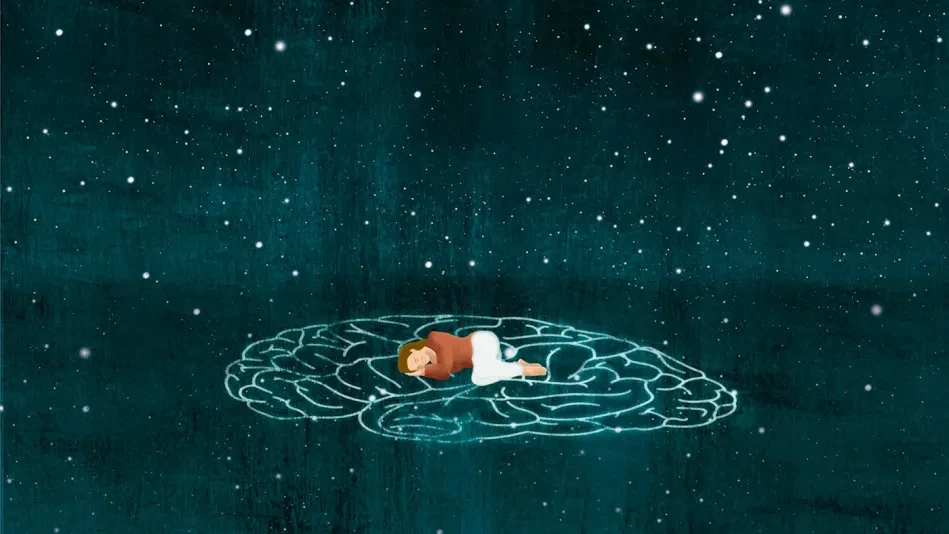
For decades sleep was treated as a passive shutdown of the body. Modern sleep science shows the opposite: sleep is an active, tightly regulated biological process during which the brain consolidates memory, clears metabolic waste, and the body repairs tissue and regulates hormones. Adults who consistently sleep less than the recommended range show measurable effects on attention, mood regulation and long-term health risk, according to national sleep foundations and public health bodies worldwide.
Sleep alternates between two fundamentally different states roughly every 90 minutes:
A typical night contains four to six of these 90-minute cycles, with deep sleep concentrated in the first half of the night and REM sleep lengthening toward morning — which is why cutting a night short disproportionately reduces REM sleep.
Sleep timing is governed by the circadian rhythm, an internal ~24-hour clock centered in a brain region called the suprachiasmatic nucleus. This clock is primarily synchronized by light exposure, especially morning light, which suppresses the sleep hormone melatonin and signals wakefulness. Two systems work together to determine when we feel sleepy: the circadian clock itself, and "sleep pressure," a chemical drive (largely driven by adenosine) that builds the longer a person stays awake.
| Factor | What the Evidence Shows |
|---|---|
| Recommended adult sleep | 7–9 hours per night for most adults |
| Deep sleep | Concentrated in the first half of the night |
| REM sleep | Lengthens toward the early morning hours |
| Blue light | Can delay melatonin release and shift the body clock later |
| Consistency | Regular sleep/wake times matter as much as total duration |
Chronic short sleep has been associated in population studies with impaired concentration, slower reaction times, mood disturbance and greater long-term cardiometabolic risk. Because sleep supports memory consolidation, students and professionals who sleep well after learning new material tend to retain it better than those who do not, a finding replicated across memory research.
Can you "catch up" on lost sleep over a weekend?
Partially. Extra sleep can reduce some accumulated sleep pressure, but research suggests it does not fully reverse the cognitive effects of a week of insufficient sleep.
Is napping bad for nighttime sleep?
Short naps (20–30 minutes) taken earlier in the day generally do not disrupt nighttime sleep for most people, but long or late-afternoon naps can reduce sleep pressure needed to fall asleep at night.
Does everyone need eight hours?
Individual need varies, generally within the 7–9 hour range for adults, though a small percentage of people function well on genuinely less due to rare genetic variants — most people who believe they are an exception are not.
Sleep is an active, structured biological process shaped by the interaction of circadian timing and sleep pressure. Understanding how sleep cycles and light exposure work makes it easier to build habits — consistent timing, morning light, and a calm wind-down — that support the deep and REM sleep the body and brain depend on.
This article provides general information and is not a substitute for professional medical advice. Readers with persistent sleep problems should consult a qualified healthcare provider.