•
•
•
•
•
•
•

Mobile-first, vertical video formats are changing how stories are produced, distributed, and monetized
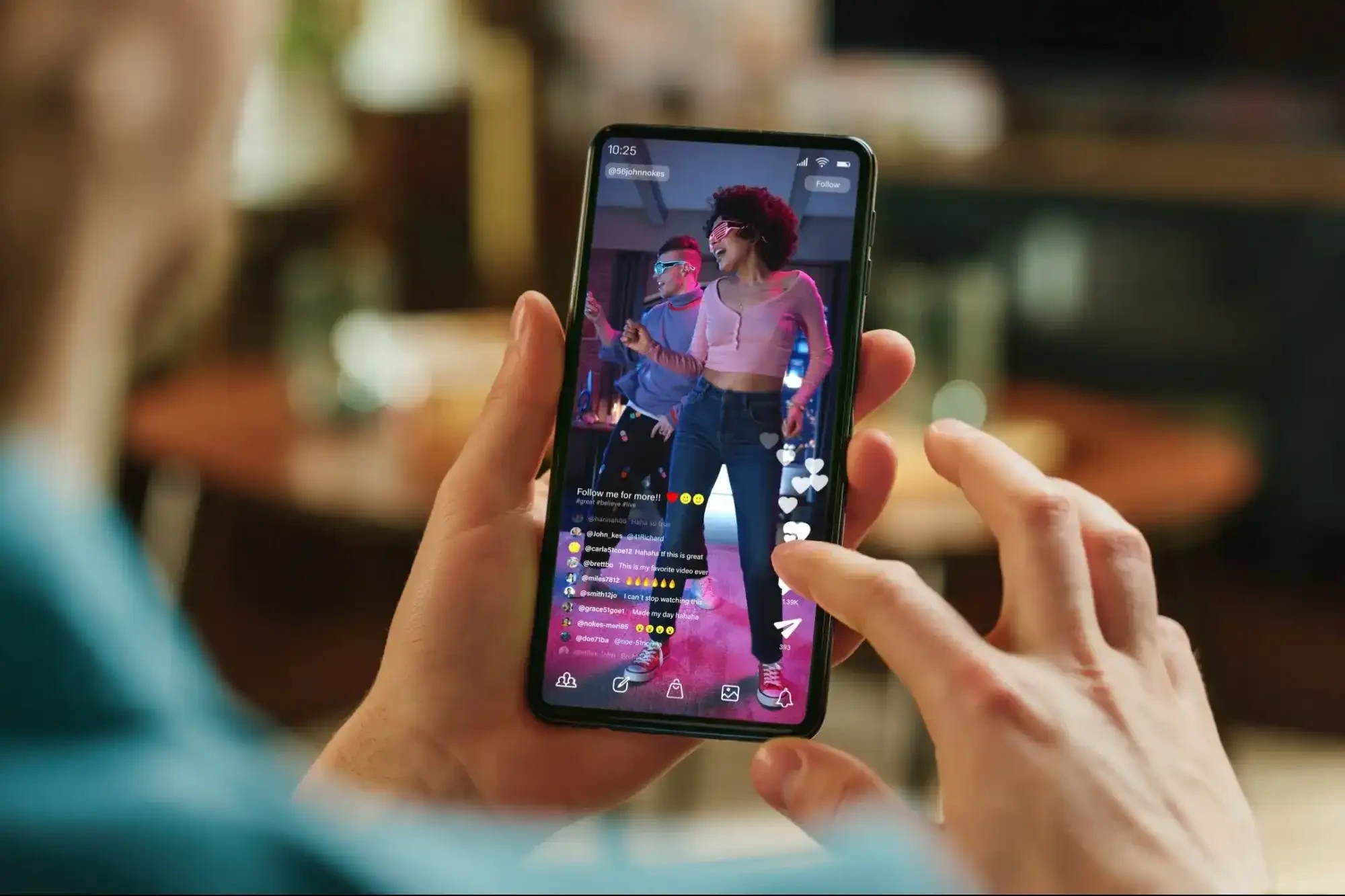
Vertical streaming refers to serialized video content produced and formatted specifically for full-screen viewing on a phone held upright, rather than the traditional horizontal, widescreen format used in film and television. Episodes are typically very short, often just one to a few minutes long, and are released in rapid succession, sometimes with dozens of episodes available within the first days of a series launching.
The format grew out of short-form social video habits, particularly on platforms built around vertical scrolling feeds, and has since developed into its own production category with dedicated studios, writers, and platforms built specifically around vertical-format storytelling.
Traditional film and television studios have taken notice of vertical streaming's ability to produce content quickly and cheaply relative to conventional television production, while still building loyal, binge-watching audiences. The short episode format also aligns naturally with mobile viewing habits, capturing attention during brief moments throughout the day rather than requiring a dedicated viewing session.
Monetization models vary, with some platforms using episode-unlock purchases, subscriptions, or advertising, similar to models already established in mobile gaming and short-form social apps.
Vertical formats favor fast-paced plots with frequent cliffhangers, since each short episode needs to justify why a viewer should continue to the next one almost immediately. This has led to distinctive pacing and structural choices compared to traditional television writing, with less room for slow character development and more emphasis on immediate narrative hooks.
| Factor | Vertical Streaming | Traditional Television |
|---|---|---|
| Episode length | 1–5 minutes typically | 20–60 minutes |
| Production cost | Generally lower | Generally higher |
| Viewing format | Full-screen vertical, mobile-first | Widescreen, TV or desktop |
| Pacing | Fast, frequent cliffhangers | Varies, often slower character development |
| Distribution | Dedicated apps and social platforms | Broadcast, cable, and traditional streaming services |
Expect continued experimentation from traditional studios entering the vertical format, alongside dedicated vertical-streaming platforms expanding their content libraries and international offerings. Whether vertical streaming remains a distinct niche or increasingly influences mainstream television and film production techniques is likely to become clearer as more data on audience retention and monetization accumulates.
Is vertical streaming the same as short-form content on social media?
It is closely related but distinct. Vertical streaming typically involves serialized, scripted storytelling released as an ongoing series, while general short-form social content is often standalone and not necessarily narrative-driven.
Who is the primary audience for vertical streaming?
Mobile-first viewers, often skewing younger, are the primary audience so far, though platforms are increasingly targeting broader demographics as the format matures.
Do vertical series have the same production quality as traditional television?
Production budgets and quality vary widely, with some vertical series produced very quickly and cheaply, while others involve more polished production values as the format attracts more established studios.
How do creators make money from vertical streaming?
Common models include episode-unlock purchases, subscriptions, and advertising, often similar to monetization approaches used in mobile gaming and short-form social apps.
Vertical streaming has evolved from a social media curiosity into a legitimate production format reshaping how some stories are told and consumed. Its long-term influence on mainstream film and television will likely depend on how successfully the fast-paced, mobile-first approach can coexist with more traditional storytelling models.