•
•
•
•
•
•
•

A look at how AI-powered tutoring tools are being used in classrooms and what research says about their effectiveness
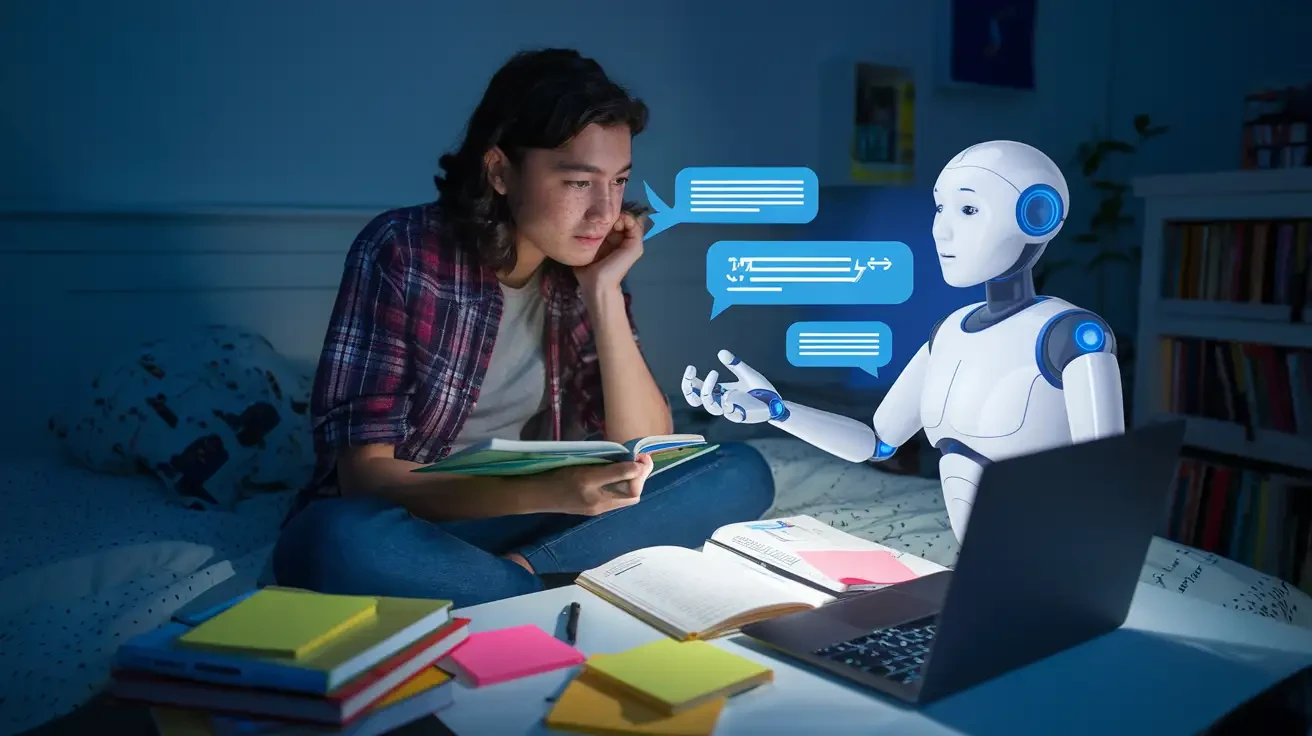
AI tutoring tools generally use adaptive algorithms to adjust the difficulty and type of practice questions a student receives based on their ongoing performance, aiming to keep a learner appropriately challenged rather than bored or overwhelmed. Many systems combine this adaptive practice with conversational AI features that let students ask questions and receive explanations in natural language, functioning somewhat like an always-available practice partner alongside classroom instruction.
These tools are typically deployed as a supplement to, rather than a replacement for, classroom teaching, often used for homework support, exam preparation, or additional practice in specific skill areas such as math computation or language vocabulary.
Research on AI-assisted and earlier computer-based adaptive learning systems has generally found the clearest benefits in well-structured subjects with clear right and wrong answers, such as math practice, language vocabulary and grammar drills, and coding exercises. In these areas, adaptive systems can provide immediate feedback and adjust difficulty in ways that are difficult for a single teacher to replicate across an entire classroom of students with varying skill levels.
Education researchers have raised several caveats about over-relying on AI tutoring tools. For subjects requiring open-ended reasoning, nuanced writing feedback, or classroom discussion and debate, the evidence for AI tools fully replacing human instruction is much weaker. There are also concerns about students using AI tools to bypass genuine learning, such as generating answers rather than working through problems, and questions about whether skills built through AI-assisted practice transfer well to unassisted, real-world problem solving. Social and emotional aspects of learning, including collaboration and the mentorship relationship between a student and teacher, are also difficult for current AI tools to replicate.
| Factor | AI Tutoring | Human Tutoring |
|---|---|---|
| Availability | On-demand, any time | Limited to tutor's schedule |
| Cost | Generally lower per hour of use | Generally higher |
| Best suited for | Structured, practice-based subjects | Open-ended reasoning, writing, mentorship |
| Personalization | Adaptive to performance data | Adaptive to broader context and relationship |
Expect continued research aimed at identifying which specific instructional approaches and subject areas benefit most from AI-assisted tutoring, alongside growing efforts by schools to establish clear guidelines for appropriate use that support, rather than replace, genuine learning. Vendors are likely to continue expanding features aimed at reasoning and writing support, though rigorous evidence for these more open-ended use cases will likely take longer to establish than for structured practice subjects.
Can AI tutors replace human teachers?
Most current evidence and educator guidance treats AI tutors as a supplement to classroom instruction, not a replacement, particularly for subjects requiring open-ended reasoning, mentorship, or social learning.
Which subjects show the best results with AI tutoring?
Structured, practice-based subjects with clear right and wrong answers, such as math and language learning, currently show the clearest evidence of benefit.
Do AI tutors help all students equally?
Effectiveness can vary based on a student's existing skill level, motivation, and how the tool is integrated into their overall learning, rather than being uniformly beneficial.
Is there a risk that AI tutors encourage cheating rather than learning?
Yes, this is a recognized concern. Tools that simply provide answers rather than guiding a student through the reasoning process can undermine genuine skill development if not designed and used carefully.
AI tutoring tools show real promise, particularly for structured practice subjects, but current evidence does not support treating them as a full substitute for human instruction. Schools and learners are likely to see the best results by using AI tutors as a targeted supplement rather than the primary mode of instruction.