•
•
•
•
•
•
•

Is development a human right? The UN said yes in 1986. Four decades later, the debate over what that means is sharper than ever.
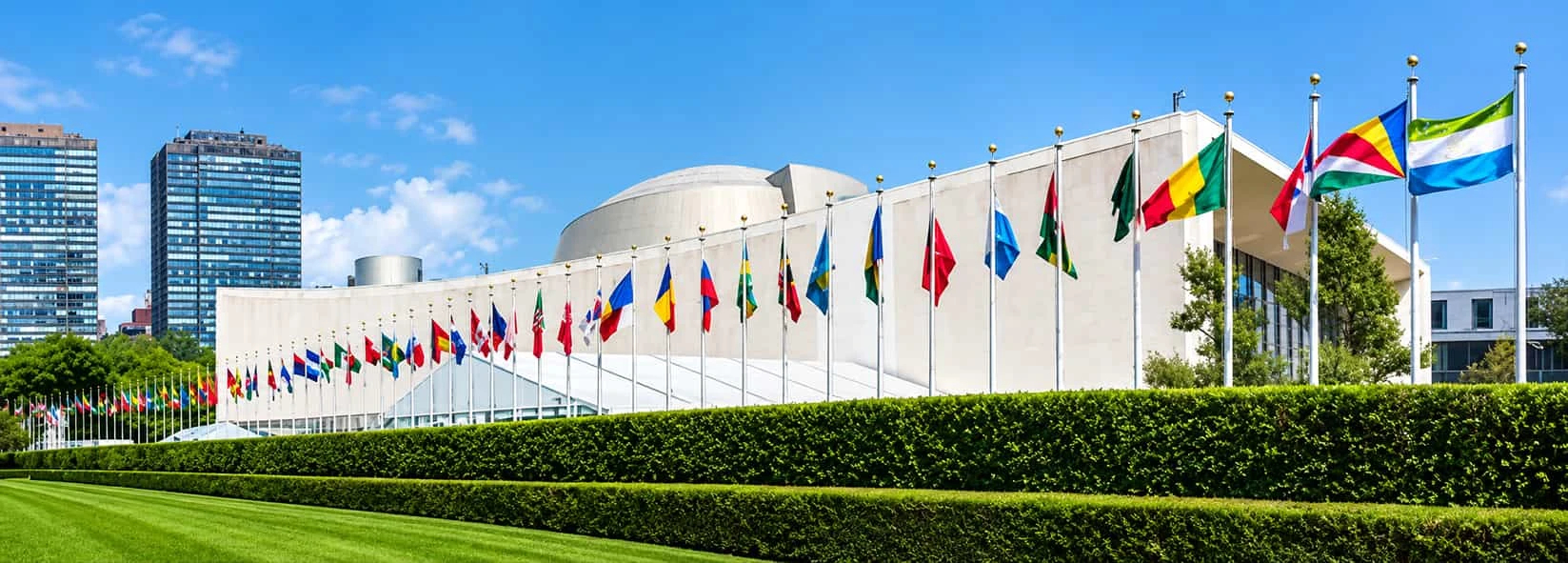
In December 1986, the UN General Assembly adopted a short but ambitious document: the Declaration on the Right to Development. It declared development to be an inalienable human right — not merely a policy goal.
On 23 September 2026, the UN held a high-level meeting to mark the Declaration's 40th anniversary. Here is what it says, why it matters and why it remains contested.
Article 1 of the Declaration states that the right to development is "an inalienable human right by virtue of which every human person and all peoples are entitled to participate in, contribute to, and enjoy economic, social, cultural and political development, in which all human rights and fundamental freedoms can be fully realized."
In simple terms: people have the right not just to benefit from development, but to take part in shaping it.
The 1993 Vienna Declaration and Programme of Action later reaffirmed the right to development as universal and inalienable, and as an integral part of fundamental human rights — this time by consensus.
For the Global South, the right to development:
The Non-Aligned Movement has long been one of its strongest advocates.
Critics raise concerns that:
A UN Working Group on the Right to Development has worked for years on a draft convention that would turn the right into a legally binding treaty. Supporters say this would give the right real force; opponents question whether a treaty is appropriate. The draft has been forwarded for further consideration within the UN system, and negotiations remain contested.
India has consistently supported the right to development, emphasising equity, common but differentiated responsibilities in climate action and reform of global financial institutions. The idea resonates with principles in the Directive Principles of State Policy in India's Constitution, which direct the state to promote welfare and reduce inequality.
The 1986 Declaration is not a binding treaty, though it carries political and moral weight. A binding convention has been proposed.
States have primary responsibility at home, while the Declaration also calls for international cooperation.
The right to an adequate standard of living focuses on outcomes like food and housing; the right to development focuses on the process of development and participation in it.
Yes. It features in international relations and human rights sections of UPSC and other competitive exams.
Forty years on, the Right to Development remains both an inspiration and a point of friction. As the world debates climate finance, debt and technology, its central question — who gets to shape development, and who benefits — is more relevant than ever.
Sources: UN Declaration on the Right to Development (A/RES/41/128); Vienna Declaration and Programme of Action (1993); UN General Assembly High-Level Week 2026 programme.